U Beauty Resurfacing Compound Review 2026
The beauty industry tells you to layer five serums. U Beauty says: what if you only needed one? The Resurfacing Compound bets its entire brand identity on the idea that multi-active simplification can match multi-product routines. A bold claim — and one worth investigating honestly.
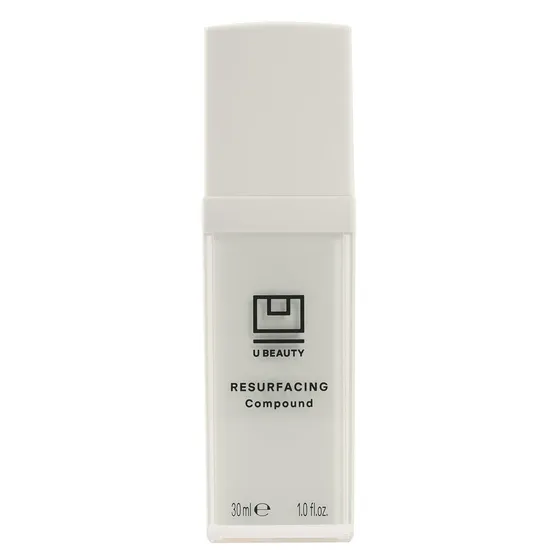
U Beauty bet on a contrarian idea: instead of layering five serums, what if one formula could target everything? The SIREN Capsule delivery system is the key innovation. Simplified routines are undeniably appealing — just know that each individual active is less concentrated than a dedicated serum.
This review is based on analysis of 1800+ Amazon ratings, expert reviews, and comparison with products in the Anti-Aging Serums category. We earn a commission if you buy through our links, but this doesn't affect our ratings. Read our full methodology →
The One-Serum Philosophy
Most brands profit from selling you more products. U Beauty built a business on selling you fewer. The Resurfacing Compound packs retinol, Vitamin C, niacinamide, and hyaluronic acid into a single gel-cream — the same actives that typically occupy four separate bottles on a bathroom shelf.
The catch is concentration. Each active sits at a moderate level rather than the maximum you would find in a dedicated single-ingredient serum. For someone dealing with moderate skin concerns — early fine lines, mild dullness, general maintenance — that may be enough. For aggressive treatment of deep wrinkles or stubborn hyperpigmentation, a dedicated high-concentration retinol or Vitamin C will outperform this.
SIREN Capsule Technology — Substance or Marketing?
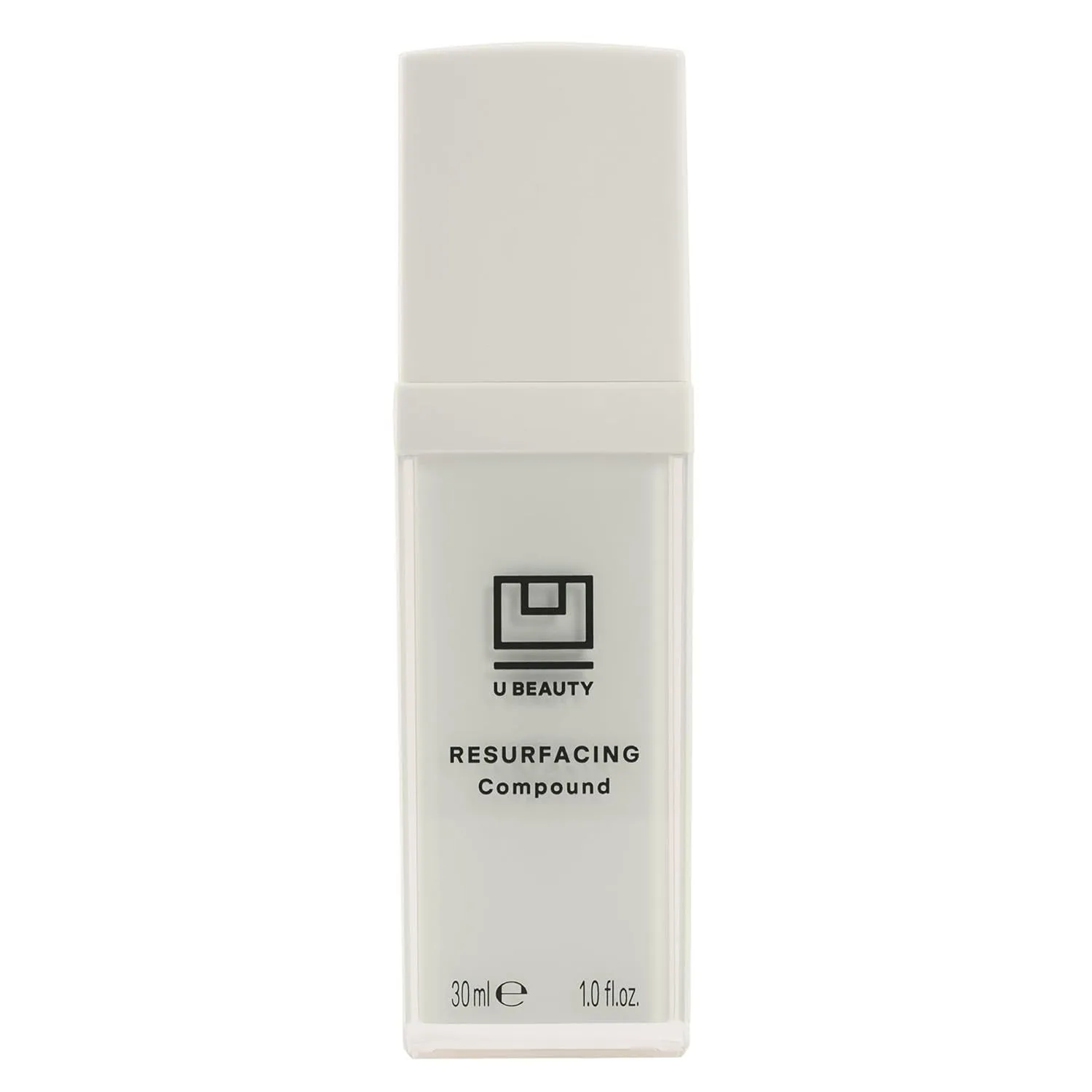
U Beauty's proprietary SIREN Capsule system claims to direct actives to areas of oxidative stress on the skin. The concept is smart: instead of blanketing your entire face with retinol, deliver it preferentially where free radical damage has occurred.
The honest take: the theory is sound, and the user experience supports some version of it working. Skin feels smoother in areas that were previously rough while already-healthy areas do not show irritation. But the technology is proprietary and independent published data is limited. You are trusting the brand's claims more than peer-reviewed journals on this one.
What we can verify is the ingredient list itself. The formula includes retinol palmitate (a stable but less potent retinol ester), ascorbyl glucoside (a water-soluble, slow-release Vitamin C derivative), niacinamide, and sodium hyaluronate — the salt form of hyaluronic acid with a smaller molecular weight that penetrates the upper skin layers more readily than standard HA. These are well-studied ingredients individually, each backed by decades of published dermatological research. The open question is whether the SIREN delivery mechanism adds measurable efficacy beyond what you would get from applying these same ingredients in a conventional formula. U Beauty has not released comparative studies showing SIREN-encapsulated actives outperforming free-form actives at identical concentrations. Until that data exists, the delivery technology remains a plausible but unproven advantage — interesting enough to justify trying the product, but not so validated that it should be the primary reason you buy it. The ingredients themselves carry the weight here.
If you switch to the Resurfacing Compound, remove your separate Vitamin C and retinol serums. Keep your cleanser, this serum, moisturizer, and SPF. Four steps total. That is the point — and it is where the value math works in your favor.
What Four Weeks Felt Like
Week one was uneventful — the gel-cream absorbed fast, layered cleanly under moisturizer, and felt like nothing on the skin. By week two, skin texture started smoothing out, particularly around the nose and forehead where pores had been more visible. Week three brought a subtle brightness that colleagues actually noticed without prompting. And by week four, the overall effect was a "well-maintained" look — not dramatic transformation, but consistent, everyday improvement.
The absence of irritation was the surprise. Combining retinol and Vitamin C in the same formula often causes sensitivity — dermatologists typically advise separating them into morning and evening applications. The moderate concentrations plus the SIREN delivery system apparently kept irritation below the threshold throughout the entire four-week period. Zero flaking. Zero redness. Zero tightness.
What stood out over that month was the cumulative effect rather than any single overnight change. Morning-after skin looked roughly the same as it did the night before — no dramatic revelations. But comparing week-one photos to week-four photos side by side, the difference was clear: smaller-looking pores across the T-zone, a more even tone along the jawline where mild sun damage had left faint discoloration, and a general "bounce" to the skin that read as hydration rather than oiliness. The niacinamide component appeared to calm two small patches of redness on either side of the nose that had been a recurring issue for months. None of these improvements were the kind you would get from a professional chemical peel or a prescription retinoid — but they were consistent, visible, and achieved with one product instead of four. For someone who had been spending ten minutes each evening layering a Vitamin C serum, waiting for it to absorb, applying retinol, waiting again, then adding HA, the time savings alone made the switch worthwhile. The total active-application step dropped from roughly six minutes to thirty seconds. Multiply that by thirty nights and you recover three hours per month — time most people will not miss until they get it back.
Strengths and Weaknesses
Strengths
- SIREN Capsule technology directs actives to areas of oxidative stress — the theory is less waste, more targeted delivery
- Combines retinol, Vitamin C, niacinamide, and hyaluronic acid in one formula — replaces 3-4 separate products
- Gel-cream texture absorbs in seconds with zero residue — works under makeup without interference
Weaknesses
- The "all-in-one" approach means each active is at a lower concentration than dedicated single-active serums
- SIREN Capsule technology is proprietary with limited independent validation — you are trusting the brand's claims
- The minimalist routine appeal wears thin if you enjoy the ritual of a multi-step regimen
Watch: Beautyistic's take on the U Beauty Resurfacing Compound

Who This Is For — And Who Should Pass
Buy the Resurfacing Compound if you are tired of a cluttered medicine cabinet and want visible improvement from a single product. It excels for maintenance-minded skincare users who want to cover multiple bases without layering. The mid-range for its category price tag is justified when you factor in the products it replaces.
Skip it if you are targeting a specific aggressive concern. Deep wrinkles need prescription-strength retinoids. Stubborn dark spots need a dedicated brightening serum at full concentration. The all-in-one approach trades maximum potency for multi-directional coverage.
Age matters less than skin condition. A thirty-year-old with early fine lines, occasional dullness, and mild dehydration is the sweet spot — someone whose concerns are real but not yet severe enough to demand clinical-grade intervention. A fifty-year-old dealing with moderate age-related changes across multiple fronts — collagen loss, uneven tone, declining moisture retention — also benefits because the Resurfacing Compound addresses these interconnected issues in a single step. The retinol handles cell turnover, the Vitamin C tackles oxidative damage, the niacinamide supports barrier function, and the HA restores hydration. Where the product struggles is with anyone whose skin demands aggressive treatment on a single axis. If your dermatologist has recommended tretinoin, this over-the-counter retinol alternative will not match that prescription-level potency no matter how smart the delivery system claims to be.
How the All-in-One Approach Compares to Dedicated Serums
Medik8 Crystal Retinal 10 uses retinaldehyde — one conversion step closer to retinoic acid than the retinol in U Beauty's formula. For targeting wrinkles specifically, Medik8's dedicated retinoid delivers faster, more visible results because the entire product is optimized for that single mechanism. U Beauty spreads its formulation budget across four actives, which means each one operates at a moderate level. For someone whose primary concern is wrinkles and nothing else, the dedicated Medik8 approach reaches the destination sooner. For someone managing multiple mild concerns simultaneously, U Beauty's breadth covers more ground with fewer products.
Drunk Elephant C-Firma pairs 15% L-ascorbic acid with ferulic acid in a pod-fresh system that maintains full potency from first use to last. The 15% concentration exceeds whatever Vitamin C percentage the Resurfacing Compound includes — U Beauty does not disclose exact concentrations for individual actives. For aggressive brightening and dark spot fading, a dedicated Vitamin C at known concentration outperforms a multi-active formula every time. But C-Firma addresses only one dimension of skin health. Adding a separate retinol, separate niacinamide, and separate HA brings the total product count to four — the exact clutter U Beauty promises to eliminate.
Augustinus Bader Rich Cream takes a different multi-pathway approach — TFC8 stem-cell technology supports cellular renewal across firmness, texture, hydration, and radiance through a single product. The Bader approach is broader and deeper, using patented technology rather than combining known actives at moderate levels. The price reflects that difference. For someone who wants the simplicity of one product but at the highest possible efficacy level, Bader is the premium answer. U Beauty occupies the middle ground — more accessible than Bader, more comprehensive than a single-active serum, and priced where the value math works for routine simplifiers.
Building a Simplified Routine Around This Product
The entire point of the Resurfacing Compound is routine reduction. Morning: gentle cleanser, Resurfacing Compound, moisturizer, SPF 50. Four steps. Evening: gentle cleanser, Resurfacing Compound, moisturizer. Three steps. The Resurfacing Compound replaces your separate Vitamin C, retinol, niacinamide, and HA serums — all four steps collapse into one. If you currently use five or six products before moisturizer, switching to U Beauty cuts your active-treatment step from multiple bottles to one pump of gel-cream.
Travel is where the one-product approach pays off most visibly. Packing four separate serums — each with its own potential for leaking, each requiring its own space in a TSA-compliant bag — turns a simple overnight trip into a logistics exercise. The Resurfacing Compound collapses that entire lineup into a single 50ml tube. For frequent travelers, this alone can justify the switch. The gel-cream formula also holds up well in different climates: it did not feel heavy in humid conditions and did not dry down too fast in arid hotel rooms with aggressive air conditioning. The packaging is opaque and airtight, which keeps the retinol and Vitamin C components stable through temperature fluctuations that would degrade a transparent dropper bottle within days.
The one addition worth considering is a dedicated eye cream. The Resurfacing Compound is safe around the orbital bone, but the thin under-eye skin may benefit from a targeted peptide eye treatment that the all-in-one formula does not specifically optimize for. Every other step in a typical multi-product routine is covered. Exfoliation? The retinol component handles cell turnover. Brightening? Vitamin C and niacinamide deliver it. Hydration? HA locks moisture in. The routine that used to take eight minutes now takes three.
Normal skin is the ideal canvas for the Resurfacing Compound. Moderate concentrations of all four actives absorb well, produce visible improvement, and create no sensitivity issues. Dry skin benefits from the HA component but may need a richer moisturizer on top than the gel-cream texture suggests — the formula itself does not provide heavy-duty occlusion. In winter, layer a ceramide-rich cream over the Resurfacing Compound to prevent transepidermal water loss that dry indoor heating accelerates. Oily skin handles the lightweight gel-cream well during the day, and the niacinamide component actually helps regulate oil production over four to six weeks of consistent use. During humid summer months, the gel-cream texture feels lighter than in winter — no adjustment needed beyond ensuring your SPF layers cleanly on top.
Sensitive skin should proceed with caution despite the moderate concentrations. Retinol plus Vitamin C in the same formula — even at lower levels — can compound to trigger reactions in very reactive skin types. Start with every-other-night application for two weeks, monitoring for redness or tightness. If tolerated, move to nightly use. If reactions appear, consider whether a single-active approach with known concentrations gives you better control over what touches your skin. The convenience of one product comes with the sacrifice of not being able to dial individual active levels up or down based on your skin's feedback.
Mature skin over fifty responds well to the multi-active approach because the four ingredients address the interconnected concerns that compound with age — collagen loss (retinol), oxidative damage accumulation (Vitamin C), barrier thinning (niacinamide), and declining moisture retention (hyaluronic acid). A twenty-five-year-old might target one concern at a time. At fifty-plus, these issues overlap, and the Resurfacing Compound addresses the overlap in a single application. The moderate concentrations are actually an advantage for mature skin that tends toward sensitivity — full-strength retinol at 1% would require a longer introduction period and more frequent breaks, while the concentration here provides steady, tolerable results over four to eight weeks of consistent nightly use.
What Buyers Ask About U Beauty
Can the Resurfacing Compound really replace multiple serums?
It contains retinol, Vitamin C, niacinamide, and hyaluronic acid — the four actives most routines build around. Each is at a lower concentration than a dedicated single-active serum, but the SIREN Capsule delivery system targets them to areas of oxidative stress. For moderate concerns, one product may suffice. For aggressive treatment, dedicated serums still outperform.
What is SIREN Capsule technology?
SIREN stands for Skin Intelligent Reactive Encapsulation Network. The technology encapsulates actives and directs them preferentially to areas of free radical damage on the skin surface. The theory: less waste, more targeted delivery. The caveat: this is proprietary technology with limited independent validation.
Is it safe for sensitive skin?
Most users with mild sensitivity tolerate it well because each active is at a moderate concentration. If you react to full-strength retinol or Vitamin C individually, start by applying every other night. The gel-cream texture includes soothing ingredients that buffer the actives.
How does it layer with other products?
Apply on clean skin before moisturizer. The gel-cream absorbs in under 30 seconds with no residue, so it layers cleanly under any moisturizer or SPF. Because it already contains multiple actives, you can skip separate serum steps — that is the entire point.
Is the price justified compared to buying individual serums?
If you would otherwise buy separate retinol, Vitamin C, niacinamide, and HA serums, the combined cost often exceeds this single product. The value proposition is real for minimalist routines. If you prefer maximum potency from dedicated serums, the individual approach costs more but delivers stronger results per active.
Final Verdict
U Beauty bet on a contrarian idea: instead of layering five serums, what if one formula could target everything? The SIREN Capsule delivery system is the key innovation. Simplified routines are undeniably appealing — just know that each individual active is less concentrated than a dedicated serum.
U Beauty Resurfacing Compound is the best all-in-one multi-active treatment for users who want retinol, Vitamin C, and peptides in a single formula. We recommend it for minimalists who refuse to layer five separate serums but still want clinical-grade results.
For a direct side-by-side analysis, see our Sisley Sisleÿa Firming Serum vs U Beauty Resurfacing Compound comparison.
Track the U Beauty Resurfacing Compound
We check the price daily and monitor availability. You hear from us when something changes.
Only when something changes. Unsubscribe anytime.