The Ordinary Hyaluronic Acid 2% + B5 Review 2026
Under ten dollars. Five forms of hyaluronic acid. Over 95,000 reviews. The Ordinary turned the hydration game upside down — and the skincare industry still has not recovered.
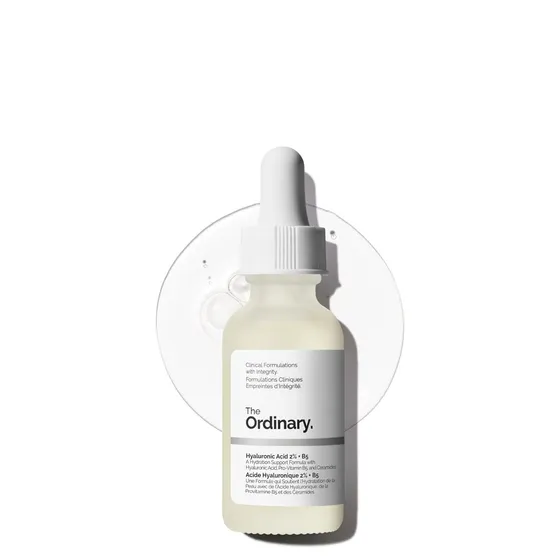
The Ordinary proved that effective hyaluronic acid does not require a luxury markup. Five HA weights at this price is almost absurd value. Apply to damp skin, use a modest amount, and let it sink in before your next step — the stickiness complaints disappear with proper technique.
This review is based on analysis of 95000+ Amazon ratings, expert reviews, and comparison with products in the Hydrating Serums category. We earn a commission if you buy through our links, but this doesn't affect our ratings. Read our full methodology →
What You Get for Less Than a Lunch
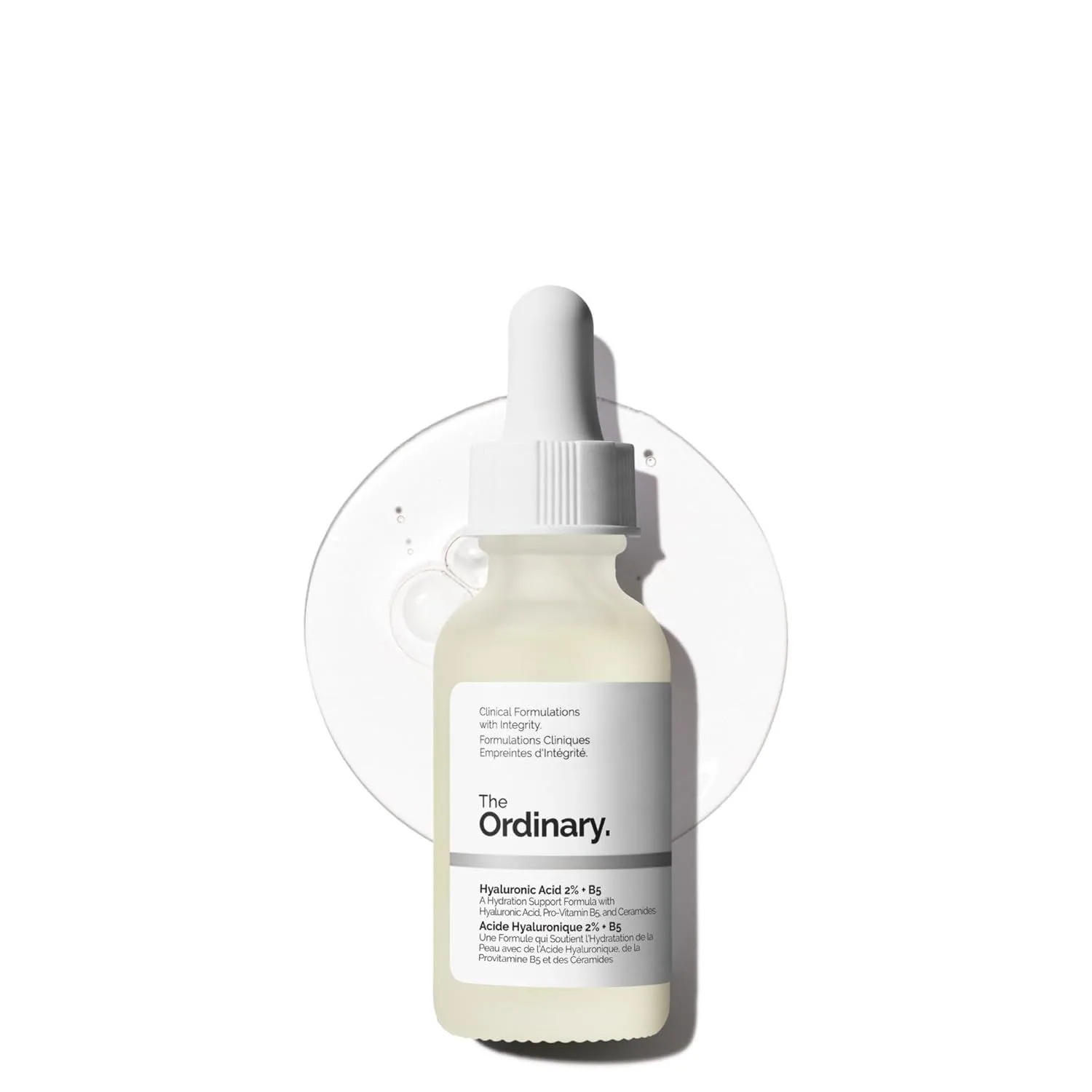
Five molecular weights of hyaluronic acid. Ceramide NP for barrier support. Pro-Vitamin B5 for skin conditioning. That ingredient list competes with serums priced five to ten times higher. The Ordinary stripped away the packaging, the marketing budget, and the brand mystique — and passed the savings through.
It works. Apply to damp skin, and within 30 seconds you feel the plumping effect. By morning, skin looks hydrated and noticeably smooth. After two weeks of consistent use, the difference in skin texture is visible without a magnifying mirror.
The five-weight architecture is the technical differentiator that makes this formula punch above its price tier. High-molecular-weight HA stays on the skin surface, forming a moisture-retaining film that plumps and smooths almost immediately. Medium-weight molecules penetrate to the mid-layers of the epidermis, hydrating tissue that surface-only formulas never reach. Low-molecular-weight HA pushes deeper still, targeting the dermal-epidermal junction where hydration loss accelerates visible aging. The cross-linked form acts as a time-release mechanism — it breaks down slowly over eight to twelve hours, releasing HA gradually rather than delivering everything at once and fading by afternoon. And the HA precursor is the most interesting inclusion: rather than adding external HA, it signals fibroblasts in the dermis to ramp up endogenous HA production. Most serums in this price range use one, maybe two molecular weights. The Ordinary packs five into a sub-ten-dollar bottle, which is why this formula outperforms products that cost six or seven times more on pure hydration depth alone.
HA pulls moisture from its environment. On damp skin, it pulls water into the skin. On bone-dry skin in a dry room, it can pull moisture out of your skin instead. Always apply within 30 seconds of cleansing, while skin is still damp. This single technique fixes 90% of the complaints about HA serums.
The Stickiness Problem (And the Fix)
The number one complaint across those 95,000 reviews: it feels sticky. Fair. The viscous gel texture grabs if you apply too much or apply to dry skin. But the fix is simple — one thin layer on damp skin, let it absorb for 30 seconds, then apply your next step. The stickiness vanishes. This is a technique issue, not a formula flaw.
Texture aside, the formula has a second quirk that catches first-time users off guard: it pills under certain products. Pilling happens when the water-based HA gel meets silicone-heavy formulas — foundations, primers, even some sunscreens with dimethicone high on the ingredient list. The gel and the silicone refuse to blend, so they roll into tiny balls on the skin surface. Two fixes exist. First, wait a full sixty seconds after HA application before layering anything on top — the extra drying time lets the gel fully absorb rather than sitting as a wet film. Second, check For those whor moisturizer or sunscreen is water-based or silicone-based. Water-based products layer over this serum without friction. Silicone-based products fight it. Switching your moisturizer solves the pilling permanently. This compatibility issue is not unique to The Ordinary — any water-based HA serum will pill under heavy silicones. But because this product has the highest review volume of any HA serum on Amazon, the pilling complaints are more visible than they are for smaller brands with the same limitation.
For a direct side-by-side analysis, see our DIME Beauty HA Serum vs The Ordinary HA 2% + B5 comparison.
Where It Goes in Your Routine
After cleansing, before everything else. HA is a hydration base — it creates the damp, plumped canvas that treatment serums absorb into more evenly. If you use Vitamin C in the morning, this goes underneath. If you use retinol at night, same thing. The order matters because HA is a water-binding humectant, not an active treatment. It pulls moisture in. The products layered after it deliver the actual ingredients.
One practical catch: it pairs poorly with heavy silicone-based primers and some silicone-heavy moisturizers. The water-based gel sits awkwardly under silicones, causing pilling — tiny rolls of product on the skin surface. If that happens, switch to a water-based moisturizer on top, or wait a full 60 seconds instead of 30 before layering.
After Three Months of Daily Use
The first two weeks produce the most visible change — skin goes from dull and tight to plump and smooth. After that, results settle into maintenance mode. Texture improvement stays consistent. Skin holds moisture longer between applications. Fine dehydration lines around the eyes and mouth stay softer through the day.
The Ceramide NP is the quiet workhorse here. Most HA serums at this price skip barrier-support ingredients entirely. After three months of daily ceramide exposure, the cumulative barrier strengthening shows up as skin that recovers faster from irritation — less reactive to new products, less sensitive to wind and dry indoor heating. A benefit the ingredient list promises but the marketing never actually mentions.
One pattern shows up repeatedly in long-term user reports across Amazon and skincare forums: the results plateau around week six, then quietly improve again around month three. The early plateau discourages some users into switching products — a mistake. What happens in that second phase is the HA precursor's cumulative effect kicking in. Your skin's own HA production takes weeks of consistent signaling to upregulate, and the results are subtle at first. By month three, the skin holds moisture between applications noticeably longer than it did during the first week. Morning dryness decreases. The tight, parched feeling after cleansing softens because the skin's natural moisture reservoir is fuller. This long-game benefit is invisible in short-term trials and missing from most reviews, but it is the strongest argument for sticking with this formula through the initial plateau instead of chasing a different serum every few weeks.
Strengths and Weaknesses
Strengths
- Five molecular weights of hyaluronic acid hydrate from skin surface down to deeper layers — not just surface plumping
- Under $10 for a formula that competes with serums 5-10x the price on ingredient quality
- Ceramide NP inclusion strengthens the moisture barrier — unusual at this price point
Weaknesses
- The viscous gel texture can feel sticky if applied too generously or on humid days
- Minimal additional actives — this is hydration-only, not a multi-tasking treatment
- Some users report pilling when layered under certain silicone-heavy moisturizers
Watch: Mad About Skin's take on the The Ordinary Hyaluronic Acid 2% + B5

How Five-Weight HA Compares to Premium Alternatives
Vichy Mineral 89 pairs hyaluronic acid with Vichy volcanic water — a mineral-rich thermal water that adds trace elements like manganese, potassium, and lithium to the hydration layer. The mineral boost gives Vichy a slight edge in barrier reinforcement over pure HA formulas. The texture is thinner and more fluid than The Ordinary's gel, making it easier to layer under sunscreen and makeup without pilling risk. At roughly five times the price per milliliter, Vichy delivers a more refined application experience with added mineral benefits. But the core hydration — the plumping, the moisture retention, the dehydration line softening — is comparable between the two. The Ordinary's five-weight approach covers the same molecular depth range that Vichy addresses with fewer HA forms plus mineral supplementation.
La Roche-Posay Hyalu B5 combines two HA forms with Vitamin B5 (panthenol) for accelerated skin repair alongside hydration. The repair angle is real — B5 stimulates cellular regeneration, which makes Hyalu B5 a better choice for skin recovering from retinol irritation, post-procedure sensitivity, or environmental damage. The Ordinary lacks that repair mechanism. For healthy skin that simply needs hydration, both products deliver equivalent moisture binding. For compromised skin that needs hydration plus healing, LRP's B5 addition justifies the price gap.
Drunk Elephant B-Hydra Intensive Hydration Serum uses a single-weight HA alongside watermelon rind extract, apple fruit extract, and Pro-Vitamin B5. The botanical additions provide light antioxidant support, and the texture is notably less sticky than The Ordinary. At over ten times the price, Drunk Elephant offers a more pleasant daily-use experience with ancillary antioxidant benefits. The core hydration mechanism is simpler — one HA form versus five — which means The Ordinary actually delivers deeper multi-layer hydration despite costing a fraction. The premium in Drunk Elephant is the experience and the botanical extras, not the hydration depth.
Building a Budget Hydration Routine Around This Serum
The beauty of a sub-ten-dollar hero product is the budget it frees for the rest of your routine. Use The Ordinary HA as the hydration foundation, then allocate savings to a quality treatment serum and SPF — the two steps where ingredient quality matters most for visible results. Morning routine: gentle cleanser, The Ordinary HA on damp skin, Vitamin C serum (CeraVe or TruSkin for budget, Drunk Elephant for luxury), moisturizer, SPF 50. Evening routine: cleanser, The Ordinary HA on damp skin, retinol (CeraVe Retinol for beginners, La Roche-Posay Retinol B3 for intermediate), moisturizer.
A word on the retinol pairing specifically: retinol thins the outermost layer of dead skin cells while accelerating cell turnover beneath. That process temporarily weakens the moisture barrier, which is why retinol users experience dryness, flaking, and irritation during the first four to six weeks. Applying The Ordinary HA on damp skin before retinol creates a hydrated buffer layer that reduces transepidermal water loss during the retinization period. The ceramide NP in the formula actively repairs the barrier damage retinol causes. Users who combine these two steps — HA before retinol, sealed with a ceramide moisturizer — report shorter adjustment periods and less peeling compared to those who apply retinol on bare or dry skin. For anyone starting a retinol protocol on a budget, this eight-dollar serum is arguably the most cost-effective support product available.
The pairing that works best with this serum is a ceramide-rich moisturizer on top. The Ordinary's built-in Ceramide NP starts barrier repair, and a ceramide moisturizer (CeraVe Moisturizing Cream, for example) reinforces that work. Double ceramide exposure morning and night produces measurable barrier strengthening within four to six weeks — skin that holds moisture longer, reacts less to environmental stressors, and recovers faster from active treatments like retinol. At under ten dollars for the HA serum and under fifteen for a ceramide moisturizer, this budget hydration stack delivers results that challenge products costing five times more.
Skin Type Compatibility and Climate Adjustments
Every skin type benefits from multi-weight hyaluronic acid, but the application technique shifts. Dry skin should apply two thin layers on very damp skin — the first layer absorbs in twenty seconds, the second adds extra moisture-binding capacity without the thick-gel feeling a single heavy layer creates. Oily skin needs one thin layer maximum, applied to a barely-damp face. Too much HA on oily skin can create a tacky, shiny base layer that makes subsequent products slide. Combination skin works well with one layer applied selectively — full face in winter when the T-zone calms, outer face only in summer to avoid amplifying central oiliness.
Climate matters with any HA product. In humid environments above 50% relative humidity, HA pulls moisture from the air into your skin — the ideal scenario. In dry environments below 30% humidity — heated offices in winter, arid climates, airplane cabins — HA can reverse and pull moisture from the deeper skin layers to the surface where it evaporates. The fix is simple: always seal HA with a moisturizer or occlusive within sixty seconds of application. The Ordinary's Ceramide NP provides some sealing action, but a dedicated moisturizer on top is essential in dry climates. Without that seal, HA in a desert climate can leave skin drier than before application — the counterintuitive result that drives the confused one-star reviews.
Seasonal shifts require minor technique adjustments. In winter, when indoor humidity drops below thirty percent in heated rooms, apply an extra-thin layer and seal with a richer cream than your summer moisturizer. The heavier cream creates a stronger occlusive barrier that prevents the HA from pulling moisture upward and losing it to dry air. In summer, when ambient humidity works in your favor, a lightweight gel moisturizer on top is sufficient — the humid air provides the moisture that HA draws into the skin. The same product behaves differently in January and July, and understanding why eliminates the inconsistent results that frustrate new HA users.
Frequently Asked Questions
Why does The Ordinary HA feel sticky?
The viscous gel texture grabs when applied to dry skin. The fix: apply to damp skin immediately after cleansing. Water activates the HA and eliminates the sticky feel. Use one thin layer, not two thick ones.
What are the five forms of hyaluronic acid?
The formula includes high-molecular-weight HA (sits on the surface for immediate plumping), medium-weight HA (penetrates to mid-layers), low-molecular-weight HA (reaches deeper skin layers), cross-linked HA (provides sustained release), and a HA precursor that signals your skin to produce its own HA.
Can I layer this under other serums?
Yes — apply this first on damp skin, wait 30 seconds, then layer your treatment serum (Vitamin C, retinol, etc.) on top. HA is a hydration base, not a treatment, so it goes first in the serum step.
How does it compare to more expensive HA serums?
The five-weight HA complex actually exceeds what many premium brands offer. Vichy Mineral 89 adds mineral water, La Roche-Posay Hyalu B5 adds repair ingredients. But for pure multi-depth hydration per dollar, The Ordinary is unmatched.
What It Comes Down To
The Ordinary proved that effective hyaluronic acid does not require a luxury markup. Five HA weights at this price is almost absurd value. Apply to damp skin, use a modest amount, and let it sink in before your next step — the stickiness complaints disappear with proper technique.
The Ordinary HA 2% + B5 is the best ultra-budget hyaluronic acid serum for anyone who wants multi-depth hydration without spending more than a few dollars. We recommend it as the foundation hydration step in any beginner routine — no other product at this price delivers comparable multi-weight HA performance.
Track the The Ordinary HA 2% + B5
We check the price daily and monitor availability. You hear from us when something changes.
Only when something changes. Unsubscribe anytime.