Tatcha The Dewy Skin Cream Review 2026
"Glass skin" is a beauty term that gets thrown around loosely. The Tatcha Dewy Skin Cream is one of the few products that actually delivers it — a luminous, lit-from-within finish that dry skin types chase and oily skin types should probably avoid. This is a moisturizer with a strong opinion about what beautiful skin looks like.
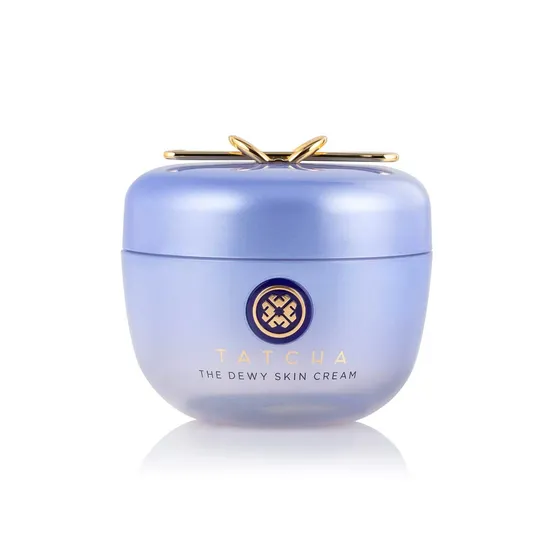
Tatcha engineered a moisturizer around the "dewy skin" aesthetic that dry-skinned beauty enthusiasts crave. The Japanese botanical complex is not just marketing — purple rice and algae extracts deliver antioxidant-rich hydration that leaves skin looking lit from within. Just know your skin type before buying.
This review is based on analysis of 6800+ Amazon ratings, expert reviews, and comparison with products in the Luxury Moisturizers category. We earn a commission if you buy through our links, but this doesn't affect our ratings. Read our full methodology →
Engineered for Luminosity
Tatcha built this cream around a specific aesthetic goal: dewy, translucent-looking skin inspired by Japanese beauty traditions. Japanese purple rice provides anthocyanin antioxidants. Okinawan algae delivers mineral-rich hydration from a marine source. Hyaluronic acid handles the plumping layer. And botanical lipids create the signature dewy finish.
The combination works well in practice. The cream has a faint, delicate floral scent — like jasmine tea left to cool — that disappears within three minutes of application. The texture feels dense and cushioned between the fingertips, almost like whipped mousse, but melts to a thin, smooth layer on contact with warm skin. Within about 15 minutes of a single application, skin takes on a soft luminosity that looks like great genetics rather than product. The glow comes from hydrated, smooth skin reflecting light evenly — not from shimmer particles or light-reflecting pigments. It is real dewiness, not faked or simulated.
On dry skin, the effect is striking. Flaky patches disappear. Tight areas relax. The skin surface looks polished. But on combination or oily skin, that same dewiness crosses the line into visible shininess, especially in the T-zone by midday. This cream knows who its audience is.
What separates Tatcha's approach from other dewy-finish moisturizers is the layered hydration architecture. Many creams achieve dewiness through a single mechanism — typically silicones or dimethicone that sit on the surface and reflect light. The result looks glossy for an hour, then fades or migrates into fine lines. Tatcha builds the effect from three distinct layers working simultaneously. Hyaluronic acid pulls moisture into the upper dermis, creating plumpness from within. The botanical lipid blend — squalane paired with Japanese camellia oil — fills intercellular gaps in the stratum corneum, smoothing the skin surface so light reflects uniformly rather than scattering off rough patches. And the Hadasei-3 complex provides antioxidant support that prevents the oxidative dullness responsible for that tired, flat look skin develops by late afternoon. The result is dewiness that holds for six to eight hours on dry skin instead of the typical two-hour window most dewy products deliver. That durability is the real differentiator, and it comes from addressing hydration at multiple depths rather than coating the surface with a single reflective layer.
The ingredient list tells a deliberate story. Japanese purple rice — Oryza Sativa — is not a token botanical inclusion. The anthocyanin concentration in the specific cultivar Tatcha sources runs three to four times higher than standard rice varieties, giving the extract a deep purple hue and measurable free-radical scavenging capacity. Okinawan algae adds a mineral profile heavy in magnesium and calcium, both of which support the skin barrier's ability to retain moisture over extended periods. Squalane derived from olives rounds out the lipid layer, mimicking the skin's own sebum composition closely enough that absorption feels immediate rather than greasy. These are not trendy fillers. Each ingredient addresses a specific layer of the hydration architecture — antioxidant protection at the surface, mineral support in the mid-layers, and lipid sealing at the base.
The Melt-On-Contact Texture
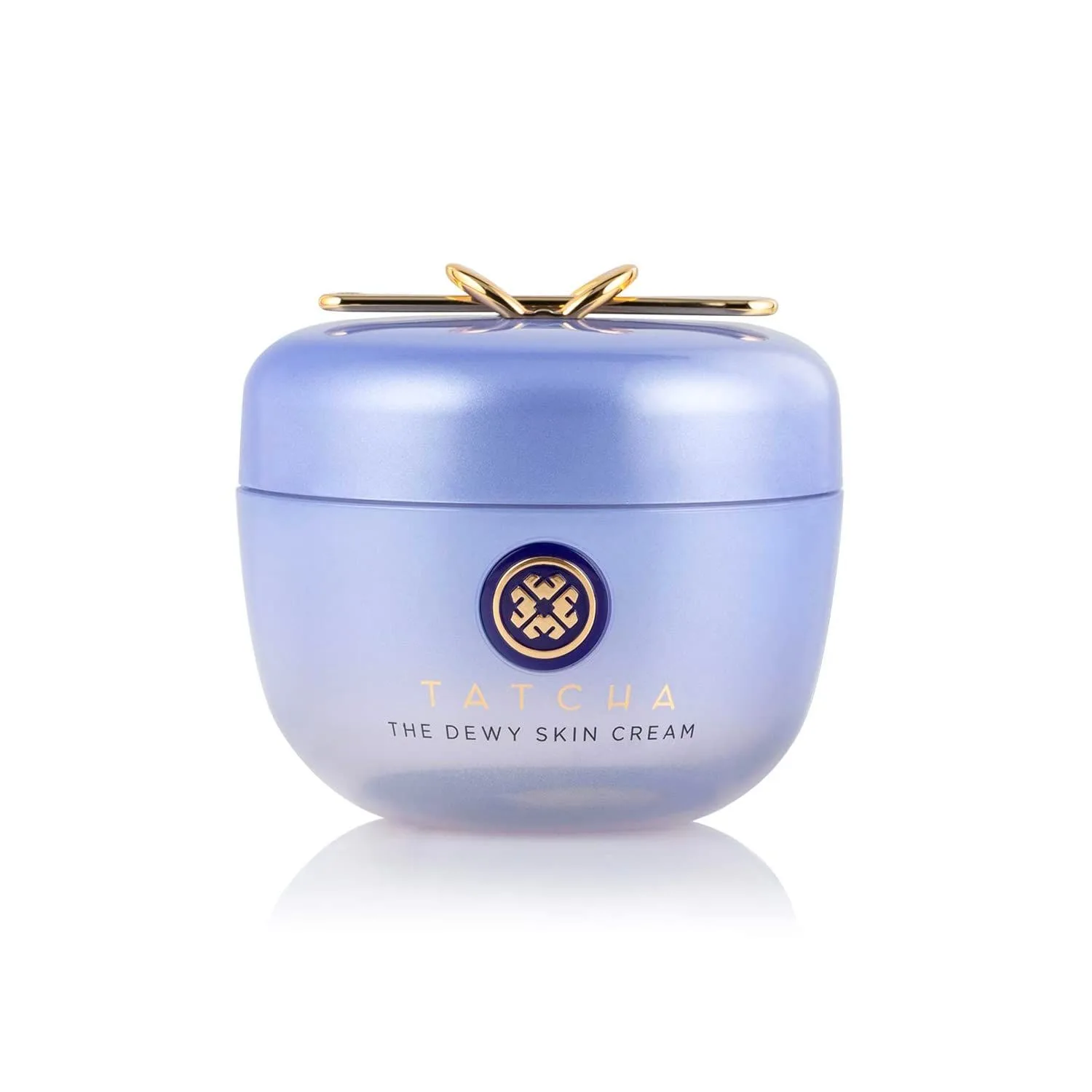
The cream looks rich and dense in the jar. But scoop a small amount and press it between your fingertips — it melts instantly into a fluid that spreads easily. That transformation is part of the experience Tatcha engineers carefully. The rich appearance tells you this is a treatment. The fluid absorption tells your skin to drink it in.
By the third week of nightly use, the difference in morning skin was undeniable. Despite expecting the dewy effect to be purely cosmetic, the cumulative hydration improvement surprised us — morning skin felt structurally plumper, not just surface-level glossy. Waking up with plump, hydrated skin instead of the usual tightness and pillow creases. One mistake we learned early: applying the cream over a still-damp hyaluronic acid serum, which created a heavy, pilling mess. Waiting a full 60 seconds for the serum to absorb before layering the Dewy Skin Cream fixed it. The botanical lipids create a moisture seal overnight that standard hyaluronic-acid-only creams cannot match.
The texture also behaves differently across climate conditions in ways that matter for daily wear. In dry winter air with indoor heating running, the cream absorbs slightly slower — the low humidity means skin pulls moisture less aggressively, so give it an extra minute or two before layering anything on top. In humid summer conditions, absorption accelerates and the dewy finish can tip toward oiliness on skin that runs even slightly combination. The product itself does not change, but how skin interacts with it shifts depending on environmental moisture levels. Users in arid climates like Arizona or Colorado report the longest-lasting dewiness because the cream's lipid seal prevents the transepidermal water loss that dry air accelerates. Users in tropical or subtropical climates often find they need half the amount — a fingertip scoop rather than a full spatula — to get the same luminous result without crossing into excess shine. Paying attention to how much you apply matters more with this formula than with most moisturizers, because the dewy effect amplifies proportionally with quantity in a way that matte-finish creams do not.
The jar itself deserves a mention — and a caveat. Tatcha packages the Dewy Skin Cream in a heavy glass vessel with a gold-accented lid that feels like an object you would find on a vanity in a Kyoto ryokan. The unboxing experience reinforces the premium positioning. But glass jars expose cream to air every time you open them, which gradually degrades active ingredients like antioxidants. Tatcha does not include a spatula in the box, which is an odd omission for a product at this price tier. Buy a small cosmetic spatula separately. The hygiene benefit is real — fingers introduce bacteria that can shorten the product's effective lifespan from eight months to closer to five. The jar holds 50ml, which lasts roughly six to eight weeks with twice-daily use. That puts the cost-per-application in a range comparable to ELEMIS Pro-Collagen and below La Mer, making the per-use economics more reasonable than the upfront price suggests.
For maximum dewy effect, apply to damp skin immediately after your hydrating serum. The moisture from the serum gets sealed in by the Dewy Skin Cream's lipid layer, creating deeper hydration than applying to dry skin. The dewiness lasts 2-3 hours longer with this technique.
What Dry Skin Loves
- Japanese purple rice (Hadasei-3) and Okinawan algae blend deliver the "glass skin" dewiness that dry skin types chase
- Hyaluronic acid paired with botanical lipids creates both immediate and sustained hydration
- The rich cream texture melts on contact — feels indulgent without being heavy or greasy
Who Should Think Twice
- The dewiness can read as "shiny" on oily or combination skin — best suited for dry to normal types
- Contains fragrance from botanical extracts — not fully fragrance-free for strict ingredient purists
- Jar packaging (same concern as Kiehl's) — beautiful but not hygienically optimal
A Skin Type Decision, Not a Quality Decision
At below average for its category, the Dewy Skin Cream competes against ELEMIS Pro-Collagen and Lancome Genifique Night. All three are excellent moisturizers. The difference is finish: ELEMIS gives a matte gel-cream finish with SPF. Lancome gives a rich overnight repair. Tatcha gives maximum dewiness.
Compared to Kiehl's Ultra Facial Cream, the Tatcha delivers far more visible luminosity but less versatility across skin types — Kiehl's works on everyone, while Tatcha is built exclusively for dry-to-normal complexions. If you have dry or normal skin and love the dewy aesthetic, this is the best moisturizer in our catalog for that specific goal. If you have oily skin, this is the wrong product regardless of quality. The formula is not flawed — it is targeted. And that targeting is what makes it exceptional for the right person. Know your skin first, then decide whether the dewy finish is something you chase or something you avoid — the answer to that question determines whether this cream is your holy grail or an expensive mistake.
Before buying, check your skin type honestly. If you blot your T-zone at midday and the tissue comes away oily, the Dewy Skin Cream will amplify that. Kiehl's Ultra Facial Cream gives hydration without dewiness. If your skin feels tight after cleansing and never gets shiny, this cream was made for you.
How the Dewy Skin Cream Compares to Other Luxury Moisturizers
La Mer Moisturizing Cream shares the rich-texture luxury space but takes a fundamentally different approach. La Mer's Miracle Broth bio-fermentation technology works on cellular renewal broadly — improving firmness, texture, and resilience rather than chasing a specific aesthetic finish. You warm La Mer between your palms, press it into skin, and the benefit is cumulative skin quality improvement over weeks. Tatcha's Dewy Skin Cream delivers its signature look within fifteen minutes. La Mer is the long-game investment. Tatcha is the visible-tonight payoff. At a comparable price tier, the choice comes down to looking dewy today or improving your skin gradually for better results six months from now.
ELEMIS Pro-Collagen Marine Cream targets the same luxury moisturizer audience but with anti-aging as the primary mission. Padina Pavonica marine algae and Ginkgo Biloba work on collagen production and firmness. The texture is lighter than Tatcha's — more gel-cream than rich balm — and the finish leans matte-natural rather than dewy. For someone who wants hydration with anti-aging benefits and a finish that works under makeup without adding visible shine, ELEMIS is the more practical daily driver. For someone who specifically wants the lit-from-within glass-skin finish and does not mind the sheen, Tatcha occupies the space ELEMIS intentionally avoids.
One pattern emerges consistently across Amazon reviews: users who switched from drugstore moisturizers to the Dewy Skin Cream report the most dramatic visible difference. The jump from a basic ceramide cream to Tatcha's botanical lipid complex produces a more noticeable change than upgrading from another luxury moisturizer. That diminishing-returns curve matters for anyone evaluating whether the premium price is justified. If you currently use a mid-range moisturizer and feel satisfied with your hydration but want more glow, the Dewy Skin Cream delivers a visible upgrade. If you already use La Mer or Augustinus Bader, the improvement is lateral — different rather than better, trading one luxury texture profile for another. The strongest case for this cream is the dry-skin user coming from a mid-tier product who wants that specific lit-from-within luminosity and has not found it in anything else. For that person, the price premium correlates directly with a visible result they can see in the mirror within twenty minutes of first application.
The fragrance profile is another polarizing detail that reviews split on sharply. Tatcha uses a light floral scent — not synthetic perfume but a botanical blend that fades within five minutes of application. About 15% of Amazon reviewers mention fragrance as either a positive or a negative, with sensitive-skin users occasionally reporting mild irritation from the scent compounds rather than from the active ingredients. For anyone with known fragrance sensitivities, patch-testing on the inner wrist for 48 hours before full-face application is the smart move. The scent disappears quickly enough that it rarely interferes with layered fragrances or perfume, but the initial application has a noticeable botanical aroma that some users find calming and others find unnecessary in a treatment product.
Augustinus Bader Rich Cream uses TFC8 stem-cell technology to support cellular renewal across multiple pathways. The texture is rich but absorbs to a natural finish — neither matte nor dewy. The Bader approach addresses everything (firmness, texture, hydration, radiance) through a single product. Tatcha concentrates on one specific outcome: dewiness. For an all-purpose luxury moisturizer that improves everything gradually, Bader offers more breadth. For the singular goal of glass-skin luminosity on dry or normal complexions, Tatcha delivers that one thing more effectively than any multi-purpose formula.
Building a Dewy Skin Routine Around This Cream
The Dewy Skin Cream works best inside a routine designed to amplify its strengths rather than fight against them. Pairing it with actives like retinol or vitamin C requires timing discipline — apply those actives first, wait ten minutes for full absorption, then layer the Dewy Skin Cream on top as the final occlusive step. Retinol in particular benefits from this approach because the lipid seal slows transepidermal water loss during the hours when retinol increases skin sensitivity. Niacinamide serums pair well too, adding barrier repair that complements the cream's hydration without competing for absorption. Avoid layering with heavy facial oils — doubling up on lipid-rich products pushes past the point of diminishing returns and can leave a residue that transfers to pillowcases and feels uncomfortably heavy by morning.
Start with a hydrating cleanser — nothing foaming, nothing with glycolic acid, nothing that strips the moisture you are about to add. Apply a hydrating serum (hyaluronic acid or Tatcha's Essence) while skin is still damp. Then scoop a small amount of the Dewy Skin Cream with a spatula — using a spatula protects the jar-packaged formula from bacteria transfer better than fingers. Press the cream into skin rather than rubbing. The melt-on-contact texture distributes evenly with pressing motions and avoids the streaking that rubbing can cause with rich formulas.
In the morning, the full dewy protocol works best for dry skin types who want maximum luminosity. Layer the cream under a non-matte SPF — a dewy or natural-finish sunscreen preserves the effect, while matte sunscreen cancels it. For evening use, apply as the final step before sleep. The botanical lipids create an overnight moisture seal that prevents transepidermal water loss during the eight hours when you cannot reapply. Morning skin will feel plumper and more hydrated than with lighter night creams. The overnight results alone justify evening use even for people who skip the morning application in favor of a lighter day cream.
Seasonal adjustments matter more than most product guides acknowledge. Dry skin in winter is the Dewy Skin Cream's natural habitat. When cold air and indoor heating drop humidity below comfortable levels, the rich botanical lipids create a protective barrier that lighter moisturizers cannot match. The dewiness translates to healthy-looking skin that counteracts the dullness winter typically brings. In summer, dry skin types can still use it but may want to reduce the amount — a half-scoop instead of a full scoop — since humidity provides some of the hydration the cream supplies in winter.
Combination skin needs seasonal management. In winter, when the T-zone calms down, full-face application works for many combination types. In summer, apply only to the outer face — cheeks, jawline, temples — and use a lightweight gel moisturizer on the T-zone instead. This split approach gives you the dewy finish where you want it without adding unwanted shine where you do not. Oily skin should avoid this cream year-round unless dealing with genuinely dehydrated oily skin (tight feeling with excess oil production) — a rare condition where the squalane-based hydration can help rebalance oil production over four to six weeks.
Mature dry skin benefits from an extra step: apply the cream while skin is still slightly damp from a hydrating toner. The botanical lipids trap the additional moisture against the skin surface, enhancing overnight plumping. By morning, fine lines appear less pronounced — not from anti-aging actives, but from deep hydration filling the surface texture. The dewy finish on mature skin translates to a healthier, more youthful appearance that reads as vitality rather than product-induced shine. For someone over fifty with dry skin concerns, the Dewy Skin Cream addresses both the moisture deficit and the dull, flat appearance that dehydrated mature skin develops.
Frequently Asked Questions
Will the Dewy Skin Cream make oily skin look greasy?
Likely yes. The dewy finish that dry skin types love reads as shiny on oily and combination skin. If you run oily in the T-zone, this cream will amplify that. Kiehl's Ultra Facial Cream or ELEMIS Pro-Collagen are better choices for oily skin — both hydrate without adding visible sheen.
What is Hadasei-3 and what does it do?
Hadasei-3 is Tatcha proprietary triple complex: Japanese purple rice (rich in anthocyanin antioxidants), Okinawan algae (mineral-rich hydrator), and Uji green tea (anti-inflammatory). Together they provide antioxidant protection, deep hydration, and skin calming. The complex appears across Tatcha entire line.
Can I use it in the morning under makeup?
Yes, but let it absorb for 3-5 minutes before applying primer or foundation. The rich texture can interfere with makeup application if you rush. Once fully absorbed, it actually creates a smooth, hydrated canvas that many makeup artists prefer as a base for editorial shoots.
How does it compare to La Mer Moisturizing Cream?
Both deliver rich hydration with a luminous finish. La Mer is denser and requires warming between palms before application. Tatcha melts on contact and absorbs faster. La Mer costs substantially more for similar hydration results. Tatcha leans botanical, La Mer leans bio-fermentation. Both target the same dry-to-normal skin audience.
Is the jar packaging a problem?
Jar packaging exposes cream to air and bacteria with each use. Tatcha mitigates this with a beautiful but not hygienically optimal jar. Use a spatula rather than fingers. The product stays effective for 6-8 months after opening when stored properly at room temperature.
The Honest Truth
Tatcha engineered a moisturizer around the "dewy skin" aesthetic that dry-skinned beauty enthusiasts crave. The Japanese botanical complex is not just marketing — purple rice and algae extracts deliver antioxidant-rich hydration that leaves skin looking lit from within. Just know your skin type before buying.
Tatcha Dewy Skin Cream is the best luxury moisturizer for dry skin types chasing the "glass skin" finish. We recommend it for anyone who values the visible dewy radiance that no matte-finish moisturizer can replicate.
Track the Tatcha Dewy Skin Cream
We check the price daily and monitor availability. You hear from us when something changes.
Only when something changes. Unsubscribe anytime.