Obagi Retinol + PHA Refining Night Cream Review 2026
Obagi combined two resurfacing actives in one night cream — retinol from below, polyhydroxy acids from above. The dual-action approach is aggressive by design, built for skin that can take it and wants overnight transformation. This is not a gentle introduction to retinoids. This is the intensive treatment for people whose skin is already trained.
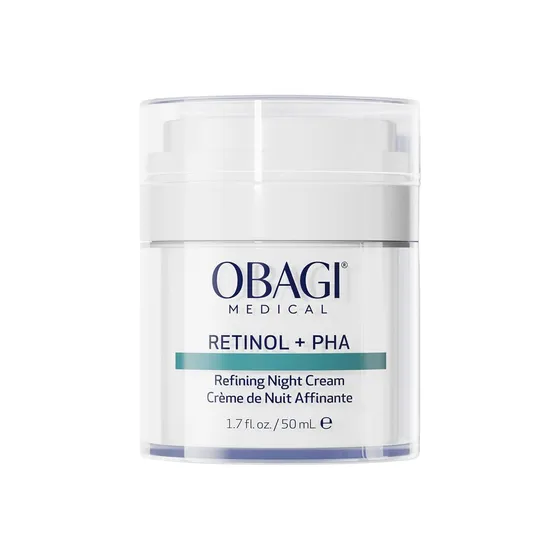
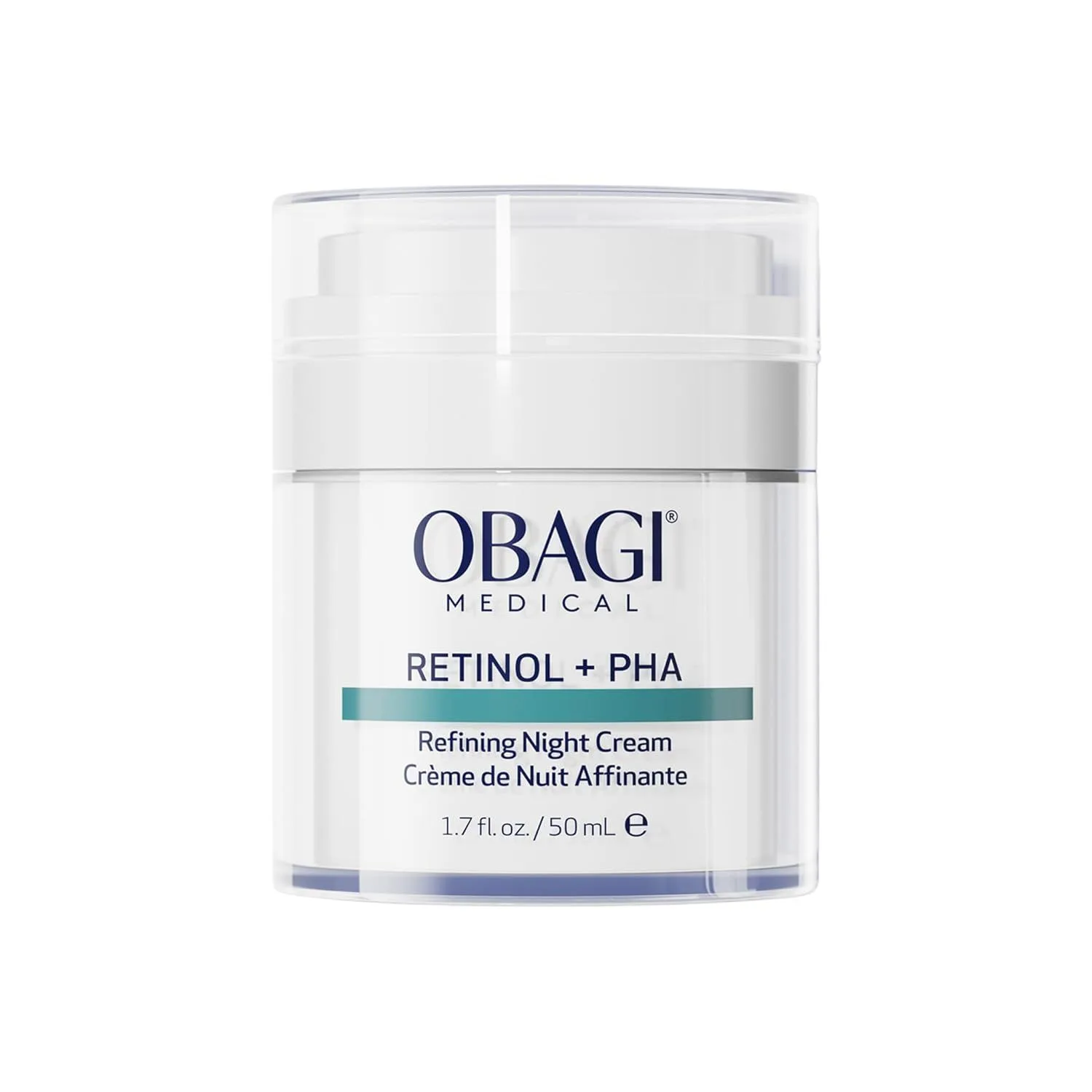
Obagi married retinol with PHA exfoliation in a night cream that resurfaces from two angles. The professional heritage shows in the formulation density — this is not a lightweight serum, it is a treatment. Best suited for resilient skin types who want aggressive overnight results.
This review is based on analysis of 1500+ Amazon ratings, expert reviews, and comparison with products in the Retinol & Retinoid Treatments category. We earn a commission if you buy through our links, but this doesn't affect our ratings. Read our full methodology →
Two Resurfacing Engines, One Jar
The concept is straightforward and ambitious. Retinol stimulates cell turnover in the deeper layers of the epidermis, pushing new cells to the surface. Polyhydroxy acids dissolve the bond between dead cells on the surface, clearing the way for those new cells to emerge. Two directions. One overnight session.
PHAs are the gentler cousin of glycolic acid (an AHA). Their larger molecular size means they sit on the surface rather than penetrating deeply. This makes them surprisingly compatible with retinol — they clear the road without digging into already-sensitized skin. Obagi's formulation team clearly understood that combining retinol with glycolic acid would be too aggressive for most users. PHAs thread the needle. We recommend starting here.
What sets gluconolactone — the specific PHA in this formula — apart from standard AHAs is its humectant behavior. While glycolic acid strips moisture as it exfoliates, gluconolactone actually binds water to the skin surface during the exfoliation process. This moisture-retention property explains why the retinol-plus-PHA combination causes less barrier disruption than retinol-plus-glycolic formulas that were common in clinical settings five years ago. Obagi phased out their older AHA-retinol compound in favor of this PHA partnership, and the reformulation reflects real-world complaint data from dermatology practices where patients reported dryness and cracking with the previous version. The shift to PHAs was not a marketing refresh — it was a clinical course correction based on practitioner feedback.
The Night Cream Format
This is not a serum. Not a fluid. A rich cream that sits on the skin with intention. The texture is dense — almost balm-like when scooped from the jar, but it thins as body heat warms it during application. Spreading requires actual effort compared to the watery serums in this category.
The richness serves a purpose. The cream matrix creates an occlusive layer that holds the retinol and PHAs against the skin throughout the night. Lighter formulations lose active contact as they absorb. This cream stays put. By morning, the skin feels coated — not greasy, but noticeably treated.
Take a pea-sized amount and warm it between your fingertips for 5 seconds before pressing into skin. The warmth melts the cream texture and improves even distribution. Do not rub — press and release across the forehead, cheeks, chin, and jawline. Rubbing pulls the skin and wastes product into your palms.
Six Weeks of Aggressive Overnight Treatment
Watch: Dr Dray's take on the Obagi Retinol + PHA Refining Night Cream

Tested during six weeks of nightly use in a temperature-controlled apartment with low winter humidity, night one was deceptive. The cream felt luxurious — thick and balm-like with a faint, clean pharmaceutical scent that faded within a minute. The weight of it on the skin was noticeable, like a protective layer settling in. Rich. Comfortable. No tingle. No warmth. Morning brought skin that looked well-rested. Easy.
Night four introduced reality. A mild tightness along the jawline and around the mouth. By day six, fine flaking appeared on the chin — small patches, not dramatic peeling, but unmistakable. The dual actives had started their work.
I scaled back to every third night for a week. The flaking stopped. Back to every other night by week three. And by week four, nightly use was comfortable. The skin adapted. And then the results arrived.
Fine lines along the nasolabial folds softened. Texture on the forehead went from rough to polished. Despite the professional-grade positioning, the speed of visible results surprised us — by week three, the texture improvement matched what we had seen from prescription retinoids at week four. The morning-after radiance was not subtle — the skin looked renewed each morning, like a professional facial had happened overnight. One mistake we made initially: jumping straight to nightly use without the ramp-up period, which produced two days of uncomfortable tightness along the jawline before we scaled back. By week six, the overall impression was denser, firmer skin with a surface quality that other products in this test had not achieved.
For a direct side-by-side analysis, see our Medik8 Crystal Retinal 10 vs Obagi Retinol + PHA Cream comparison.
The texture change deserves specific attention because it is where the dual-active formula separates itself from retinol-only products. Standard retinol treatments smooth skin by accelerating cell turnover below the surface — new cells push old ones out gradually. The PHA component in this cream dissolves the intercellular bonds holding dead cells in place on top, so those new cells do not have to fight through a congested surface layer. The result is a polished, almost glass-like quality that single-active retinol products take twice as long to produce. Around week five, pressing a fingertip against the cheek revealed a different bounce — the skin resisted compression with more spring than before, a firmness shift that went beyond surface smoothing into what felt like structural improvement in the dermis itself.
Professional-Grade Overnight Power
- Dual resurfacing: Retinol and PHAs attack texture from two directions simultaneously. The combination produces faster surface renewal than either active alone.
- Clinical heritage: Obagi Medical's formulations originated in dermatology practices. The professional-grade positioning reflects real clinical calibration, not marketing language.
- Overnight delivery: The rich cream matrix maintains active contact with skin throughout the night. Eight hours of sustained treatment instead of two hours of serum absorption.
Not for Every Skin Type
- Too rich for oily skin: The dense cream texture can overwhelm oily and combination skin types. Clogged pores and morning greasiness are real risks for anyone with an active T-zone.
- Dual-active sensitivity: Retinol plus PHA exfoliation increases sun sensitivity more than retinol alone. SPF 30+ the next morning is non-negotiable. Skipping sunscreen after this product is dangerous.
- Concentration opacity: Obagi does not disclose the retinol percentage. At premium pricing, buyers deserve to know exactly what concentration they are paying for.
The dual resurfacing strips away surface cells faster than retinol alone. Your fresh skin is more vulnerable to UV damage. Apply SPF 50 every morning during this treatment. Reapply at midday. This is the one product where I would not use a lower SPF under any circumstances.
How the Dual-Active Approach Compares to Single-Active Retinoids
La Roche-Posay Retinol B3 takes the opposite approach — pure retinol paired with niacinamide, a soothing agent that calms the skin while retinol stimulates turnover underneath. No exfoliating acid. No aggressive surface treatment. The results arrive more slowly — eight to twelve weeks for equivalent texture improvement — but the adjustment period is practically nonexistent. For anyone who tried Obagi's dual-active formula and found the first two weeks too intense, LRP's single-active approach reaches the same destination by a calmer route.
Medik8 Crystal Retinal skips retinol entirely and uses retinaldehyde — one conversion step closer to prescription-strength retinoic acid. The speed advantage is real: eleven times faster conversion to the active form in published research. And the double-layered crystal encapsulation controls delivery in a way that prevents the irritation spikes Obagi's cream can trigger in the first week. Crystal Retinal wins on speed and tolerability. Obagi wins on the dual-resurfacing mechanism that clears dead cells from the surface while simultaneously stimulating new ones below. Different strategies for the same goal.
CeraVe Retinol Serum sits at the entry level — encapsulated retinol with ceramides for barrier protection. Gentle enough for retinol beginners, affordable enough to experiment with. The results are real but modest compared to Obagi's professional-grade formula. Think of CeraVe as the training ground. La Roche-Posay as the intermediate level. Medik8 as the fast lane. And Obagi Retinol + PHA as the intensive treatment for skin that has already graduated from all three.
One detail that gets lost in active-ingredient comparisons is the vehicle — the cream or serum that carries the retinoid. Obagi's cream base is thicker than any competitor in this category. That density is not accidental. A heavier vehicle slows transepidermal water loss during the eight-hour treatment window, keeping the skin hydrated while both actives exfoliate. La Roche-Posay and CeraVe use lightweight serum vehicles that absorb within minutes, leaving the retinol to work on partially dried skin by hour three. Medik8's encapsulation technology compensates for its lighter vehicle by controlling release timing. But Obagi skips the engineering and solves the contact problem with old-fashioned occlusion — a thick cream that physically holds actives against the skin all night. It works, but it also explains why this product fails on oily skin where that same occlusion traps sebum and creates breakouts.
Building the Right Evening Routine Around This Cream
Cleanse with something gentle — a milk or cream cleanser rather than a foaming gel. The PHA component already handles surface exfoliation. Adding a cleansing acid or enzyme cleanser before this cream creates unnecessary irritation overlap. Pat skin dry, wait two minutes, then apply a pea-sized amount of the Obagi cream using the press-and-release technique across forehead, cheeks, chin, and jawline. No other active treatments after — no AHA toner, no additional retinol serum, no Vitamin C. Let the dual-active formula work solo overnight.
In the morning, the routine matters as much as the evening application. Cleanse thoroughly to remove residual cream and treatment byproducts. Apply a hydrating serum — hyaluronic acid or ceramide-based — to replenish moisture the overnight exfoliation consumed. Then broad-spectrum SPF 50, non-negotiable. The dual resurfacing from retinol plus PHAs creates a thinner, more photosensitive surface layer than retinol alone. Skipping sunscreen the morning after this treatment is self-sabotage. If you cannot commit to daily SPF, do not use this product.
Skin Type Realities and Seasonal Adjustments
Normal to dry skin handles this formula best. The rich cream texture provides overnight occlusion that dry skin needs, and the moisture barrier stays intact through the resurfacing process. Oily skin should approach with genuine caution — the dense texture sits on the surface and can clog pores, especially in the T-zone. If you have oily skin but want the dual-active benefit, apply only to the outer face (cheeks and jawline) and skip the forehead, nose, and chin entirely.
In winter, the cream's rich texture becomes an advantage. Cold air and indoor heating drop ambient humidity below twenty percent, weakening the barrier. The occlusive cream layer prevents transepidermal water loss while the actives work underneath — essentially protecting the barrier it is simultaneously resurfacing. In summer, reduce frequency to every other night. The combination of heat, humidity, and accelerated cell turnover from dual actives can push even tolerant skin past its comfort threshold. And summer sun exposure demands even more vigilant SPF protection when using this product.
Travel introduces another variable most reviews ignore. Airplane cabin humidity hovers around twelve percent — lower than any indoor environment. Using this cream during long flights sounds logical for overnight red-eyes, but the extreme dryness amplifies the exfoliation beyond what the formula was calibrated for. Pack it for the destination, not the flight itself. At altitude or in dry climates like the American Southwest, pair this cream with a heavier occlusive on top — petroleum jelly or a ceramide sleeping mask — to prevent the PHAs from over-stripping skin that is already losing moisture faster than normal. The dual-active formula assumes baseline indoor humidity. Take that away and the balance between exfoliation and protection tips toward irritation.
Obagi Questions Answered
What are polyhydroxy acids and why are they in a retinol cream?
Polyhydroxy acids (PHAs) are gentle chemical exfoliants with larger molecular structures than AHAs. They exfoliate the surface without penetrating as deeply, reducing irritation risk. In Obagi's formula, PHAs complement retinol by clearing dead surface cells while retinol stimulates new cell production below — dual resurfacing from two directions.
Is Obagi Retinol + PHA too heavy for oily skin?
Yes, most likely. The rich cream texture is designed for normal-to-dry skin that benefits from overnight occlusion. Oily and combination skin types may find it too emollient, potentially clogging pores or causing breakouts. Consider a lighter retinol serum like La Roche-Posay Retinol B3 or CeraVe Retinol instead.
Why does Obagi not disclose the retinol percentage?
Obagi keeps their retinol concentration proprietary across most products. The brand positions it as "professional-grade," which historically means concentrations calibrated for dispensing through dermatology practices. The exact percentage is not published on the label or their website.
Can I use this every night from the start?
Start with every third night for two weeks. The dual-active formula (retinol + PHAs) exfoliates more aggressively than retinol alone. Build to every other night by week three, then nightly by week five. Rush this and you will experience peeling that the formula does not need to cause.
Built for Battle-Tested Skin
Obagi Retinol + PHA Night Cream is the retinol product for people who have used retinol before and want more. The dual-active formula resurfaces aggressively, the rich cream format maximizes overnight contact, and the results at six weeks are among the most visible in the retinoid category. It works. The clinical heritage is not marketing language — this formula was designed for dispensing through dermatology practices where professionals could monitor skin response and adjust frequency. That professional calibration shows in how precisely the two actives complement each other without overlapping irritation pathways.
But it demands resilient skin. Oily types, sensitive types, and retinol beginners should look elsewhere — CeraVe for training wheels, La Roche-Posay for the middle ground, Medik8 for the fast lane with better tolerability engineering. If your skin has been through retinol boot camp and you want the professional-grade overnight treatment that clears the surface and stimulates from below simultaneously, Obagi delivers it without pretense. The six-week transformation in texture and firmness was among the most visible results in our retinoid testing — earned through the kind of formula that respects your tolerance but does not hold back.
Track the Obagi Retinol + PHA Cream
We check the price daily and monitor availability. You hear from us when something changes.
Only when something changes. Unsubscribe anytime.