Obagi Professional-C Serum 20% Review 2026
Twenty percent. That is the ceiling. Published dermatological research says L-ascorbic acid reaches maximum efficacy between 15-20%, with concentrations above 20% adding irritation without proportional benefit. Obagi parked their Professional-C Serum right at that ceiling and dared your skin to keep up.
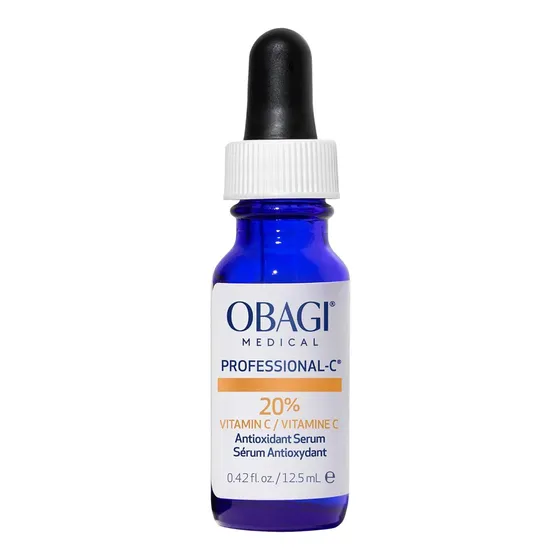
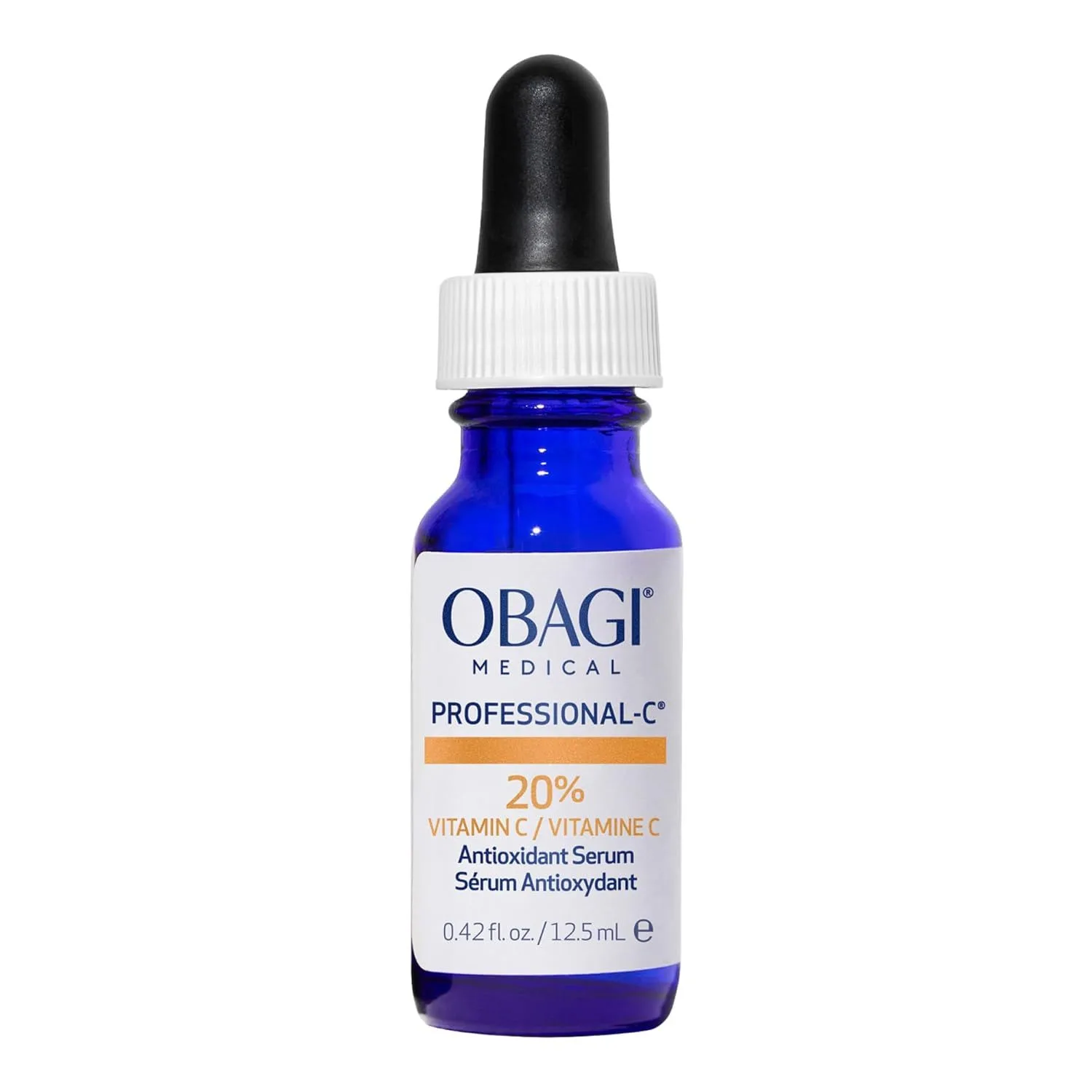
Obagi's Professional-C is the no-nonsense, clinical-strength option. At 20% L-ascorbic acid, this is the ceiling of what research supports as effective — anything higher risks irritation without added benefit. It works fast and it works hard. Just don't expect it to be gentle about it.
This review is based on analysis of 5600+ Amazon ratings, expert reviews, and comparison with products in the Vitamin C & Brightening Serums category. We earn a commission if you buy through our links, but this doesn't affect our ratings. Read our full methodology →
The Dermatology Clinic Formula
Obagi Medical started in dermatology offices, not department stores. The Professional-C Serum was originally dispensed through clinics where dermatologists could monitor patients and adjust protocols. That clinical origin explains everything about the formula: maximum effective concentration, minimal decorative ingredients, aggressive results.
No ferulic acid. No Vitamin E. No pumpkin enzymes. No pod systems. Just 20% L-ascorbic acid in a fluid base, delivered through a standard glass dropper. The philosophy is pure concentration over synergistic complexity. And for skin that can tolerate it, the simplicity works.
The texture tells you something about Obagi's priorities. It is thin — closer to water than serum. Most luxury Vitamin C products add hyaluronic acid, silicone derivatives, or botanical oils to create that slip-and-glide feeling consumers associate with premium skincare. Obagi skipped all of it. The fluid absorbs in under 30 seconds, leaves no film, and layers cleanly under moisturizer and sunscreen without pilling. There is no sensory luxury here. No silk finish, no dewy afterglow on application. What you get instead is a formula engineered to deliver L-ascorbic acid into the epidermis as fast as possible, without any ingredient competing for absorption or diluting the active. Dermatologists who dispensed this in-office valued that efficiency. Consumers expecting the tactile pleasure of a Tatcha or Drunk Elephant product will find the experience clinical. Which is, of course, exactly the point.
What 20% Feels Like on Your Face
It stings. Not subtly. Not maybe. A clear, definite tingle that starts within 5 seconds of application and lasts 15-30 seconds. The first time is startling. By the third application, you expect it. By the second week, you barely notice.
That sting is the low-pH L-ascorbic acid contacting your skin barrier. It is the same sensation you get from a professional chemical peel, scaled down. If it persists beyond a minute or leaves redness lasting more than 10 minutes, this concentration is too aggressive for your skin. No shame in that. Ten percent formulas exist for good reasons.
Apply to completely dry skin. Moisture amplifies the sting because water helps the acid penetrate faster. Wait 60 seconds after cleansing, pat completely dry, then apply. The sting drops from intense to mild with this one change.
Three Weeks of Maximum Concentration
The speed was the first surprise. Where 10% serums show initial results around week three, Obagi's 20% delivered visible brightening by day 10. The skin had a clarity to it. Not just glow, but a clean, even tone that showed up under office lighting and daylight equally.
By week two, the firming effect became apparent. Cheek skin felt tighter. Not pulled-tight, but structurally more supported. L-ascorbic acid at this concentration stimulates collagen production measurably, and the tactile difference was real.
Week three brought the dark spot results. Two persistent sun spots that had resisted months of 10% Vitamin C treatment faded visibly. The higher concentration attacked them more aggressively than anything else in our testing except prescription-grade hydroquinone.
What stood out across the full three-week stretch was the formula's consistency under different conditions. Morning application before a full day outdoors with SPF 50 produced the same brightening trajectory as days spent entirely indoors. The skin tone improvement did not fluctuate with weather, humidity, or activity level the way some antioxidant serums seem to — particularly those with unstabilized derivatives that lose potency with heat exposure. Obagi's pure L-ascorbic acid, applied fresh from a properly stored bottle, performed identically whether the ambient temperature was 65 or 88 degrees Fahrenheit. That kind of predictability matters when you are tracking real results against a timeline. The formula also played well under makeup. No pilling under foundation, no interference with primer adhesion, and no midday oxidation smell that some lower-quality Vitamin C serums produce when they interact with sweat and sebum. By the end of three weeks, the overall complexion looked like it had undergone a mild professional peel — brighter, more uniform, with a firmness that photographs picked up better than a mirror did. We recommend starting here.
For a direct side-by-side analysis, see our Tatcha Brightening Serum vs Obagi Professional-C 20% comparison.
For a direct side-by-side analysis, see our Drunk Elephant C-Firma vs Obagi Professional-C 20% comparison.
Clinical Precision, Consumer Compromise
- Maximum researched concentration: 20% L-ascorbic acid at the proven ceiling. Faster results than any lower-concentration alternative.
- Professional heritage: Formulated for clinical dispensing, now consumer-accessible. Dermatologist-grade without the prescription.
- Visible speed: Brightening in 10 days, firming by 14, dark spot fading by 21. The fastest timeline in our Vitamin C testing.
Where It Hurts (Literally)
- The sting is non-negotiable: 20% L-ascorbic acid at low pH will tingle on application. Every single time. Sensitive skin types should not attempt this formula.
- 8-10 week expiration: The glass dropper provides zero oxidation protection. Use consistently or watch your investment turn orange and lose potency.
- Missing the synergy: No ferulic acid or Vitamin E means the L-ascorbic acid fights solo. Competitors like Drunk Elephant include the full antioxidant triad at lower concentrations and arguably deliver similar overall protection.
How 20% Compares to the Rest of the Vitamin C Market
Drunk Elephant C-Firma takes the opposite approach — 15% L-ascorbic acid with ferulic acid and Vitamin E in a sealed airless pod. The antioxidant triad stabilizes the formula and extends shelf life past six months. The trade-off is concentration. Fifteen percent produces slower brightening than twenty, and the dark spot reduction at three weeks was less pronounced in side-by-side use. But the pod system means zero oxidation risk, and the ferulic acid provides photoprotection that Obagi's solo formula lacks. For anyone who has thrown away half-used Vitamin C bottles that turned orange, C-Firma's packaging justifies the lower concentration.
La Roche-Posay Vitamin C10 sits at the accessible end — 10% pure Vitamin C with Neurosensine to calm the skin simultaneously. No sting. No adjustment period. And genuinely effective brightening for sensitive skin types who would never survive Obagi's 20% formula. The results are real but arrive on a different schedule: six to eight weeks instead of two to three. If patience is available and your skin runs reactive, LRP delivers the destination by a gentler road.
SkinCeuticals C E Ferulic is the most direct comparison — 15% L-ascorbic acid plus 1% Vitamin E and 0.5% ferulic acid. Published research from Duke University (where the patent originated) shows the triad combination boosts Vitamin C's UV protection by a factor of eight. SkinCeuticals wins on science-backed photoprotection. Obagi wins on raw concentration and speed-to-result. Neither brand is wrong. The choice depends on Skin that prioritize antioxidant defense (SkinCeuticals) or collagen stimulation speed (Obagi).
The Oxidation Problem and How to Manage It
L-ascorbic acid is inherently unstable. Exposure to air, light, and heat triggers oxidation — the same chemical reaction that turns a cut apple brown. Obagi's glass dropper bottle provides zero protection against this process. Every time you open the dropper, air enters the bottle. Every time you leave it on a bathroom counter near a window, UV light accelerates degradation. The formula starts clear to pale gold. When it shifts to dark amber or brown, the L-ascorbic acid has converted to dehydroascorbic acid — a compound with minimal skin benefit and potential irritant properties.
Storage protocol matters with this formula more than any other Vitamin C in our catalog. Keep it in a drawer or medicine cabinet — never on an open shelf. Refrigeration extends potency by two to three weeks beyond the standard eight-to-ten-week window. And use it daily without skipping. A bottle used consistently for eight weeks delivers its full value. A bottle used sporadically over four months delivers diminishing returns as oxidation steadily erodes the active concentration. At this price tier, consistent daily use is not just a skincare recommendation — it is an economic imperative.
One detail that frustrated us: the dropper cap itself. The rubber bulb loses suction strength after about five weeks of daily use, making it harder to draw a precise amount. You end up unscrewing the cap and tipping the bottle directly — which introduces even more air into the headspace and accelerates the oxidation you are trying to prevent. Compared to Drunk Elephant's airless pod or SkinCeuticals' pump-top dispensing, Obagi's dropper feels like a design compromise from a decade ago that nobody revisited. For a formula this potent with this short a shelf life, the packaging should be working harder to protect the contents. It is the one area where the clinical heritage works against the product — clinic dispensing assumed a dermatologist would instruct on handling, but consumer retail has no such guardrail.
Building a Morning Routine Around Maximum-Strength Vitamin C
The 20% concentration demands a specific layering order. Cleanse with a gentle, pH-balanced cleanser — avoid foaming cleansers with high pH, which temporarily raise skin pH and intensify the acid sting. Wait 60 seconds until skin is completely dry. Apply four to five drops of the serum and spread evenly. Wait another two minutes for full absorption — the low-pH formula needs uninterrupted contact time with the skin. Then moisturizer. Then broad-spectrum SPF 30 minimum, non-negotiable. L-ascorbic acid at 20% is a potent antioxidant that boosts sun protection, but it also increases photosensitivity during the active phase. Skipping sunscreen on an Obagi morning is self-defeating.
Do not combine this serum with other exfoliating acids in the same routine. AHA, BHA, or enzymatic exfoliants layered with 20% L-ascorbic acid create a cumulative acid load that can compromise the skin barrier. If your routine includes glycolic acid or salicylic acid, move them to the evening. Niacinamide is safe to layer — despite the old myth about Vitamin C and niacinamide canceling each other out, modern formulation research has debunked that interaction at consumer-relevant pH levels. Peptides are also compatible. But retinol and 20% Vitamin C in the same routine is asking for irritation, especially in the first month.
Skin Type Realities at This Concentration
Normal to combination skin handles 20% best — enough resilience to tolerate the acid contact, enough oil production to maintain the barrier through the adjustment period. Oily skin actually benefits from the astringent quality of low-pH L-ascorbic acid, which temporarily tightens pores during absorption. Dry skin types can use this formula but need a richer moisturizer layered immediately after to prevent the acid from exacerbating transepidermal water loss. Sensitive skin — including rosacea-prone, eczema-prone, or post-procedure skin — should not use this product. Period. The 20% concentration does not care about your barrier fragility. Start with La Roche-Posay's 10% or CeraVe's Vitamin C if your skin runs reactive. Mature skin that has thinned with age should also proceed with caution — the acid contact on a thinner epidermal layer produces more intense sensation and requires more careful moisturizer buffering afterward.
Frequently Asked Questions
Is 20% L-ascorbic acid safe for daily use?
For resilient, non-sensitive skin, yes. Apply once daily in the morning before sunscreen. If you experience prolonged redness or peeling beyond the initial 30-second tingle, reduce to every other day. Sensitive skin types should start with 10% formulas like CeraVe or La Roche-Posay and build tolerance before attempting 20%.
Why does Obagi Professional-C sting on application?
The stinging is a normal response to 20% L-ascorbic acid at a low pH (around 2.5-3.0). The acid contacts the skin surface and creates a brief sensation that lasts 15-30 seconds. This is the active ingredient working, not skin damage. If stinging persists beyond 60 seconds or causes redness lasting more than 10 minutes, the concentration may be too high for your skin.
Does Obagi Professional-C contain ferulic acid?
No. Unlike Drunk Elephant C-Firma or SkinCeuticals C E Ferulic, Obagi chose a pure L-ascorbic acid formula without ferulic acid or Vitamin E boosters. The concentration is the strategy here, not synergy. Some dermatologists prefer this approach for its simplicity and predictability.
How quickly does Obagi Professional-C oxidize?
Expect 8-10 weeks of effective life once opened. The fluid formula in a glass dropper bottle is exposed to air with each use. Store in a cool, dark location. When the serum turns dark amber or brown, replace it — the L-ascorbic acid has degraded past the point of useful potency.
Who Is This Really For?
Obagi Professional-C 20% is for experienced Vitamin C users with resilient skin who want the fastest possible brightening and firming results. If you have used 10-15% formulas for six months and plateaued, this is the logical step up before prescription tretinoin territory. The clinical heritage shows in the formula's directness — maximum concentration, minimal filler, aggressive timeline.
It is not for beginners. It is not for sensitive skin. And it is not for anyone who dislikes the daily ritual of a stinging application. For those who can handle the intensity and commit to consistent daily use within the eight-to-ten-week potency window, Obagi delivers brightening and firming speed that no other consumer Vitamin C formula matches. The dark spot fading at three weeks outpaced every other Vitamin C serum in our catalog. The collagen stimulation at twenty percent concentration is measurably faster than fifteen percent formulas. This serum does not coddle. It delivers.
Track the Obagi Professional-C 20%
We check the price daily and monitor availability. You hear from us when something changes.
Only when something changes. Unsubscribe anytime.