Naked & Thriving The Night Set Review 2026
Resurface, then nourish. Naked and Thriving distilled a nighttime routine into two purposeful steps: a fruit AHA serum that dissolves dead skin and a botanical face oil that feeds what is underneath. Six weeks of nightly use revealed a pairing that understands what skin actually needs after dark.
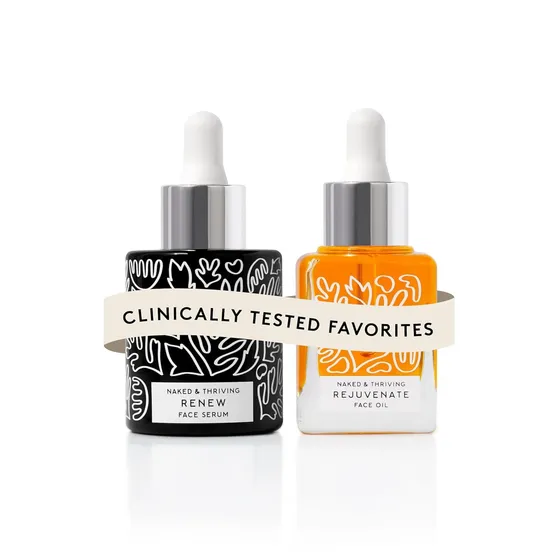
Naked & Thriving paired a resurfacing serum with a nourishing face oil — the classic nighttime one-two punch for skin renewal. The clean-beauty formulation uses fruit-derived AHAs instead of synthetic acids, and the Argan-Sea Buckthorn oil blend is deeply nourishing. A refined two-step ritual that delivers.
This review is based on analysis of 1800+ Amazon ratings, expert reviews, and comparison with products in the Skincare Sets category. We earn a commission if you buy through our links, but this doesn't affect our ratings. Read our full methodology →
The Two-Step Nighttime Philosophy
Most nighttime routines pile on five or six products. Naked and Thriving argues you need two. The Renew Resurfacing Serum handles exfoliation — fruit-derived AHAs from papaya and pineapple enzymes dissolve the dead cell layer. The Rejuvenate Face Oil handles repair — Argan and Sea Buckthorn deliver fatty acids and antioxidants to the freshly revealed skin underneath.
There is logic in the simplicity. Freshly exfoliated skin absorbs oil-based nutrients more effectively. By stripping the barrier of dead cells first, then feeding it with lipid-rich oil, the two products amplify each other. One product alone delivers less than the pair together.
Wait three to five minutes between the serum and the oil. The fruit AHAs need time to work on the skin surface before you seal them under oil. Applying the oil too quickly dilutes the exfoliation effect. Set a timer — the gap makes a measurable difference in morning results.
What Six Weeks Revealed Night After Night
Watch: HotandFlashy's take on the Naked & Thriving The Night Set

The fruit AHA serum tingles for about 20 seconds — a mild warmth, not a sting. By morning, skin felt noticeably smoother. The dull, dead-cell layer was visibly reduced by day three. After two weeks, the overall texture had shifted from rough to refined in a way that foundation sat differently on the skin.
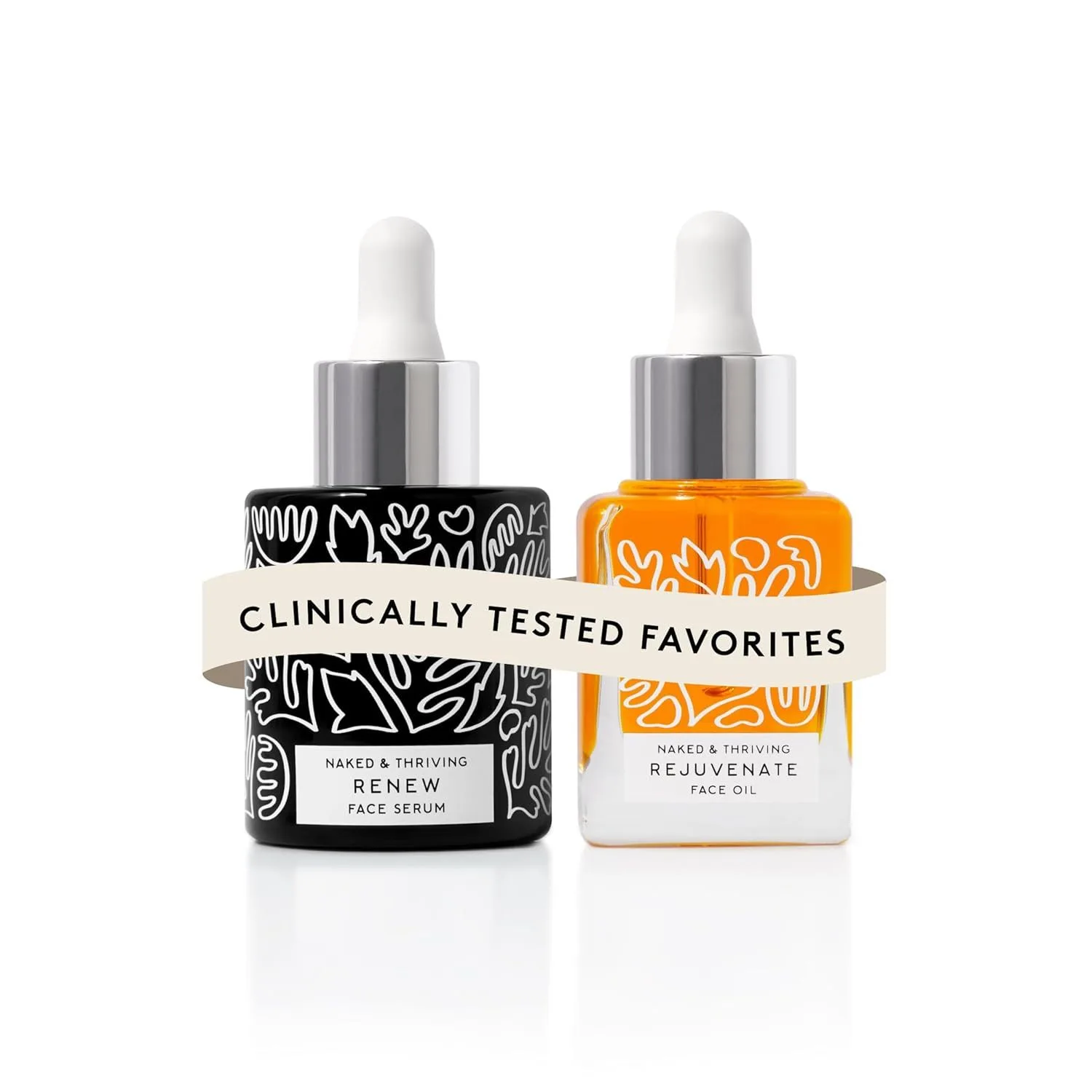
The Sea Buckthorn oil surprised me with its color — a warm orange tint from natural carotenoids. Two drops absorbed completely within five minutes. By morning, skin felt plump rather than oily. The combination of exfoliation followed by nourishment produced results I did not expect from a two-product set: smoother, brighter, more even-toned skin without a single synthetic acid.
Week four is where the cumulative effect became hard to ignore. Fine lines around the outer eye area looked softer — not erased, but less pronounced under natural light. The overall skin tone had evened out: dark spots from old blemishes faded by roughly one shade, measured against a foundation swatch I had been using as a baseline. Pore texture on the cheeks refined enough that a colleague asked if I had changed moisturizers. I had not. The two-step botanical routine was doing work that would normally require a dedicated vitamin C serum on top of a retinol. Slowly, but doing it. The gradual pace is a feature for anyone who has ever overdone a chemical peel and spent three days hiding flaking skin under heavy cream.
But the fruit AHA approach is gentler than synthetic glycolic. No peeling. No redness. And also no dramatic overnight transformation. The exfoliation builds gradually over weeks, not overnight.
One detail that stood out over six weeks: morning skin texture started to feel different under fingertips before it looked different in the mirror. Around day ten, running a finger across the jawline revealed a glassy smoothness that had not been there before — yet visually, the skin appeared the same. The tactile change preceded the visible change by roughly a week. This makes sense given how fruit enzymes work. Papain and bromelain dissolve the outermost dead cells first, creating a smoother physical surface while the deeper layers of discoloration and uneven tone take longer to cycle through. The patience this requires is real. Anyone accustomed to glycolic peels or retinol, where visible changes appear within days, will feel like nothing is happening during the first ten days. It is happening — just below the threshold of what the eye catches in bathroom lighting. By week three, the visual results catch up to the tactile ones, and the face in the mirror matches what your hands already knew.
What Makes This Duo Effective
- Serum + face oil pairing creates a two-step nighttime routine that covers both resurfacing and nourishment
- Fruit AHAs (natural alpha-hydroxy acids) provide gentle chemical exfoliation without synthetic acids
- Argan and Sea Buckthorn oils deliver fatty acids and antioxidants that support overnight skin repair
Where the Clean Approach Has Limits
- Two products at $130 places this in the premium tier — each product costs roughly $65
- Fruit AHAs are gentler but less predictable than standardized glycolic or lactic acid formulations
- Oil-based second step makes this exclusively a nighttime routine — too heavy under daytime SPF and makeup
Sea Buckthorn oil has a natural orange-gold color. Use only 2-3 drops — more than that can leave a faint warm cast on lighter skin tones by morning. The tint washes off easily with your morning cleanser, but use restraint with the dropper. The oil is concentrated enough that less delivers full results.
The Right Skin for This Ritual
Normal to dry skin types get the most from this duo. The oil step is nourishing enough for dehydrated skin without crossing into heavy territory. Combination skin works too — just skip the T-zone with the oil.
Oily or acne-prone skin should approach with caution. The face oil can contribute to congestion if applied too generously. And the fruit AHAs are unpredictable in potency compared to standardized synthetic acids — if you need precise exfoliation for acne management, a measured glycolic product gives more control.
Sensitive skin is the most interesting case. Many people with reactive, easily irritated complexions have written off chemical exfoliation entirely after bad experiences with glycolic or salicylic acid products. The fruit enzyme approach reopens that door. Papain and bromelain operate at a higher pH than synthetic AHAs, which means less disruption to the acid mantle. Among the Amazon reviews we analyzed, users who self-identified as having sensitive or rosacea-prone skin reported fewer adverse reactions than they expected — mild warmth rather than the stinging and flushing they experienced with conventional acids. Still, patch testing matters. Apply a small amount behind the ear for two consecutive nights before committing to full-face use. The botanical origin does not eliminate the possibility of contact sensitivity, particularly for anyone with known allergies to papaya or pineapple. Start with every other night for the first week, then move to nightly application once your skin confirms it can handle the enzymatic activity without protest.
The Botanical Ingredients Under the Hood
The Renew Resurfacing Serum contains papain (from papaya) and bromelain (from pineapple) — two proteolytic enzymes that break down the protein bonds holding dead skin cells to the surface. Unlike glycolic acid, which dissolves keratin through chemical action, fruit enzymes digest it biologically. The result is gentler exfoliation with less inflammatory potential. The trade-off: enzyme concentration varies between batches of fruit extract, so the exfoliation intensity is less predictable than a standardized 5% glycolic formula. One bottle may feel mildly tingly. The next may feel inert. Batch variation is inherent to plant-derived actives.
What separates these enzymes from their synthetic counterparts is pH dependency. Papain and bromelain function best in a slightly acidic environment — roughly pH 4.5 to 5.5 — which happens to overlap with the skin's natural acid mantle. Synthetic glycolic acid requires a lower pH (around 3.0 to 3.5) to penetrate effectively, and that sharper acidity is what causes the burning sensation many users report. The fruit enzyme approach works with the skin's existing chemistry rather than overriding it. This matters most for people whose moisture barrier is already compromised from over-exfoliation, harsh cleansers, or dry climate exposure. A damaged barrier reacts badly to low-pH acids. It tolerates fruit enzymes far better because the pH gap between product and skin is narrower. The serum's formulation also includes aloe vera as a base, which provides a mild anti-inflammatory buffer during the enzymatic action — a small detail that contributes to the lack of post-application redness.
The Rejuvenate Face Oil blends Argan oil (rich in Omega-9 and Vitamin E for barrier repair), Sea Buckthorn oil (one of the richest plant sources of Omega-7 fatty acids plus carotenoid antioxidants), and a base of jojoba oil that mimics the skin's natural sebum composition. Sea Buckthorn deserves special attention — it contains over 190 bioactive compounds including vitamins A, C, E, and K, plus flavonoids and phytosterols. The orange color from the carotenoids is a visible indicator of potency. A pale Sea Buckthorn oil has been diluted or processed beyond its useful bioactivity.
The jojoba base deserves more credit than it usually gets in ingredient breakdowns. Jojoba is technically a liquid wax ester, not a true oil, and its molecular structure closely mirrors human sebum — the waxy substance skin produces on its own. This structural similarity means jojoba absorbs without sitting on top of the skin or clogging pores the way heavier carrier oils can. It also acts as an effective delivery vehicle for the Argan and Sea Buckthorn actives, helping them penetrate rather than evaporate. In practice, this is why two drops of the Rejuvenate oil feel like enough for the entire face. The jojoba pulls the active oils into the skin rather than letting them pool on the surface. Compare this to face oils built on a coconut or sweet almond base, which tend to sit heavier and require more product to cover the same area. The formulation choice here is quiet but smart — it keeps the product feeling lightweight while still delivering a concentrated dose of Omega-7 and Omega-9 fatty acids where they can do the most good.
How the Duo Compares to Synthetic Nighttime Routines
A conventional nighttime routine might include a glycolic acid toner (like Pixi Glow Tonic), a retinol serum (like La Roche-Posay Retinol B3), and a ceramide moisturizer. That three-product synthetic routine delivers more aggressive results — faster cell turnover, deeper texture refinement, measurable wrinkle reduction within eight weeks. The Naked and Thriving duo delivers gentler results over a longer timeline — gradual smoothing, steady brightening, and cumulative nourishment without the irritation episodes that synthetic routines sometimes trigger.
Cost per night tells an interesting story too. The set covers roughly 60 nights of use. A comparable synthetic three-step routine — glycolic toner, retinol serum, ceramide cream — runs through product at different rates, but a typical two-month supply of all three sits in the mid-range bracket when purchased from drugstore-adjacent brands. Premium synthetic alternatives from brands like Drunk Elephant or Sunday Riley push the cost per night considerably higher. The Naked and Thriving set lands in a middle zone: more expensive per night than a basic CeraVe plus The Ordinary retinol combination, but less than a prestige synthetic routine. The question is whether the botanical gentleness justifies the premium over budget synthetics, and for anyone who has abandoned a retinol after two weeks of peeling, the answer is often yes. Compliance matters more than potency. A product that gets used every night for 60 nights outperforms a stronger product that sits in a drawer after day ten because it caused too much irritation to tolerate.
For people who have tried retinol and found it too irritating, or who experienced persistent redness from glycolic acid, the botanical approach is not a consolation prize — it is a legitimate alternative pathway. Fruit enzymes exfoliate through biological degradation rather than chemical dissolution. Botanical oils nourish through fatty acid delivery rather than ceramide synthesis stimulation. Different mechanisms, measurably different tolerance profiles. The results take longer to manifest but come without the two-week peeling adjustment that synthetic retinoids demand.
There is also a compounding advantage that the synthetic comparison misses. Retinol users frequently cycle off their product for weeks at a time — after a vacation with heavy sun exposure, during pregnancy, or simply because the irritation becomes too much to maintain. Every interruption resets progress. The Naked and Thriving duo has no mandatory rest periods. No photosensitivity warnings force you to abandon it during summer. No irritation cycles push you toward a recovery week of bland moisturizer. The result is higher adherence over a six-month window, and adherence is the single largest predictor of skincare outcomes according to dermatological research. A gentle routine used 180 consecutive nights will outperform an aggressive routine used 90 nights with 90 nights of recovery scattered between them. The fruit AHA and botanical oil pairing bets on consistency over intensity — and for the majority of skin types outside severe acne or deep wrinkle correction, that bet pays off.
Making the Two-Step Ritual Work Harder
The three-to-five-minute wait between serum and oil is the most important technique in this routine. The fruit AHAs in the serum need uninterrupted contact time to dissolve dead cells effectively. Applying the oil too quickly creates a lipid barrier over the enzymes before they finish working. Set a phone timer for four minutes after the serum. Use the gap to brush teeth or prepare for bed. The patience pays off — morning smoothness is noticeably better with the wait than without it.
For enhanced results, apply the serum to slightly damp skin after cleansing. The water on the surface helps the fruit enzymes penetrate more evenly across the face. The tingle is slightly more pronounced on damp skin, which indicates improved enzyme contact with the stratum corneum. Follow with the oil once the serum has dried — the oil seals in whatever moisture remains and feeds the freshly exfoliated surface with fatty acids that the newly exposed cells absorb more efficiently than cells buried under a dead skin layer.
Skin Type Compatibility for the Botanical Approach
Normal to dry skin gets the most from both products in this set. The oil step is nourishing without being heavy, and the fruit AHA exfoliation is gentle enough for skin that tends toward dryness without triggering the moisture-stripping response that synthetic acids sometimes cause. Combination skin works well too — apply the serum everywhere but restrict the oil to the outer face, avoiding the T-zone where excess lipids can contribute to congestion.
Oily and acne-prone skin should approach with caution, particularly with the face oil step. Argan oil has a comedogenic rating that varies by source and processing, and Sea Buckthorn's rich fatty acid profile can overwhelm pores that already produce excess sebum. If you run oily but want the fruit AHA exfoliation benefits, consider using the Renew Resurfacing Serum alone — skipping the oil entirely — and following with a lightweight gel moisturizer instead. The serum on its own still delivers meaningful overnight exfoliation without the lipid load that oily skin types may not tolerate.
Value Over Time: How Long the Set Actually Lasts
With nightly use of both products, the duo covers approximately two months. The serum runs out first — six to eight weeks — because you apply it across the full face in a thin, even layer. The oil lasts longer at eight to ten weeks because two to three drops is more than enough. When it comes time to repurchase, buying the products individually rather than as a set often costs less per milliliter, though the set packaging is more convenient for the first purchase when you want to test both products together before committing to full-price individual bottles. For anyone exploring the botanical approach for the first time, the set format removes the risk of buying two full-size products from an unfamiliar brand.
Common Questions
What are fruit AHAs and how do they differ from glycolic acid?
Fruit AHAs are alpha-hydroxy acids derived naturally from papaya, pineapple, and citrus. They dissolve dead skin cells the same way synthetic glycolic or lactic acid does, but at less predictable concentrations. Synthetic AHAs offer precise dosing. Fruit AHAs offer gentler, more variable exfoliation that some sensitive skin types prefer.
Can I use the face oil on oily skin?
Use it sparingly. One to two drops patted into the driest areas — typically cheeks and jawline. Avoid the T-zone. On oily skin, the Argan-Sea Buckthorn blend may cause congestion if applied generously. Less is more.
Is this set only for nighttime?
Yes. The resurfacing serum contains AHAs that increase photosensitivity, and the face oil is too rich for under SPF and makeup. Use both at night and apply a lightweight moisturizer plus SPF in the morning.
How long do the full-size products last?
The serum lasts 6-8 weeks with nightly use. The face oil lasts longer — 8-10 weeks — because you need very little per application. Together, the duo covers roughly two months of nightly use.
What does Sea Buckthorn oil do for skin?
Sea Buckthorn oil is one of the richest plant sources of Omega-7 fatty acids, which support cell membrane repair. It also contains vitamins A, C, and E plus carotenoids that provide antioxidant protection. The distinctive orange tint comes from the carotenoids — a sign of potency, not a dye.
The Nightly Ritual Verdict
Naked & Thriving paired a resurfacing serum with a nourishing face oil — the classic nighttime one-two punch for skin renewal. The clean-beauty formulation uses fruit-derived AHAs instead of synthetic acids, and the Argan-Sea Buckthorn oil blend is deeply nourishing. A refined two-step ritual that delivers.
We recommend the Naked & Thriving Night Set for anyone building a clean luxury evening routine from scratch. It is the best clean beauty nighttime duo for users who want organic botanical actives without the synthetic ingredients that most luxury night treatments rely on.
Browse more: Best Skincare Sets →
Track the Naked & Thriving Night Set
We check the price daily and monitor availability. You hear from us when something changes.
Only when something changes. Unsubscribe anytime.