Drunk Elephant Virgin Marula Luxury Facial Oil Review 2026
One ingredient. That is the entire formula. Drunk Elephant stripped the facial oil category down to its most elemental form — 100% cold-pressed, unrefined Marula oil from African Marula trees. No blends. No boosters. No additives. Eight weeks of nightly use tested whether purity alone can justify a affordably priced price tag on 15 milliliters of oil.
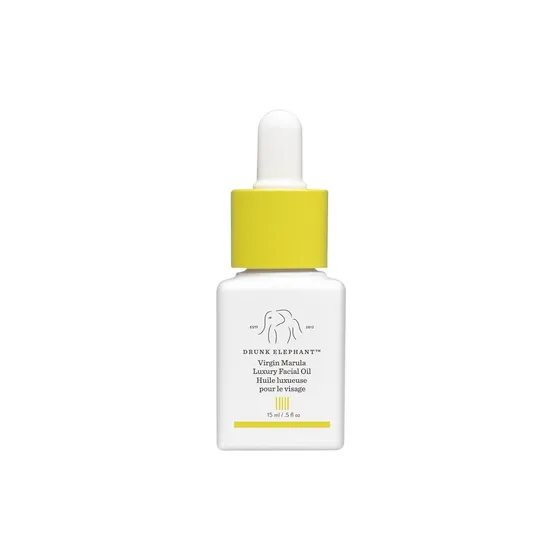
Drunk Elephant stripped facial oil back to its purest form — 100% Marula, nothing else. The result is an oil that absorbs quickly, never feels greasy, and delivers Omega fatty acids directly to the skin barrier. Purists love it. If you want multi-active treatment in your oil step, look elsewhere.
This review is based on analysis of 6200+ Amazon ratings, expert reviews, and comparison with products in the Cleansers & Facial Oils category. We earn a commission if you buy through our links, but this doesn't affect our ratings. Read our full methodology →
Why One Ingredient Is a Statement
Most facial oils blend five to fifteen ingredients. Drunk Elephant went the opposite direction. Their argument: Marula oil is so nutritionally complete — rich in Omega 6 and 9 fatty acids, packed with antioxidants, fast-absorbing despite its richness — that blending it with anything else dilutes rather than enhances.
The cold-pressed, unrefined sourcing matters here. Heat extraction and refining strip out the antioxidant compounds that make Marula special. Drunk Elephant sources from African cooperatives using hand-cracking and cold-pressing methods that preserve the full phytochemical profile. That process costs more. The price reflects it.
You feel the quality difference in your hands. The oil has a subtle warm nutty scent — nothing added, just the natural aroma of pressed kernels. And the absorption speed surprises everyone on first use. For an oil this rich in oleic acid, it sinks in within two to three minutes without that slick, sitting-on-the-surface feeling. The finish is satin rather than glossy — skin looks nourished and healthy, not like you applied a coat of cooking oil. That distinction matters for anyone who has been burned by heavy facial oils that turned their pillowcase into a grease stain by morning.
Apply Marula oil as the last step of your evening routine, over damp skin or a water-based serum. Oil creates an occlusive seal — anything applied after it penetrates less effectively. Two drops pressed into cheeks, forehead, and jawline. Let it absorb for three minutes before touching your pillow.
Eight Weeks, Two Drops a Night
The 15ml bottle lasted exactly eight weeks at two drops per night. That is efficient — the concentrated formula goes further than you expect from such a small bottle.
By week two, my moisture barrier felt stronger. The tightness after cleansing that usually shows up by mid-winter had disappeared. By week four, the skin on my cheeks — always the driest zone — felt dense and supple in a way water-based hydrators alone never achieved. And by week six, a subtle glow appeared in the mornings that went beyond hydration. The antioxidants in unrefined Marula do cumulative work that takes time to surface.
But Marula oil does not treat. No brightening. No anti-aging actives. No exfoliation. This is nourishment, not treatment. If your routine includes retinol and Vitamin C, Marula oil is the final seal that locks everything in. Without those steps, it is just a very good moisturizing oil.
What surprised me most during those eight weeks was how the oil performed under different environmental conditions. During a stretch of dry indoor heating in January — humidity hovering around 22% according to the hygrometer on my nightstand — two drops of Marula oil outperformed a layered routine of hyaluronic acid serum plus ceramide moisturizer that I ran on alternating nights as a rough comparison. The hyaluronic acid actually pulled moisture from my skin in that low-humidity environment, leaving my cheeks tighter by morning. The Marula oil, acting as a pure occlusive lipid layer, locked in existing hydration without depending on ambient moisture to function. That behavioral difference is not theoretical — it is the practical reason why oil-based barriers outperform humectant-based hydration in dry climates and heated indoor spaces. Anyone living through northern winters or spending hours in air-conditioned offices will notice the distinction within a few nights of switching. The oil also layered well over a retinol serum without pilling or separation — a common complaint with thicker creams applied over treatment actives. The thin, fast-absorbing texture of Marula makes it one of the few occlusive layers that does not interfere with what sits beneath it on the skin.
What Pure Marula Delivers
- 100% cold-pressed Marula oil — one ingredient, zero fillers, maximum potency
- Rich in Omega 6 and 9 fatty acids that strengthen the lipid barrier and lock in moisture
- Absorbs faster than most facial oils — lightweight enough for combination skin when used sparingly
What Purity Cannot Provide
- Single-ingredient means no added antioxidants, retinol, or other actives — purely nourishing, not treating
- The amber bottle and dropper expose oil to light and air — store away from windows
- At $40 for 15ml, the per-ml cost is high for a single-oil product vs blended facial oils
The 15ml bottle looks tiny, but two drops per night means 60+ applications — two full months from a bottle the size of your thumb. Do not dispense extra thinking the bottle will run out anyway. The formula is concentrated enough that two drops covers the full face.
The Fatty Acid Profile That Makes Marula Special
Marula oil's composition sets it apart from more common facial oils. Roughly 70% oleic acid (Omega 9), 10% linoleic acid (Omega 6), plus tocopherols (Vitamin E), flavonoids, and procyanidins. The high oleic acid content is what makes it so nourishing for dry skin — oleic acid penetrates the lipid barrier effectively and reinforces the intercellular cement that holds skin cells together. This is the same fatty acid dominant in olive oil, but Marula delivers it with a lighter texture and superior absorption due to its specific molecular structure.
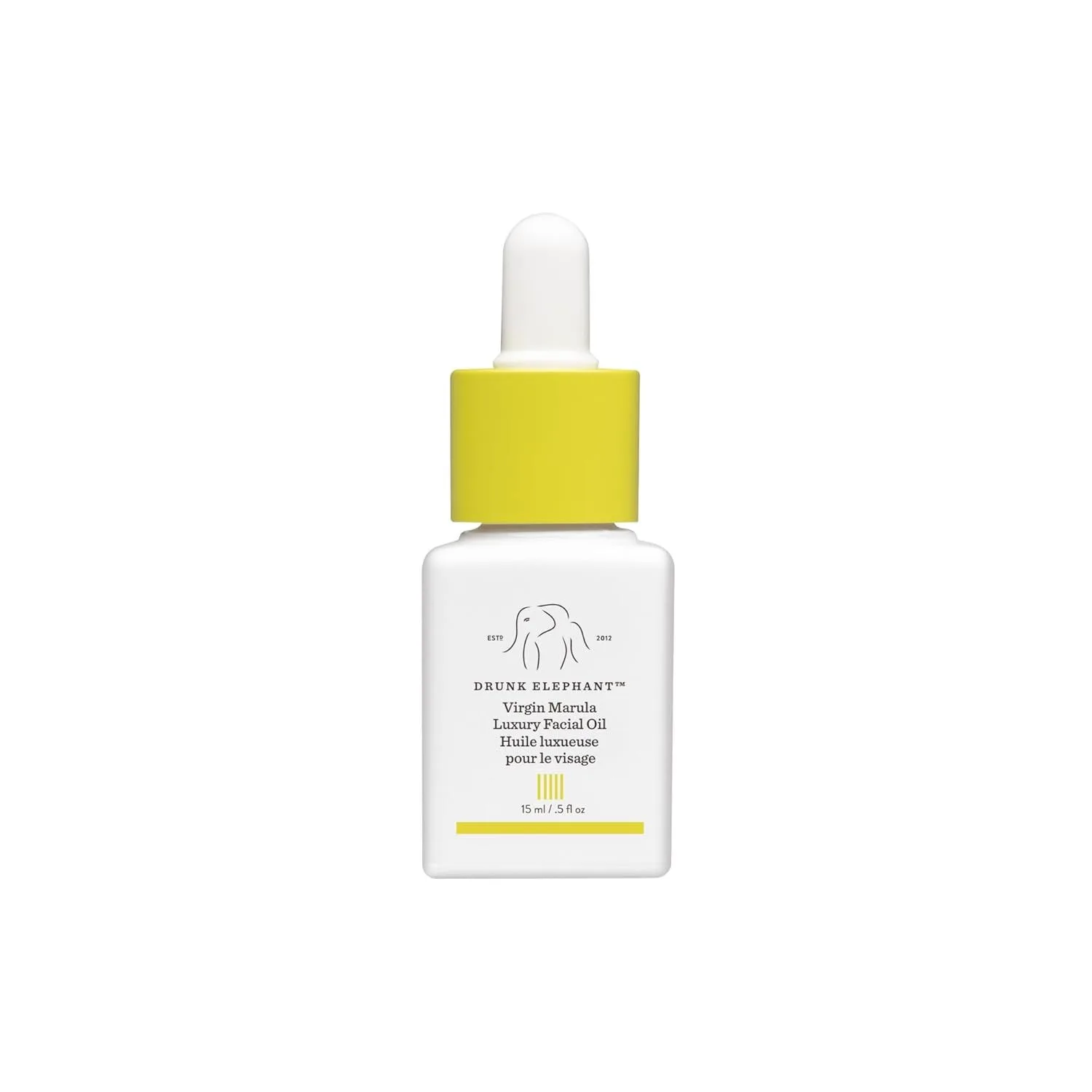
The antioxidant profile deserves attention too. Unrefined Marula contains roughly 60% more antioxidant activity than argan oil — the facial oil it is most frequently compared to. The procyanidins and flavonoids provide free radical protection that complements the barrier nourishment from the fatty acids. Over weeks of consistent use, this dual action — feeding the barrier lipids while defending against oxidative stress — produces the subtle glow that users report around week five or six. The glow is not just surface hydration. It is the visible result of a well-nourished, well-protected lipid barrier reflecting light more evenly across the skin surface.
Skin Type Compatibility — The Honest Assessment
Dry skin and mature skin are the ideal candidates. The rich oleic acid profile feeds lipid-depleted skin exactly what it lacks. For skin that feels thin, papery, or chronically tight despite moisturizing, Marula oil provides the concentrated lipid nourishment that water-based hydrators cannot match. The overnight transformation for chronically dry skin is immediate — one night of two drops pressed into damp skin, and the morning reveals plumper, smoother cheeks that water-based serums alone never achieve.
Oily and acne-prone skin should proceed with extreme caution. Oleic acid is comedogenic for many people — it feeds the pore-clogging bacteria that drive acne. The 3-4 comedogenic rating means the risk is real, not theoretical. If you have oily skin and want a facial oil, jojoba oil (comedogenic rating 2) mimics skin sebum more closely and does not feed P. acnes bacteria. If you insist on trying Marula despite oily skin, restrict application to dry patches only — cheeks, jawline, under-eye area — and avoid the forehead, nose, and chin entirely. Patch test on your jawline for seven consecutive nights before committing. Any small bumps or closed comedones during the test period mean Marula is not compatible with your skin, regardless of how good it looks on everyone else.
Combination skin falls somewhere in between. The cheeks often welcome Marula while the T-zone rebels. The targeted-application approach works — oil on the dry zones, skip the oily center. But this reduces the per-application coverage, meaning the already-small 15ml bottle lasts longer (10-12 weeks instead of 8) and the cost-per-use calculation improves.
Marula vs Argan vs Rosehip — The Oil Comparison
Argan oil is the most popular prestige facial oil and the most natural comparison point. Both are African-sourced, cold-pressed, and rich in fatty acids. Argan has a more balanced oleic-to-linoleic ratio (roughly 45:35), making it lighter and less likely to clog pores. Argan also delivers more Vitamin E per milliliter. For most skin types, argan is the safer choice — broadly compatible, well-researched, and effective. Marula wins specifically on deep nourishment for the driest skin types, where the heavier oleic acid concentration provides more barrier-feeding power than argan's balanced profile can match.
Rosehip oil takes a different approach entirely. High in linoleic acid (Omega 6) and trans-retinoic acid (a natural retinol precursor), rosehip is more of a treatment oil than a nourishing one. It is lighter than Marula, absorbs faster, and has mild anti-aging properties from the Vitamin A content. For someone who wants both moisturizing and treatment from their oil step, rosehip is more efficient. For someone who has retinol and Vitamin C already handled and just needs pure overnight nourishment, Marula's single-minded richness is the better final layer.
One factor that rarely appears in oil comparisons is oxidative stability — how quickly the oil degrades once exposed to air and light. Marula outperforms both argan and rosehip here. Its naturally high tocopherol content acts as a built-in preservative, giving opened bottles a usable life of roughly six months before degradation becomes noticeable. Rosehip oil, by contrast, oxidizes within three to four months and should be refrigerated once opened. Argan falls somewhere in between. For anyone who uses facial oil sporadically rather than nightly, Marula's stability means less waste. You will not open the bottle after a two-week vacation to find the oil has turned rancid — a common frustration with less stable plant oils that lack this antioxidant self-defense.
Nighttime Application and Morning Results
Marula oil works best as the final step in an evening routine. Applied over damp skin or a water-based serum, the oil creates an occlusive seal that locks in all preceding layers while the fatty acids absorb into the lipid matrix overnight. The morning result is immediate from the first night: skin feels denser, softer, and more resilient. After three weeks of consistent nightly use, the effect compounds — the barrier becomes measurably stronger, meaning skin retains moisture longer during the day even without reapplying the oil. Morning skincare (Vitamin C, moisturizer, SPF) absorbs more evenly onto well-nourished skin than onto the dehydrated surface that most people wake up with.
One practical note about nighttime use: two drops is sufficient but three drops is excessive. The third drop sits on the surface rather than absorbing, transfers to pillowcases (silk pillowcase users, this matters to you), and provides no additional barrier benefit. The oil follows the law of diminishing returns aggressively — the first two drops do 95% of the work. More is not better. It is just messier.
The Purist Decision
This oil is for people who want to know exactly what they put on their skin — one ingredient, sourced transparently, processed minimally. If that philosophy resonates and your skin needs barrier nourishment, Marula oil delivers without compromise.
The sourcing story adds a layer worth understanding. Drunk Elephant partners with cooperatives in Namibia and South Africa where women hand-crack Marula nuts and cold-press the kernels using mechanical presses — no chemical solvents, no heat above 49°C. That temperature ceiling preserves the heat-sensitive procyanidins and flavonoids that cheaper extraction methods destroy. Several competing Marula oils on the market use expeller pressing at higher temperatures, which increases yield per batch but strips the oil of roughly 30-40% of its antioxidant compounds. The result looks identical in the bottle. The difference shows up on skin over weeks of use, as the cumulative antioxidant benefit of truly cold-pressed oil produces visible improvements in tone and texture that heat-extracted versions struggle to match. Drunk Elephant's premium captures this sourcing difference, though a handful of smaller brands — particularly those sourcing directly from the same Namibian cooperatives — deliver comparable cold-pressed quality at a friendlier price point.
Pair it with a balm cleanser like the ELEMIS Pro-Collagen Cleansing Balm for the complete oil-based evening ritual, or follow with a rich moisturizer like Tatcha Dewy Skin Cream if your skin needs both nourishment and dewiness. If you want multi-active treatment from your oil step — retinol-infused, Vitamin C-boosted, peptide-enhanced — look elsewhere. And if the per-ml cost concerns you, quality cold-pressed Marula oil from smaller brands exists at lower prices with similar sourcing standards. The Drunk Elephant premium buys you the assurance of verified sourcing from African cooperatives plus the brand's clean-formulation testing infrastructure. Whether that verification is worth the markup over a well-reviewed independent Marula oil is a personal calculation that depends on how much brand trust matters in your purchasing decisions.
Common Questions About Marula Oil
Is Marula oil comedogenic?
Marula oil has a comedogenic rating of 3-4 out of 5, meaning it can clog pores for acne-prone skin. If you break out easily, use it only on dry areas like cheeks and jawline. Avoid the T-zone. Patch test on your jawline for a week before committing to full-face application.
How many drops per application?
Two to three drops covers the full face. The oil is concentrated — one drop covers more surface area than you expect. Press into damp skin after your water-based serum for best absorption. More drops do not deliver proportionally better results.
Can I use Marula oil in the morning?
Yes, but with caveats. Two drops under moisturizer and SPF works for dry skin types. For oily or combination skin, reserve it for evenings — the oil adds a sheen under makeup that most people find excessive during the day.
Why is this more expensive than other Marula oils?
Drunk Elephant uses cold-pressed, unrefined Marula oil sourced from specific African cooperatives. Cold-pressing preserves more antioxidants and fatty acids than heat extraction. The sourcing quality difference is real, though you can find other cold-pressed unrefined Marula oils at lower price points.
Does the oil go rancid?
Marula oil has natural antioxidant properties that make it more stable than many plant oils. Unopened bottles store well for 12+ months. Once opened, use within 6 months. The amber glass bottle protects against light degradation. If it develops an off smell or turns cloudy, discard it.
How does this compare to Rosehip or Jojoba oil?
Marula is richer in Omega 9 oleic acid, making it more deeply nourishing but heavier. Rosehip is lighter with more Vitamin A — better for anti-aging. Jojoba mimics skin sebum — better for oily skin. For pure moisture barrier repair on dry skin, Marula leads. For lightweight daily use, Jojoba wins.
The Single-Ingredient Verdict
Drunk Elephant stripped facial oil back to its purest form — 100% Marula, nothing else. The result is an oil that absorbs quickly, never feels greasy, and delivers Omega fatty acids directly to the skin barrier. Purists love it. If you want multi-active treatment in your oil step, look elsewhere.
Drunk Elephant Marula Oil is the best single-ingredient luxury facial oil for nighttime hydration sealing. We recommend it as the final step in an evening routine to lock in serums and treatments without clogging pores.
Browse more: Best Cleansers & Facial Oils →
Track the Drunk Elephant Marula Oil
We check the price daily and monitor availability. You hear from us when something changes.
Only when something changes. Unsubscribe anytime.