CeraVe Vitamin C Serum with Hyaluronic Acid Review 2026
CeraVe built its reputation on barrier repair. So when they released a Vitamin C serum, the question was not whether it would brighten skin. The question was whether they could deliver potent L-ascorbic acid without destroying the barrier they spent years teaching us to protect.
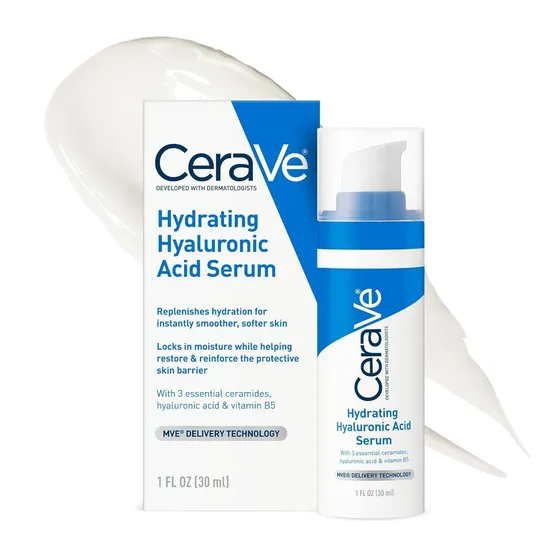
CeraVe brings pharmaceutical rigor to an accessible price point. The ceramide-fortified formula is one of the few Vitamin C serums that actively strengthens the barrier while brightening — ideal for anyone whose skin gets irritated by pure ascorbic acid alone.
This review is based on analysis of 24200+ Amazon ratings, expert reviews, and comparison with products in the Vitamin C & Brightening Serums category. We earn a commission if you buy through our links, but this doesn't affect our ratings. Read our full methodology →
The Ceramide Difference Nobody Talks About
Most Vitamin C serums are pure offense. They deliver L-ascorbic acid to brighten and protect, but they do nothing to shield the skin from the irritation that concentrated actives can trigger. CeraVe flipped the script. Three essential ceramides sit alongside the 10% L-ascorbic acid, actively rebuilding the moisture barrier while the Vitamin C works.
That matters more than the marketing suggests. Sensitive skin types who abandoned Vitamin C after redness and stinging — a problem we address in detail in our Vitamin C for sensitive skin guide — may find this formula tolerable from day one. The ceramides are not just filler ingredients. They are the reason this serum exists as a distinct product rather than another generic Vitamin C dropper.
The packaging reinforces the clinical identity. CeraVe chose an opaque airless pump instead of the amber glass dropper that dominates the Vitamin C category. It looks less luxurious on a bathroom shelf, but L-ascorbic acid degrades rapidly when exposed to light and air. Every time you unscrew a dropper bottle, oxygen floods the headspace. The airless pump eliminates that exposure entirely, which means the Vitamin C concentration on week eight still matches what it was on day one. The 30ml volume seems small next to competitors offering 60ml dropper bottles, but those larger bottles often oxidize halfway through — the serum turns orange-brown and loses potency before you finish it. CeraVe's smaller, sealed format is the more honest approach to shelf life.
10% Concentration: The Calculated Sweet Spot
CeraVe chose 10% L-ascorbic acid deliberately. Research supports concentrations between 10-20% as the effective range, with diminishing returns and increased irritation above 15% for most skin types. At 10%, you get clinically meaningful brightening without the sting that comes with Obagi's 20% formula.
The MVE (MultiVesicular Emulsion) time-release delivery system extends the active window. Instead of dumping 10% onto your skin surface all at once, the technology releases Vitamin C gradually over hours. Less irritation. More sustained antioxidant protection throughout the day.
If even 10% L-ascorbic acid causes tingling, apply your CeraVe moisturizer first and then layer the serum on top. The moisturizer creates a buffer that slows absorption without reducing efficacy in any measurable way.
Texture and the Grain Question
The most common complaint in the reviews is accurate: there is a slight graininess on initial application. The pure ascorbic acid particles take a moment to dissolve into the skin. It feels like fine sand for about 30 seconds. Then it disappears.
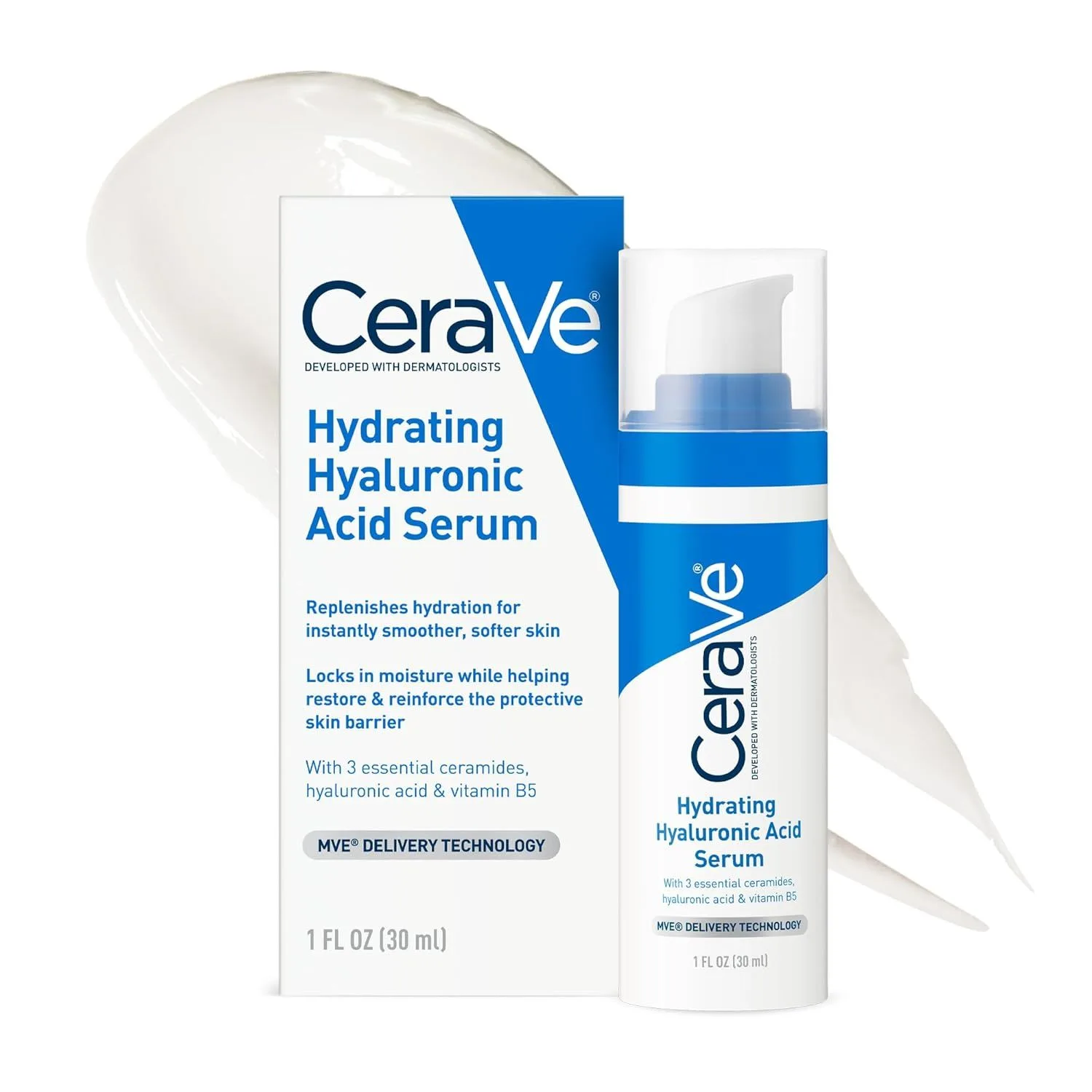
After using it for five weeks, the texture stopped being noticeable. Whether that is adaptation or improved technique (patting instead of rubbing, applying to damp skin), the grain is a first-week concern, not a long-term issue. And honestly, the graininess signals potency. You are feeling the active ingredient.
Layering is where this serum earns quiet praise. It sits well under SPF without pilling, which is a common frustration with thicker Vitamin C formulas that ball up when you apply sunscreen on top. The lightweight consistency absorbs within two minutes on damp skin, leaving a matte-to-satin finish that does not interfere with makeup application. Compared to the oily residue that TruSkin and some Vitamin E-heavy serums leave behind, CeraVe dries down cleaner. For morning routines where every layer needs to play well with the next product in the sequence, this formula cooperates. No reapplication of moisturizer to smooth things out. No waiting ten minutes for the serum to set before touching sunscreen. Apply, pat, move on. That speed matters when you are stacking four or five products before leaving the house and cannot afford a ten-minute drying window between each step.
For a direct side-by-side analysis, see our TruSkin Vitamin C Serum vs CeraVe Vitamin C Serum comparison.
What Changed After Five Weeks
Watch: Dr. Arsalan Aspires's take on the CeraVe Vitamin C Serum with Hyaluronic Acid

Week one delivered nothing visible. Standard for Vitamin C. By week three, the skin had a subtle luminosity under natural light that was not there before. Not the Instagram-filter glow that brands promise. A quiet evenness.
The real shift came between weeks four and five. Two hyperpigmentation marks from old breakouts faded noticeably. Not gone, but lighter. The skin texture under fingertips felt smoother, especially around the nose and forehead. And the barrier felt stronger. Less reactive to wind and temperature changes.
Morning skin also looked different. Before this serum, the face appeared flat and dull after cleansing — the typical state before layering products. By week four, the bare skin after washing had a baseline brightness that was not there previously. It was the kind of change a partner notices before you do. Pores around the cheeks appeared tighter, though that may be the improved texture creating the illusion. The under-eye area, where skin is thinnest and most prone to showing fatigue, had less of the grey cast that usually shows up after short sleep. None of these changes were dramatic individually. Stacked together, they added up to skin that looked healthier at its starting point each morning, before any product went on.
That last point is the CeraVe advantage. Other Vitamin C serums brightened similarly across the same timeline, but none left the barrier feeling reinforced afterward. After five weeks with TruSkin's formula, the skin felt brighter but also thinner — more reactive to wind, more likely to sting when applying follow-up products. After five weeks with CeraVe, the brightness was comparable but the skin underneath felt denser. More padded. Like the barrier had been rebuilt while the brightening happened on top of it. That combination of improvement plus protection is what the ceramide backbone delivers that pure Vitamin C formulas cannot match.
The Honest Strengths
- Ceramide-fortified formula: Brightens while actively repairing the moisture barrier. Rare in Vitamin C serums at any price.
- Disclosed concentration: 10% L-ascorbic acid on the label. You know exactly what you are getting.
- Dermatologist pedigree: Developed with dermatologists, MVE time-release delivery, non-comedogenic testing. Pharmaceutical rigor at a budget-friendly price.
The Real Limitations
- Initial graininess: The L-ascorbic acid particles create 30 seconds of textural friction. Not painful, but surprising if you expect a silky serum.
- Airless pump frustrations: The last 15% of the bottle can be difficult to dispense. A design flaw that CeraVe should address.
- No antioxidant network: Missing ferulic acid and Vitamin E means the L-ascorbic acid works alone. Premium formulas like Drunk Elephant C-Firma include both boosters.
CeraVe Vitamin C Questions
Does CeraVe Vitamin C Serum have a gritty texture?
Yes, the pure L-ascorbic acid creates a slightly grainy feel on initial application. This resolves within 30-60 seconds as the particles absorb into the skin. Pat gently rather than rubbing to minimize the sensation.
What makes CeraVe Vitamin C different from other Vitamin C serums?
CeraVe is one of the few Vitamin C serums that includes three essential ceramides alongside L-ascorbic acid. Ceramides repair and strengthen the skin barrier, which means brightening happens without the irritation that pure Vitamin C can cause on sensitive skin.
Can I use CeraVe Vitamin C Serum morning and night?
CeraVe recommends once daily, preferably in the morning before sunscreen. Vitamin C is an antioxidant that provides daytime UV defense. Using it at night is not harmful but wastes its best feature.
How long does the CeraVe airless pump last?
The 30ml airless pump typically lasts 8-10 weeks with daily use. Some users report the pump stops dispensing with roughly 15% of the product remaining. Tapping the bottom firmly on a hard surface usually releases the last portion.
Is CeraVe Vitamin C Serum good for acne-prone skin?
Yes. The non-comedogenic formula is tested under dermatological control. The ceramides actually help acne-prone skin by reinforcing the barrier that aggressive acne treatments often damage. Apply after any acne treatment has fully absorbed.
Why Ceramides Change the Vitamin C Equation
L-ascorbic acid at 10% concentration operates at a pH between 2.5 and 3.5 — acidic enough to penetrate the stratum corneum. That low pH also temporarily disrupts the skin barrier, which is why many people experience redness and stinging after applying Vitamin C serums. Most formulas accept this trade-off. CeraVe rejects it. The three ceramides (1, 3, 6-II) actively repair the barrier while the acid works.
The practical difference: you can use this serum daily without the barrier erosion that accumulates over weeks of daily low-pH application. People who have used other Vitamin C serums long-term and noticed increasing sensitivity — each application stings a little more than the last — are experiencing progressive barrier thinning. The ceramides in CeraVe prevent that cascade. Month three feels the same as month one because the barrier stays intact throughout. This is especially relevant during winter months when cold air and indoor heating already stress the moisture barrier. Stacking a low-pH serum on top of environmentally compromised skin accelerates the damage cycle. The ceramide buffer in this formula acts as insurance against seasonal conditions that would otherwise force you to pause your Vitamin C routine entirely. People in dry climates or anyone running a retinol rotation alongside Vitamin C will notice the barrier support most.
The MVE Delivery System Explained
MultiVesicular Emulsion technology is CeraVe's proprietary slow-release delivery. The active ingredients are encapsulated in concentric lipid layers — like an onion — that dissolve progressively over hours. L-ascorbic acid from the outermost layer reaches the skin first, while inner layers dissolve later, maintaining antioxidant activity throughout the morning rather than peaking at application and fading by lunch.
For a Vitamin C serum, this matters because L-ascorbic acid depletes as it neutralizes free radicals. A standard serum dumps its entire dose at once — strong protection for the first hour, declining rapidly after. MVE extends the protection window. Paired with SPF, you get both physical UV blocking and sustained chemical antioxidant defense through the afternoon. Neither replaces the other. Together they provide coverage that either alone cannot match.
Acne-Prone Skin: A Surprisingly Good Fit
People with acne-prone skin often avoid Vitamin C serums because the oils and silicones in many formulas trigger breakouts. CeraVe formulated this specifically as non-comedogenic — no pore-clogging ingredients. The ceramides also help repair barrier damage caused by acne treatments like benzoyl peroxide and salicylic acid, which strip lipids from the skin surface while fighting bacteria.
The application order for acne-prone skin: benzoyl peroxide or salicylic acid treatment first (wait 5 minutes), then CeraVe Vitamin C, then SPF. The Vitamin C serum sits between the active treatment and the sunscreen, providing antioxidant protection while the ceramides buffer against the irritation that aggressive acne actives cause. Over eight weeks, the combination reduces post-inflammatory hyperpigmentation from old breakouts while the acne treatment prevents new ones. Both jobs happening simultaneously is the efficient approach that most acne routines miss.
How It Stacks Up Against Premium Vitamin C Serums
The obvious comparison is SkinCeuticals C E Ferulic — the standard-bearer that costs several times more. SkinCeuticals delivers 15% L-ascorbic acid with Vitamin E and ferulic acid, creating a synergistic antioxidant network that amplifies UV defense beyond what any single ingredient achieves alone. CeraVe's 10% formula lacks both boosters. The science favoring the triple-antioxidant approach is strong. But SkinCeuticals also lacks ceramides, and sensitive skin types frequently report stinging from the 15% concentration combined with the low-pH ferulic acid delivery.
Drunk Elephant C-Firma Day Serum sits between the two. At 15% L-ascorbic acid plus ferulic acid and Vitamin E, it matches the SkinCeuticals triad at a lower (though still premium) price. The pumpkin ferment extract adds enzymatic exfoliation that makes it too aggressive for anyone with rosacea or eczema tendencies. CeraVe deliberately avoids exfoliating enzymes. The ceramide-barrier approach targets a different consumer entirely — someone who wants brightening without any additional skin stress.
TruSkin Vitamin C Serum competes at a similar price. It combines Vitamin C with hyaluronic acid and Vitamin E in a lightweight formula that 148,000+ Amazon reviewers have validated. The texture is thinner, absorption faster, and there is no graininess. But TruSkin does not disclose its Vitamin C concentration, and the botanical blend includes ingredients that can irritate very sensitive skin. CeraVe wins on transparency and barrier safety. TruSkin wins on texture and value per milliliter.
The pattern is clear. Every competitor either delivers higher potency with more irritation, or matches the price with less transparency. CeraVe carved a niche that none of them occupy: disclosed concentration, barrier protection, dermatologist credentials, and a price that makes Vitamin C accessible to the mass market. It is not the most powerful option. It is the safest entry point.
Should You Buy It?
CeraVe's Vitamin C Serum is the best option for anyone who has tried Vitamin C before and experienced irritation. The ceramide backbone makes this tolerable for skin types that other serums punish. It is also the right pick for barrier-conscious users who refuse to compromise skin health for brightening results.
If you want maximum potency and your skin can handle it, Obagi's 20% is stronger. If you want the full antioxidant triad (C+E+ferulic), Drunk Elephant delivers it. But if you want Vitamin C that works with your skin instead of against it, CeraVe nailed it.
Track the CeraVe Vitamin C Serum
We check the price daily and monitor availability. You hear from us when something changes.
Only when something changes. Unsubscribe anytime.