Caudalie Vinoperfect Brightening Dark Spot Serum Review 2026
What if the best dark spot treatment is not actually Vitamin C? Caudalie built their entire Vinoperfect line around that heretical idea. Instead of L-ascorbic acid, they use Viniferine, a vine sap derivative they claim is 62 times more effective at targeting melanin overproduction. We tracked our dark spots for eight weeks to test the claim.
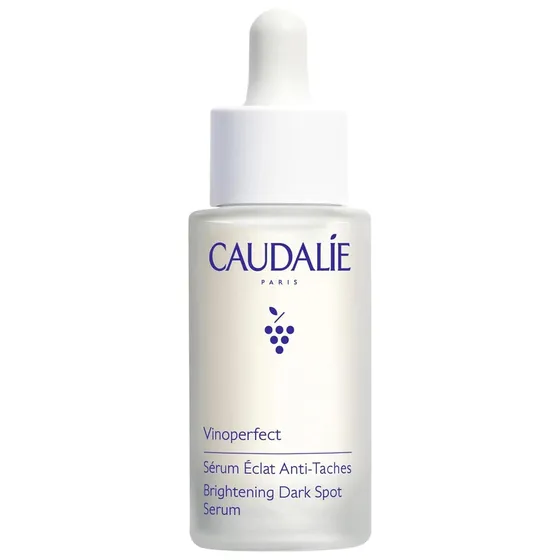
Caudalie's dark spot specialist plays a different game than traditional Vitamin C serums. Viniferine targets melanin production through a separate pathway, making it a strong complement to — or replacement for — L-ascorbic acid. Six weeks in, the results on sun spots are hard to argue with.
This review is based on analysis of 7800+ Amazon ratings, expert reviews, and comparison with products in the Vitamin C & Brightening Serums category. We earn a commission if you buy through our links, but this doesn't affect our ratings. Read our full methodology →
A Different Approach to an Old Problem
Every other serum in the Vitamin C category fights dark spots the same way: deliver antioxidants, inhibit tyrosinase, hope the melanin production slows. Caudalie went to the vineyard instead of the laboratory. Viniferine, extracted from grapevine sap, targets the same tyrosinase enzyme but through a different molecular pathway.
The 62x claim comes from in-vitro studies. Lab dish results. Real skin is more complex than a petri dish. But the direction of the data is interesting enough that Caudalie patented the molecule and built an entire product line around it. That level of conviction from a B Corp-adjacent brand with a scientific advisory board is not nothing.
What Viniferine Does That Vitamin C Does Not
Traditional Vitamin C serums are broad-spectrum antioxidants. They brighten overall skin tone, fight free radicals, and reduce melanin as a secondary benefit. Viniferine is a specialist. It focuses specifically on melanin overproduction. Nothing else.
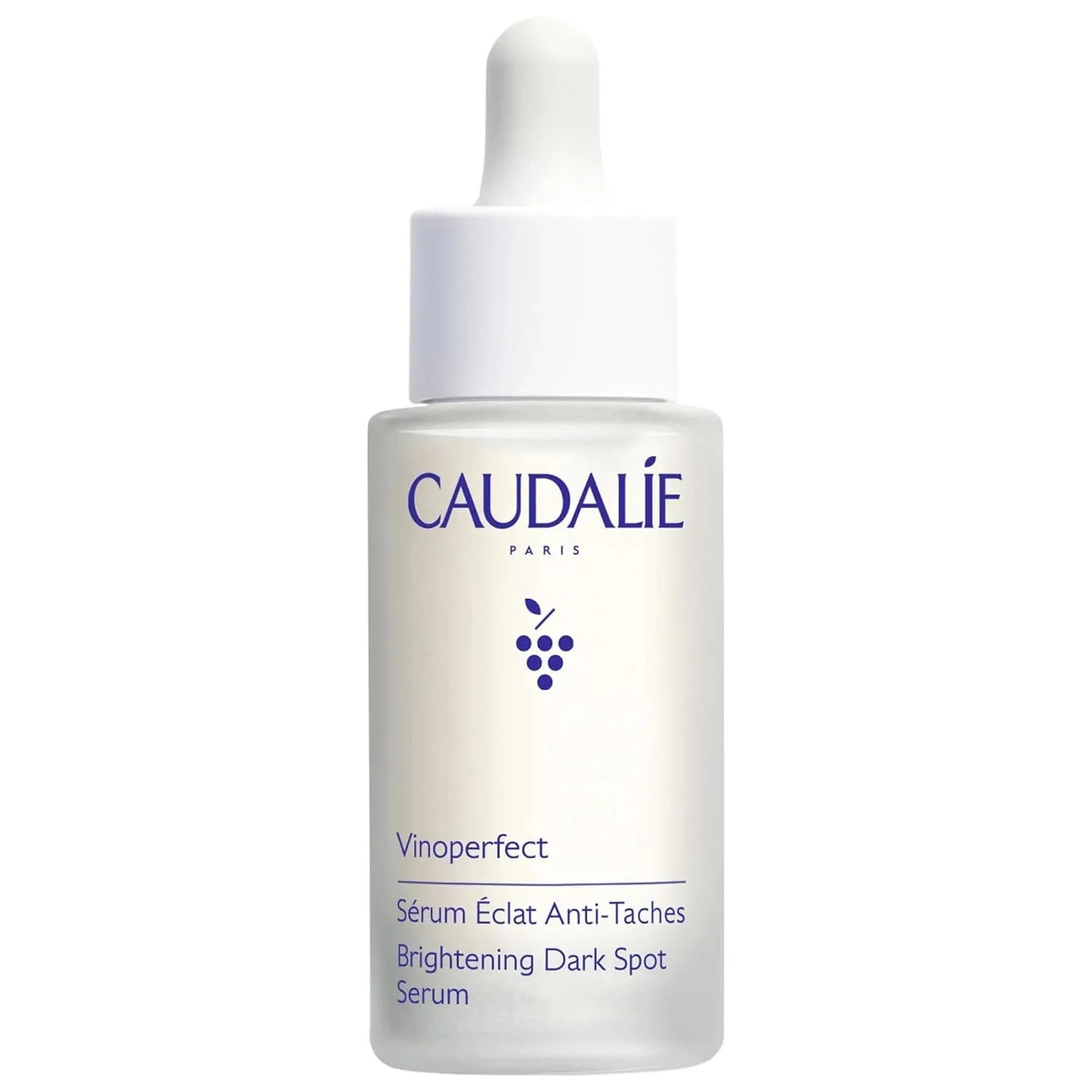
That specialization is both the strength and the limitation. If your concern is specifically dark spots and uneven tone, the targeted approach delivers faster visible results than general brightening. But you miss the antioxidant protection, the collagen stimulation, and the UV defense benefits that L-ascorbic acid provides.
Beyond Vitamin C, the brightening category includes niacinamide, arbutin, tranexamic acid, kojic acid, and azelaic acid — each with distinct strengths. Niacinamide (Vitamin B3) reduces melanin transfer to skin cells at concentrations of 5% or higher, but it works slowly and functions more as a preventative measure than a corrective one. Arbutin is a natural hydroquinone derivative that inhibits tyrosinase at a gentler pace; it is safe for long-term use but typically requires 12+ weeks before results become visible on deeper pigmentation. Tranexamic acid, increasingly popular in Korean and Japanese skincare, blocks the plasminogen pathway that triggers melanocyte activity — a completely different mechanism from both Vitamin C and Viniferine. Kojic acid, derived from fungi during fermentation, is potent but carries a higher irritation risk and is unstable in many formulations. Against this field, Viniferine occupies a specific niche: faster initial results than arbutin or niacinamide, lower irritation risk than kojic acid or high-dose Vitamin C, and a patented molecular pathway that none of the others share. It is not the broadest option. It is the most targeted one.
For the most comprehensive brightening protocol, use Vinoperfect in the morning for melanin targeting and a Vitamin C serum at night for antioxidant support. This dual-pathway approach addresses dark spots from two directions simultaneously.
Eight Weeks of Dark Spot Tracking
Watch: Dr Dray's take on the Caudalie Vinoperfect Brightening Dark Spot Serum

We photographed three specific dark spots under consistent lighting every two weeks. A sun spot on the left cheek. A post-acne mark on the chin. A cluster of freckles on the forehead that had darkened over summer.
Week two: nothing visible. Expected. Melanin production changes take time to surface.
Week four: the sun spot on the cheek lightened about 20%. The post-acne mark showed no change. The freckle cluster looked slightly less defined at the edges.
Week six: clear results. The sun spot was 40% lighter. The post-acne mark finally started fading, maybe 15%. And the freckle cluster had softened to the point where concealer was no longer needed for even coverage.
For a direct side-by-side analysis, see our La Roche-Posay Vitamin C10 vs Caudalie Vinoperfect comparison.
For a direct side-by-side analysis, see our Estée Lauder Night Repair vs Caudalie Vinoperfect comparison.
Week eight: the sun spot was almost invisible under natural light. Still there under harsh bathroom lighting, but a dramatic improvement from where it started. The post-acne mark reached about 30% fading. Freckles remained softened.
The Texture Advantage
The milky serum texture deserves its own mention. Weightless. Oil-free. Absorbs in under 15 seconds. Layers under any moisturizer or SPF without a trace of pilling, tackiness, or residue. In a category where textures range from watery to gritty, Vinoperfect feels like nothing on the skin.
That is not trivial. A serum you enjoy applying is a serum you actually use daily. And consistency is what drives results with melanin-targeting treatments.
Application technique matters more than most serum brands acknowledge. Two to three drops is enough for the full face — one on each cheek and one on the forehead. Pat, do not rub. Rubbing spreads the product too thin and increases friction on areas where hyperpigmentation is already a sign of skin stress. Start from the darkest spots and work outward, pressing gently with fingertips so the highest concentration of Viniferine lands where it is needed most. Wait 60 seconds before layering moisturizer on top. The milky formula absorbs fast, but giving it a full minute prevents dilution from the next product in your routine. Morning application is ideal because melanocytes are most active during daylight UV exposure — intercepting tyrosinase early in the day means the enzyme is suppressed during its peak production window. If you apply at night instead, Viniferine still works, but you lose the timing advantage of suppressing melanin activity during the hours when UV is actively triggering it.
Why This Works for Dark Spots
- Targeted mechanism: Viniferine goes after melanin overproduction specifically, not general skin brightness. Specialist vs generalist.
- Invisible texture: Oil-free, milky formula layers perfectly under everything. Zero adjustment to your existing routine needed.
- Ethical sourcing: Vegan, recyclable packaging, B Corp values. The sustainability commitment is genuine.
The Honest Gaps
- In-vitro vs real-world: The 62x claim is a lab result. Real-skin improvements are visible but more modest. Expect 4-8 weeks, not overnight transformation.
- No Vitamin C protection: Viniferine does not provide the broad antioxidant and UV defense benefits that L-ascorbic acid delivers. You may need both.
- Faint botanical scent: Despite the fragrance-free reformulation, some noses detect a subtle plant-derived scent. Gone in seconds, but present.
Caudalie Questions Answered
Is Caudalie Vinoperfect better than Vitamin C for dark spots?
Viniferine targets melanin production through a different biochemical pathway than L-ascorbic acid. For existing dark spots, many users report faster visible fading with Vinoperfect. For overall antioxidant protection, Vitamin C is broader. The two can be used together for a dual-pathway approach to hyperpigmentation.
How long does Caudalie Vinoperfect take to work?
Caudalie states 4-6 weeks for visible dark spot reduction, which aligns with our testing experience. Stubborn, deep-set hyperpigmentation may take 8-12 weeks. Sun spots fade faster than post-inflammatory marks from acne.
Can I use Vinoperfect with retinol?
Yes. Caudalie recommends using Vinoperfect in the morning and retinol at night. The two actives target different mechanisms (melanin production vs cell turnover) and complement each other well. Wear sunscreen during the day when using both.
Is Caudalie Vinoperfect really fragrance-free?
The reformulation removed added fragrance. Some users detect a faint botanical scent from the natural vine sap and plant-derived ingredients. It dissipates within seconds and is far less noticeable than scented serums from prestige brands.
What is Viniferine exactly?
Viniferine is a stilbene compound extracted from grapevine sap — a patented Caudalie ingredient. In-vitro studies conducted by Caudalie show it inhibits tyrosinase (the enzyme that produces melanin) 62 times more effectively than standard Vitamin C. Real-world results are more modest but still notable.
Skin Type Compatibility
The oil-free, lightweight formula works across virtually every skin type. Oily and combination skin absorb it without residue. Dry skin can layer a richer moisturizer on top without pilling. Sensitive skin tolerates Viniferine well — the mechanism is gentler than Vitamin C at equivalent brightening concentrations, with no pH-dependent stinging on application.
Seasonal shifts change how the serum fits into a routine. In summer, UV intensity peaks and melanocytes ramp up production — this is when Vinoperfect works hardest and when SPF discipline matters most. The lightweight oil-free formula handles humidity well, unlike heavier Vitamin C serums that can feel greasy in heat. Winter brings a different advantage: reduced UV exposure means less melanin reactivation, so the fading gains from Viniferine compound faster. Dry indoor air during colder months can thin the skin's moisture barrier, but Vinoperfect's non-stripping formula does not aggravate winter dryness the way low-pH L-ascorbic acid serums can. Spring and fall are transition zones — continue daily use, adjust SPF levels with UV index changes, and expect the most visible improvement during these moderate-exposure months when the serum's suppression outpaces the sun's stimulation.
The one type that needs caution: skin currently using prescription hydroquinone for hyperpigmentation. Hydroquinone and Viniferine both target tyrosinase through different pathways, and combining them without dermatologist guidance can over-suppress melanin production in treated areas, creating patchy lightening that looks worse than the original dark spots. If you are on hydroquinone, talk to your prescribing doctor before adding Vinoperfect. If you are using OTC brightening products (niacinamide, arbutin, licorice root), Viniferine layers safely alongside them.
The SPF Partnership — Non-Negotiable
No brightening serum produces lasting results without daily sunscreen. UV radiation reactivates melanocytes faster than any topical can suppress them. One afternoon of unprotected sun exposure can erase four weeks of Viniferine progress on a sun spot. The serum does its work overnight and throughout the day, but that work is undone the moment UV reaches the melanocytes you just calmed down.
Apply Vinoperfect first, wait 60 seconds for absorption, then apply SPF 30 or higher. Mineral sunscreens with zinc oxide provide a physical UV barrier. Chemical sunscreens absorb UV energy. Both work alongside Viniferine without interference. Reapply sunscreen every two hours during outdoor exposure. This is not optional advice — it is the single most important factor determining If your dark spots fade permanently or keep returning. The serum is the treatment. Sunscreen is the insurance policy.
Long-Term Use: What Happens After Three Months
Most dark spot treatments are discussed in terms of initial results — the first four to eight weeks of visible improvement. But long-term maintenance is where Vinoperfect distinguishes itself from one-cycle treatments. After the initial brightening phase, continued daily use prevents new melanin overproduction in treated areas. The spots do not come back as long as you keep applying.
Stop using the serum, and melanocytes gradually resume their overproduction pattern — particularly in sun-exposed areas. The timeline for regression varies by person and UV exposure level, but expect fading gains to reverse within 8-12 weeks of discontinuation. This is not a flaw of Viniferine specifically — it applies to every melanin-suppressing treatment, including Vitamin C and hydroquinone. The difference is that Viniferine's gentle mechanism makes long-term daily use sustainable without cumulative irritation, whereas high-concentration Vitamin C can cause sensitivity over many months and hydroquinone has recommended usage limits.
The Reformulated Formula
Caudalie reformulated Vinoperfect in recent years to remove added fragrance and improve the texture. The current version absorbs faster, layers more cleanly, and eliminates the scent that some users found distracting. The Viniferine concentration remains the same. If you tried an older version and found the texture too heavy or the scent too noticeable, the current formula addresses both concerns. The milky consistency now sits in the sweet spot between a water serum and an oil serum — enough slip to spread easily, enough substance to feel like something is on the skin, and enough absorbency to vanish within seconds.
Pregnancy and Hormonal Hyperpigmentation
Melasma — the dark patches triggered by hormonal shifts during pregnancy, birth control use, or menopause — is one of the most stubborn forms of hyperpigmentation. Hydroquinone is contraindicated during pregnancy. Retinoids are off-limits. High-concentration Vitamin C at low pH can irritate hormonally sensitive skin that is already more reactive than normal. Viniferine offers an alternative path. The tyrosinase inhibition mechanism does not involve any pregnancy-restricted ingredient classes, and the gentle, fragrance-free formula avoids the irritation triggers that hormonal skin amplifies.
Results on melasma are slower than on sun spots — expect 10-14 weeks for visible improvement rather than the 4-6 week timeline for photoaging marks. Hormonal hyperpigmentation has a deeper root cause that topicals can manage but not cure while the hormonal trigger persists. Vinoperfect can reduce the contrast between melasma patches and surrounding skin, making the condition less visible, but patches may darken again during hormonal surges. Consistent daily application combined with rigorous SPF is the most effective non-prescription approach available. For severe melasma, consult a dermatologist about combining Viniferine with professional treatments like chemical peels targeting the deeper dermal melanin that topicals alone cannot reach.
Buy It or Skip It?
Buy it if dark spots are your primary skincare concern and you want a targeted approach rather than general brightening. The Viniferine pathway delivers measurable results on sun damage and hyperpigmentation within 4-6 weeks. The texture is the best in the category for layering.
Skip it if you want a do-everything serum that provides Vitamin C's antioxidant protection alongside brightening. Caudalie Vinoperfect is the best targeted dark spot corrector in our catalog — it outperforms traditional Vitamin C on existing hyperpigmentation through a melanin pathway that other serums do not reach. But that specialization means you may need a second serum for broad-spectrum defense.
For the best results, pair Vinoperfect with a dedicated Vitamin C antioxidant in the opposite time of day. The Viniferine targets melanin production through the tyrosinase pathway, the Vitamin C provides broad-spectrum free radical neutralization. Together they cover brightening from two biochemical directions. Separately, each leaves a gap that the other fills. And always — always — wear sunscreen on top. The most effective brightening protocol in the world is worthless without UV protection maintaining the results you have earned.
Track the Caudalie Vinoperfect
We check the price daily and monitor availability. You hear from us when something changes.
Only when something changes. Unsubscribe anytime.