Obagi Professional-C 20% vs Tatcha Brightening Serum: Which Is Better in 2026?
The dermatology clinic versus the Japanese beauty house. Obagi Professional-C clinical serum hits your skin with 20% L-ascorbic acid all at once — the strongest research-backed dose available without a prescription. Tatcha Brightening Serum takes the opposite approach, releasing Vitamin C over 12 hours through time-release capsules wrapped in Japanese botanicals. With Tatcha modestly more expensive than Obagi, the decision comes down to intensity versus sustained elegance.
Quick Verdict: Obagi wins for users who prioritize raw potency and fast results. Tatcha wins for those who want a luxurious daily experience with sustained Vitamin C delivery. These serve different people — the clinical-minded and the ritual-minded — and both are effective in their own right.
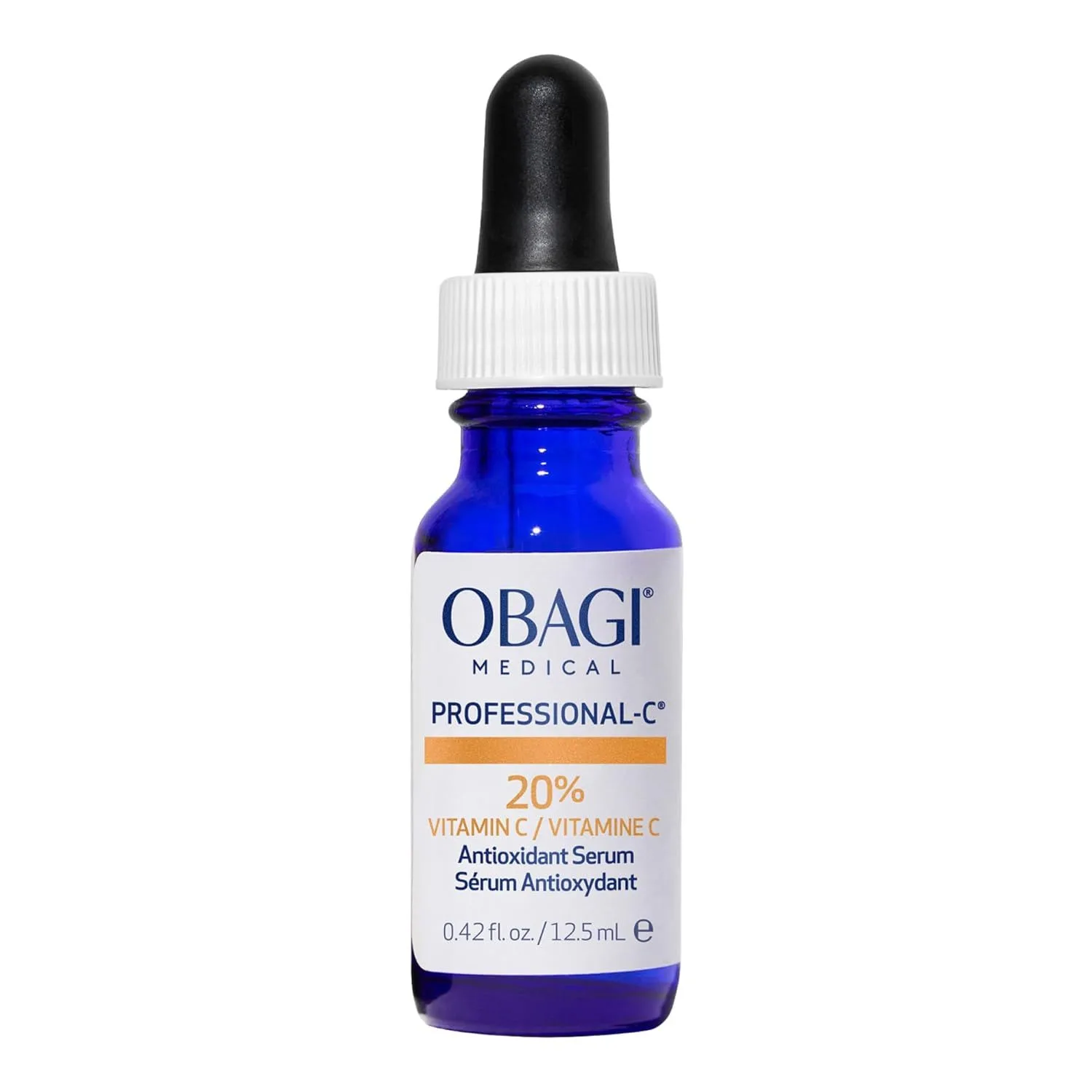
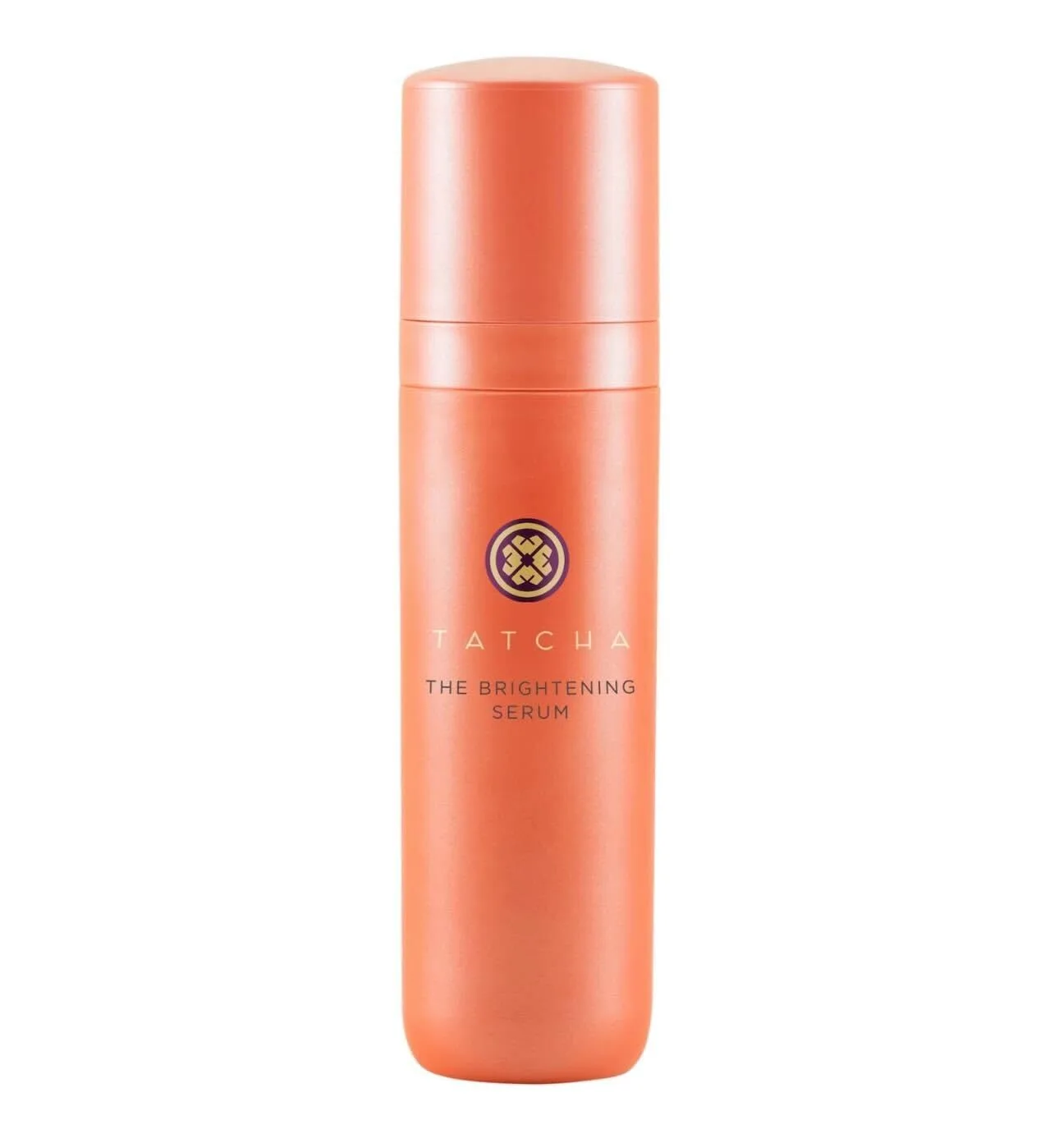
At a Glance
| Feature | Obagi Professional-C Serum 20% | Tatcha The Brightening Serum |
|---|---|---|
| Price Range | $50–$100 | $50–$100 |
| Size | 30ml / 1 fl oz | 30ml / 1 fl oz |
| Best Skin Type | Normal to oily, resilient skin | All skin types |
| Key Ingredient | 20% L-Ascorbic Acid | Time-Release Vitamin C + Ferulic Acid |
| Active Concentration | 20% L-Ascorbic Acid | Time-release (undisclosed %) |
| Texture | Fluid serum | Silky fluid serum |
| Fragrance | Fragrance-free | Light botanical |
| See Availability | See Availability |
Instant Flood vs Slow Drip: Which Delivery Method Works Better?
Obagi delivers 20% L-ascorbic acid in one immediate dose. Your skin gets the full concentration the moment you apply. The result: faster visible brightening, faster antioxidant saturation, faster everything. But also faster irritation potential. Tatcha's 12-hour time-release system distributes Vitamin C gradually. The peak concentration at any given moment is lower, but the total exposure over a day may be comparable. Sustained delivery means sustained protection — your Vitamin C is still active at 3pm, not depleted by noon. Both methods have merit. Obagi wins the sprint. Tatcha runs the marathon.
The clinical literature on L-ascorbic acid absorption supports the immediate-delivery model for short-term brightening goals. Skin absorbs the most Vitamin C during the first 15 minutes of contact, and a higher starting concentration means more molecules penetrate through the stratum corneum before the absorption window narrows. Obagi's approach maximizes this peak absorption period. Tatcha trades peak penetration for duration — the capsules dissolve at staggered intervals, resupplying the skin's Vitamin C reservoir as earlier doses are metabolized. For someone concerned about afternoon UV exposure undoing morning protection, Tatcha's extended delivery schedule addresses a real vulnerability that single-dose serums leave open.
pH plays a direct role in how much L-ascorbic acid actually crosses the skin barrier. Obagi formulates at a pH near 2.5 — low enough to keep the acid in its un-ionized, permeable form. At this pH, roughly 15-18% of the applied dose penetrates into the viable epidermis during the first absorption window. Tatcha's encapsulated formula operates at a more skin-neutral pH upon release, meaning each individual micro-dose penetrates at a lower percentage — but releases fresh material for hours after the initial application. The net result over a full workday is closer than the concentration labels suggest. If you measure effectiveness by the peak Vitamin C level in the skin at any one moment, Obagi wins. If you measure by the total Vitamin C delivered across a full waking cycle, the gap narrows considerably.
The Antioxidant Supporting Cast
Tatcha surrounds its Vitamin C with ferulic acid, Japanese plum extract, and the Pro-Glutathione Antioxidant Booster — a multi-layered antioxidant network. Each ingredient brings a different protective mechanism. Obagi is 20% L-ascorbic acid and... that is essentially it. No ferulic acid, no Vitamin E, no additional antioxidant boosters. The concentration does the heavy lifting alone. For comprehensive antioxidant defense, Tatcha's supporting cast gives it a measurable advantage. For pure Vitamin C intensity, Obagi does not dilute its focus.
Ferulic acid deserves specific attention here. Research published in the Journal of Investigative Dermatology showed that combining Vitamin C with ferulic acid doubles the photoprotection factor compared to Vitamin C alone. Tatcha includes ferulic acid; Obagi does not. That missing ingredient means Obagi's 20% concentration, while higher in raw Vitamin C, may deliver less effective antioxidant protection against UV-generated free radicals than Tatcha's lower concentration paired with ferulic acid. The glutathione booster in Tatcha's formula adds another layer — glutathione recycles oxidized Vitamin C back into its active form, extending the functional life of each dose on the skin. Obagi's solo approach relies entirely on concentration to compensate for the lack of synergistic support.
The Japanese plum extract in Tatcha's formula adds a dimension that Obagi's pure-concentration approach cannot match. Prunus mume extract functions as a secondary brightening agent that works through a different pathway than Vitamin C — it inhibits melanin transfer from melanocytes to surrounding keratinocytes, while Vitamin C inhibits melanin production itself. Two mechanisms attacking pigmentation from two directions produce faster, more uniform brightening than either agent alone. Obagi relies on L-ascorbic acid to handle both melanin production and the broader antioxidant defense simultaneously. When one ingredient carries every responsibility, it excels at none of them as well as a coordinated team would.
Does the Skincare Ritual Matter for Results?
Tatcha's silk-textured formula, Japanese botanical scent, and pump packaging turn application into something you look forward to. The Hadasei-3 complex (rice, algae, green tea) softens skin on contact. Obagi is a clinical fluid — effective, fast-absorbing, unremarkable to apply. Neither texture nor scent was a design priority. Over six months of daily use, the product you enjoy applying is the one you will actually use consistently. And consistency determines results more than any single formula difference. This is not a superficial distinction.
Tolerance and First Impressions
Obagi stings for the first 30 seconds on most skin types at 20% concentration. That is the low pH required for L-ascorbic acid penetration doing its job. Some users acclimate within a week. Others never enjoy it. Tatcha's time-release system eliminates the concentration spike that causes stinging. First application feels smooth, gentle, and pleasant. If you are stepping up from a 10% Vitamin C, Tatcha is the smoother transition. If you are already using clinical-grade actives, Obagi's tingle is familiar territory.
The tolerance question extends beyond initial sensation. Over weeks of daily use, Obagi's 20% concentration can cause cumulative dryness — the low pH strips some natural oils from the skin's surface layer with each application. Users who do not follow with a rich moisturizer and SPF often report increased flakiness around the nose and chin by week three. Tatcha's gentler delivery profile avoids this cumulative drying effect entirely. The botanical oils in the formula actually replenish some surface lipids as the Vitamin C releases, creating a net-neutral moisture impact rather than a deficit. For people in dry climates or those who already struggle with dehydration lines, Tatcha's formula works with the skin's moisture balance rather than against it. Obagi works despite the moisture impact, relying on your supporting products to compensate for what it strips away.
Speed to Visible Brightening
Obagi wins here definitively. At 20% L-ascorbic acid, visible brightening appears within 2-3 weeks. By week four, the firming effect is noticeable. Tatcha's gentler approach shows initial brightening around week 3-4, with the full range of benefits developing over 6-8 weeks. If you have an event in two weeks and need visible results fast, Obagi is the tool for the job. If you are building a long-term routine, Tatcha's steady approach produces results that are just as real — they simply take longer to appear.
The collagen synthesis timeline tells a similar story. L-ascorbic acid is a required cofactor for collagen production — without it, fibroblasts cannot properly cross-link collagen fibers. At 20%, Obagi saturates the dermal layer with enough L-ascorbic acid to support maximum collagen output within the first application cycle. Users often notice firmer skin texture around the jawline and under-eye area by week five or six. Tatcha's lower peak concentration still supports collagen synthesis, but the timeline stretches to 8-10 weeks before the firming benefits become visible. For someone treating early fine lines around the eyes or forehead, Obagi's acceleration matters — those lines respond best to aggressive early intervention rather than gradual maintenance.
Stability and Shelf Life: The Oxidation Race
L-ascorbic acid is inherently unstable. It oxidizes on contact with air, light, and heat — turning amber, then brown, as potency declines. Obagi uses a dark glass bottle to slow this process, but the clock starts ticking the moment you open it. At 20% concentration, the formula remains potent for 8-10 weeks after opening. By week 12, oxidation has reduced effectiveness measurably. If you do not finish a bottle in that window, you are applying a degraded product. This is the hidden cost of high-concentration L-ascorbic acid — you are buying potency with a timer attached.
Tatcha's time-release encapsulation protects the Vitamin C inside microscopic capsules until the moment they dissolve on your skin. This engineering dramatically extends shelf stability. An opened bottle maintains potency for 3-4 months — roughly double Obagi's window. For people who use serums sparingly or forget the occasional morning, Tatcha's stability advantage means less wasted product and more consistent results over the life of the bottle. The encapsulation adds cost to the formula, but it also adds value by ensuring the Vitamin C you paid for is actually the Vitamin C you apply.
Storage conditions amplify the difference. Obagi belongs in a cool, dark cabinet — bathroom counters with overhead lighting and shower humidity accelerate oxidation. Tatcha's encapsulated formula is more forgiving with storage. If your bathroom is warm and humid (most are), Tatcha's stability gives it a practical edge that the spec sheet does not capture. The best Vitamin C serum in the world is worthless if it oxidizes before you finish the bottle.
Dark Spot Treatment: Which Fades Faster?
Vitamin C inhibits tyrosinase — the enzyme responsible for melanin production. Both serums address dark spots through this mechanism, but the speed and approach differ. Obagi's 20% L-ascorbic acid overwhelms tyrosinase with concentration. The immediate dose saturates the melanin pathway and produces visible spot fading within 2-3 weeks. Stubborn post-acne marks and sun spots lighten noticeably within the first month.
Tatcha's sustained delivery keeps tyrosinase inhibited throughout the day rather than hitting it hard once. The 12-hour release means melanocytes are receiving a constant "slow down" signal rather than a single burst. The result is slower initial fading (3-4 weeks to first noticeable change) but potentially more even results over time because the inhibition is consistent. For melasma specifically — which responds to sustained treatment better than intermittent high doses — Tatcha's approach may have an advantage that a single-dose formula cannot replicate. Our dark spot treatment guide covers additional strategies.
The type of dark spot matters for this decision. Post-inflammatory hyperpigmentation from acne — which sits closer to the skin surface and involves recently activated melanocytes — responds well to Obagi's high-intensity approach. The 20% concentration overwhelms the melanin pathway quickly, and surface-level spots fade within the first month. Deeper sun damage spots — the ones that have accumulated over years and involve melanin deposits in the dermis — respond better to sustained inhibition over months. Tatcha's time-release delivery is better suited to this slower, deeper fading process. If your spots are fresh (less than six months old), Obagi's speed advantage is real. If they are long-established, Tatcha's persistence is the more effective strategy.
For a broader view of Vitamin C options at every price tier, see our best vitamin C serums roundup. SPF determines 80% of the dark spot outcome regardless of which serum you choose. Both serums are morning products applied before sunscreen. UV exposure reactivates the melanocytes that Vitamin C is trying to calm. One unprotected afternoon erases weeks of brightening progress. The serum difference matters, but the SPF habit matters more. Apply either serum, then SPF 30+, every single morning — even overcast mornings, even work-from-home mornings near a window.
The Morning Routine Fit: How Each Layers Under Makeup
Obagi's thin clinical fluid absorbs in under 30 seconds and leaves no residue, slip, or tackiness. It disappears into the skin completely, making it invisible under moisturizer, SPF, and makeup. If you apply primer and foundation over it, there is no pilling, no interaction, no disruption to the base layer. For a quick morning routine (serum, moisturizer, SPF, done), Obagi's formula is invisible in the stack.
Sunscreen interaction matters with both products. Obagi's low-pH formula can temporarily destabilize certain chemical sunscreen filters — particularly avobenzone — if applied immediately before SPF. A two-minute wait between Obagi and sunscreen allows the serum to fully absorb and the skin's pH to normalize. Tatcha's higher-pH time-release formula does not carry this risk. Its botanical base functions as a primer layer that helps mineral sunscreens spread more evenly. For a smooth morning sequence of Vitamin C followed by SPF without a waiting step, Tatcha removes a variable that Obagi introduces.
Tatcha's serum has a slightly silkier, more emollient texture. It absorbs well but leaves a subtle dewy finish on the skin surface — the Japanese botanical oils contribute a luminosity that some people love as a makeup primer effect and others find too slippery under foundation. If you wear full-coverage foundation, wait 2-3 minutes after applying Tatcha before your next step. If you wear minimal makeup or no makeup, the dewy finish is a feature, not a bug — it gives bare skin a lit-from-within quality that Obagi's clinical texture does not provide.
Who Should Get Which?
Get Obagi Professional-C 20% If...
- You want the fastest possible brightening and firming results
- Your skin is resilient and experienced with clinical-grade actives
- You prefer a no-nonsense formula that prioritizes efficacy over experience
- You commit to finishing a bottle within 8-10 weeks of opening
Get Tatcha Brightening Serum If...
- You value a sensorial daily ritual alongside skincare results
- Your skin prefers gentle, sustained delivery over high-concentration bursts
- You want a multi-antioxidant formula that works beyond just Vitamin C
- You enjoy Japanese beauty philosophy and the Tatcha brand experience
Frequently Asked Questions
Is Tatcha's time-release Vitamin C as effective as Obagi's 20%?
They work differently. Obagi delivers 20% all at once for an intense, immediate dose. Tatcha's time-release system distributes Vitamin C over 12 hours for sustained activity. Obagi produces faster visible results; Tatcha provides more consistent protection throughout the day.
Which is better for someone new to Vitamin C?
Tatcha is the gentler introduction. The time-release delivery avoids the initial concentration spike that causes Obagi's characteristic sting. If you have never used Vitamin C at clinical concentrations, Tatcha eases you in. Obagi is for users who already know their skin can handle potent actives.
Do these serums have different textures?
Very different. Obagi is a thin, clinical fluid that absorbs quickly with minimal feel on the skin. Tatcha is a silky, slightly richer serum with a Japanese botanical luxury feel. Obagi feels medical. Tatcha feels indulgent. Both absorb well under moisturizer.
Can I use either with retinol at night?
Apply either serum in the morning before SPF for maximum antioxidant benefit. Use retinol at night as a separate step. Both serums pair well with retinol when used at opposite times of day — the combination covers brightening (morning) and resurfacing (evening).
Which lasts longer once opened?
Tatcha's time-release encapsulation is more stable than Obagi's free L-ascorbic acid in solution. Obagi should be used within 8-10 weeks of opening before significant oxidation occurs. Tatcha's formula maintains potency for a longer window — roughly 3-4 months.
Skin Type Suitability: Who Tolerates What
Oily and resilient skin types handle Obagi's 20% concentration best. The thin fluid absorbs quickly on oily skin, and the natural oil layer provides some buffering against the low-pH irritation. Oily skin also benefits most from Vitamin C's sebum-regulating secondary effect — L-ascorbic acid at high concentrations mildly reduces oil production over time, which is a welcome side effect for oily types and an unwelcome one for dry types who need their natural oils.
Dry and sensitive skin types lean toward Tatcha. The time-release delivery avoids the concentration spike that causes the most irritation in the first 30 seconds after application. The botanical oils in the formula provide an emollient base that dry skin appreciates, and the gradual release means the total irritation burden over 12 hours is distributed rather than frontloaded. Rosacea-prone skin should choose Tatcha without hesitation — the low-pH burst from 20% L-ascorbic acid can trigger a flare that takes days to calm.
Combination skin can go either way. Apply Obagi if your T-zone is resilient and your brightening goals are aggressive. Choose Tatcha if your cheeks tend toward dryness or sensitivity. A third option for combination skin: apply Obagi to the T-zone only (forehead, nose, chin) and Tatcha to the more delicate cheek and eye areas. This zone-specific approach uses each product where it works best.
Skin that has recently undergone professional treatments — chemical peels, laser sessions, microdermabrasion — needs extra caution with both products, but particularly with Obagi. The compromised barrier after a professional peel cannot handle 20% L-ascorbic acid at a low pH — applying Obagi too soon after a treatment risks prolonged redness, stinging that does not subside, and in severe cases, post-inflammatory hyperpigmentation from the very product meant to treat it. Wait a minimum of 7-10 days after any resurfacing procedure before reintroducing Obagi. Tatcha's time-release system is safer to reintroduce earlier — most estheticians clear it at 5-7 days post-procedure — because the gradual delivery avoids the pH shock that freshly resurfaced skin cannot tolerate.
Annual Cost and Usage Math
A 30ml bottle of Obagi lasts 6-8 weeks with daily use (3-4 drops per application). But it must be finished within 8-10 weeks of opening before oxidation degrades it. This creates a use-it-or-lose-it dynamic that effectively sets the replacement cycle at 2 months regardless of how much remains in the bottle. At roughly 6 bottles per year, the annual cost is substantial — but you are getting the highest OTC concentration available with each bottle.
Tatcha's 30ml bottle lasts 8-10 weeks with daily use, and the encapsulation extends the potency window to 3-4 months after opening. This means you can use the full bottle without racing oxidation. At roughly 5 bottles per year, the annual cost is comparable to Obagi despite the higher per-bottle price, because each bottle delivers effective product for its entire lifespan rather than degrading partway through.
Factor in the supporting products each serum demands. Obagi's aggressive pH requires a rich moisturizer afterward — most dermatologists recommend a ceramide-based barrier cream to offset the stripping effect. That adds another product to the annual budget. Tatcha's botanical formula is gentle enough that a lighter moisturizer suffices, and some users with oily skin skip moisturizer entirely after Tatcha without experiencing dryness. The total routine cost — serum plus necessary support products — tilts the comparison further than the serum-only price suggests.
The hidden cost with Obagi is waste. If you travel for two weeks mid-bottle, that is two weeks of oxidation with no usage to show for it. If you skip mornings occasionally — which most people do — the bottle degrades faster than you consume it. Tatcha's encapsulated format means skipped days do not cost you potency.
Consistency matters here. For people with inconsistent morning routines or frequent travel schedules, the effective cost-per-use tips in Tatcha's favor even when the sticker price suggests otherwise.
The packaging also affects the daily cost calculus. Obagi's dropper dispenses an imprecise amount — some applications use 3 drops, others 5, depending on how quickly you squeeze. Over a full bottle, that inconsistency adds up to 10-15% product variance. Tatcha's airless pump dispenses a consistent dose every time: one press equals one application. The precision means you extract the maximum number of applications from each bottle without accidental over-dispensing. For anyone tracking their skincare budget closely, the pump system pays for itself by eliminating the waste that dropper bottles inevitably create.
See Both Products in Action


Final Verdict
Long-term users report different satisfaction curves with these two products. Obagi delivers its biggest impact in the first month — the brightening effect is dramatic and fast, which creates high initial satisfaction. By month three, the incremental improvement slows because the skin has already adapted to the 20% concentration. Tatcha's satisfaction curve is the reverse: modest early results that build steadily, with users reporting their strongest satisfaction between months three and six as the cumulative brightening, firming, and texture improvements compound. The product you keep repurchasing a year from now depends on which satisfaction pattern matches your psychology — the fast reward or the slow build.
Obagi and Tatcha represent the two poles of premium Vitamin C: clinical maximalism vs refined luxury. For raw brightening speed, Obagi beats Tatcha with 20% L-ascorbic acid that produces visible results in two weeks — faster than almost any competitor. Tatcha wins on formula completeness — the ferulic acid and glutathione supporting cast outperforms Obagi's solo Vitamin C approach for sustained antioxidant defense. Obagi is the stronger tool at a mid-range price point. Tatcha is the better daily experience — time-release delivery, Japanese botanicals, and a formula you look forward to applying. Neither is wrong. The right choice depends on your approach — medical protocol or daily ritual. Most people benefit more from the one they will actually use every morning. For guidance on matching serums to skin type, read our serum selection buying guide.
Track Both Products
We'll email you if either price drops or availability changes.
Only when something changes. Unsubscribe anytime.