Best Luxury Skincare for Dry Skin
Chronically dry skin is not just uncomfortable — it accelerates visible aging. When your moisture barrier is compromised, fine lines look deeper, skin looks duller, and products absorb unevenly. The right luxury hydration strategy addresses dryness at multiple levels: pulling water in, locking it down, and repairing the barrier that keeps it there.
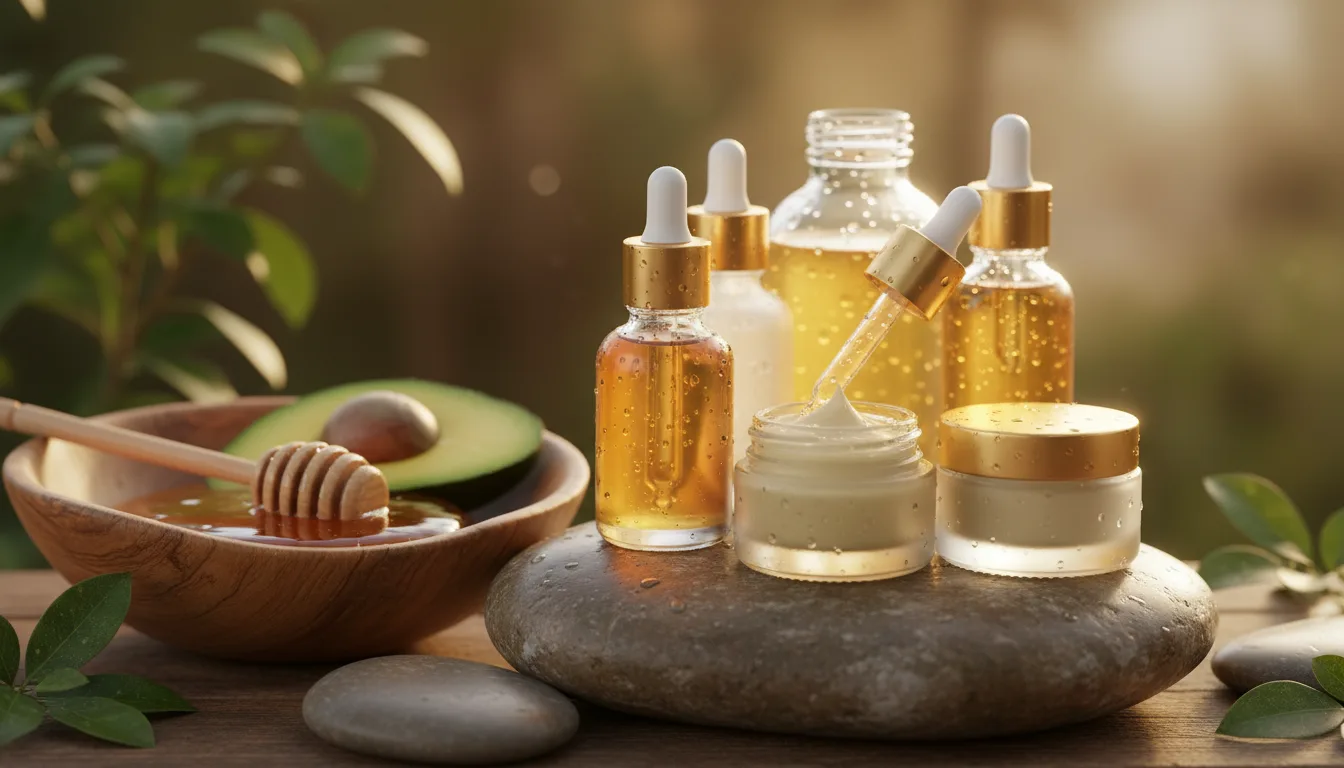
Understanding Why Your Skin Is Dry
Dry skin under-produces sebum — the natural oil that forms a protective film on your skin's surface. Without adequate sebum, moisture evaporates through the skin faster than it can be replaced. This is called transepidermal water loss (TEWL), and it is the core problem that every product in a dry-skin routine should address.
Genetics largely determine your skin type, but environment (dry climates, indoor heating), age (sebum production declines after 40), and over-cleansing can worsen dryness. Certain medications — including oral retinoids like isotretinoin, diuretics, and some cholesterol-lowering drugs — also deplete skin moisture from the inside out, making topical hydration even more important during treatment courses. The fix involves three layers of defense: humectants to pull moisture in, emollients to soften and smooth, and occlusives to seal it all together.
It also helps to understand where you fall on the dryness spectrum. Mildly dry skin feels tight after cleansing but responds quickly to a basic moisturizer — this type benefits most from adding a single humectant serum step. Moderately dry skin shows visible flaking around the nose, chin, and forehead, and requires the full three-layer approach described in this guide. Severely dry skin involves persistent roughness, cracking at the corners of the mouth or around the nostrils, and a constant feeling of tightness regardless of product application. At this level, occlusive nighttime treatments and environmental controls (humidifiers, avoiding forced-air heating when possible) become just as important as the products themselves.
Our Hydration Powerhouse Picks
Barrier-Repair Hydration: La Roche-Posay Hyalu B5
The La Roche-Posay Hyalu B5 is not just a hydrating serum — it is a repair serum. Dual-weight hyaluronic acid delivers moisture at two skin depths, while Madecassoside (from Centella Asiatica) actively heals the barrier. This combination makes it the best foundation layer for dry skin. Apply to damp skin immediately after cleansing to maximize absorption.
Dewy Moisture Lock: Tatcha The Dewy Skin Cream
Tatcha Dewy Skin Cream was formulated for dry skin types who want visible luminosity. Japanese purple rice provides antioxidant-rich hydration while Okinawan algae extract strengthens the moisture barrier. The dewy finish looks radiant rather than oily — dry skin wears this beautifully without any greasy residue.
Cellular-Level Repair: Augustinus Bader The Rich Cream
The Augustinus Bader Rich Cream addresses dry skin at the cellular level through TFC8 technology. Rather than just sitting on the surface, the formula guides repair nutrients to cells that need them most. The rich texture provides lasting comfort, and the refillable jar system means you can repurchase the inner pod without the outer vessel. For chronically dry skin that has not responded to standard moisturizers, this is the premium upgrade.
Overnight Seal: Drunk Elephant Virgin Marula Oil
Drunk Elephant Marula Oil is the final layer in your evening routine. After serum and moisturizer, two drops of 100% cold-pressed Marula oil seal everything in place overnight. Omega 6 and 9 fatty acids reinforce the lipid barrier while you sleep. Light enough to absorb without staining pillowcases — rich enough to make a measurable difference by morning.
The Luxury Experience: La Mer Moisturizing Cream
For those who want the pinnacle of hydration luxury, La Mer Moisturizing Cream delivers through its signature Miracle Broth — a bio-ferment of sea kelp, vitamins, and minerals. The warming ritual (rubbing between palms before pressing into skin) activates the formula. Whether the results justify the ultra-premium investment is personal — but the hydrating effect and morning-after radiance on dry skin is consistently reported.
Hydrating toner on damp skin → HA serum (like Hyalu B5) → moisturizer (Tatcha or Augustinus Bader) → facial oil (Marula Oil, evening only). Each layer adds and locks. Skipping any layer reduces the effectiveness of the layers above and below it.
Habits That Make Dry Skin Worse
- Hot water face washing. Hot water strips natural oils. Lukewarm only — your skin will thank you.
- Foaming cleansers. The surfactants that create foam also strip the lipid barrier. Switch to cream, balm, or oil cleansers.
- Over-exfoliation. AHAs and scrubs remove the dead cell layer that helps retain moisture. Once per week maximum for dry skin.
- Applying products to dry skin. Hyaluronic acid pulls moisture from wherever it can. On dry skin in dry air, it can pull from deeper skin layers. Always apply to damp skin.
- Skipping moisturizer because "it's summer." Dry skin needs hydration year-round. Lighter textures in summer, richer in winter — but never none.
Another habit worth reconsidering: relying on makeup as a moisture barrier. Tinted moisturizers and hydrating foundations can feel comfortable, but they are not formulated for barrier repair and often contain film-forming agents that sit on the surface without contributing to deeper hydration. Treat skincare and makeup as separate steps with separate objectives. A properly hydrated base makes foundation look better anyway — the coverage glides on more evenly and does not cling to dry patches the way it does on under-moisturized skin.
Humidifier strategy: A cool-mist humidifier in your bedroom maintains 40-60% humidity overnight, giving your skin and your hyaluronic acid serum a moisture-rich environment to work with. This single environmental change amplifies the effectiveness of every hydrating product you apply.
Ceramides: The Ingredient Dry Skin Cannot Live Without
Ceramides are lipids (fats) that make up roughly 50% of your skin's moisture barrier. Think of them as the mortar between the brick-like cells of your stratum corneum. When ceramide levels are depleted — through aging, harsh cleansers, or cold weather — the barrier develops microscopic cracks that let moisture escape and irritants enter. Replenishing ceramides topically is one of the most direct ways to repair a compromised dry-skin barrier.
The most effective ceramide products contain a ratio of ceramides, cholesterol, and fatty acids that mimics your skin's natural composition. CeraVe built its entire brand around this concept — three essential ceramides in a delivery vehicle that releases them over 24 hours. For dry skin specifically, look for ceramide NP, ceramide AP, and ceramide EOP on ingredient lists. Products that combine ceramides with hyaluronic acid (like La Roche-Posay Hyalu B5 paired with a ceramide moisturizer) create a repair-plus-hydration combination that addresses both the water deficit and the structural damage simultaneously.
One common mistake: choosing a ceramide moisturizer as your only hydration step. Ceramides repair the barrier but do not pull water into the skin the way humectants do. Without a hyaluronic acid serum underneath, the ceramide cream seals a moisture-poor layer — the barrier is intact, but there is little moisture inside it. Layer humectant first, ceramide cream second. The humectant provides the water; the ceramides lock it in. People with chronically dry skin who add this two-step pairing typically notice softer, less tight-feeling skin within the first three days — faster than either product delivers on its own.
Seasonal Adjustments: Summer vs Winter Dry Skin
Dry skin is not a static condition — it fluctuates with seasons, travel, and indoor environment. Winter is the worst season for dry skin. Cold outdoor air holds less moisture, and indoor heating drops humidity to 20-30% — well below the 40-60% range where skin stays comfortable. The combination strips moisture from every layer of your skin simultaneously. Winter dry skin needs richer products: swap gel moisturizers for cream textures — treatment creams like the Caviar of Switzerland Regeneration Cream pair deep nourishment with collagen-boosting peptides — add a facial oil as the final step, and increase your HA serum application from once to twice daily.
Summer dry skin is different. Humidity is higher, so humectants work better — your HA serum pulls moisture from the air more effectively. But air conditioning creates pockets of dry air indoors, and UV exposure damages the moisture barrier. Summer adjustments for dry skin: lighter moisturizer (gel-cream instead of heavy cream), the same HA serum, SPF with added moisturizing ingredients, and no facial oil during the day (it can cause shine and interfere with SPF). The evening routine stays heavier even in summer — nighttime repair does not care about the weather.
Air travel dehydrates every skin type, but dry skin suffers most. Cabin humidity drops to 10-15% — desert-level dryness. Apply a heavy layer of moisturizer before boarding, skip makeup, and reapply a hydrating mist or moisturizer every 2-3 hours during long flights. Some frequent travelers apply a thin layer of facial oil before takeoff as an occlusive barrier against the cabin air. Arriving at your destination with intact hydration is worth the extra effort.
Buy the full prestige routine (Augustinus Bader or La Mer as your anchor moisturizer) if you have persistent dryness that has not responded to mid-range products, if your skin is mature with declining sebum production, or if you value the sensory experience and long-term refill economics of premium packaging. Skip the ultra-premium tier if your dryness is mild and seasonal — a well-chosen pharmacy-luxury pairing like La Roche-Posay Hyalu B5 under Tatcha Dewy Skin Cream will deliver 80-90% of the hydration results at a fraction of the cost. Budget-conscious buyers should also consider that ingredient overlap between mid-range and prestige moisturizers is significant; the performance gap narrows considerably once you are layering a quality HA serum underneath.
When Dry Skin Signals Something More
Persistent, severe dryness that does not respond to a well-built hydration routine may indicate an underlying condition. Eczema (atopic dermatitis) causes intensely dry, itchy patches that flare and remit. Psoriasis produces thick, scaly plaques that look different from ordinary dryness. Thyroid disorders — particularly hypothyroidism — reduce oil production systemwide, causing dry skin that no amount of topical product can fully resolve.
If your dry skin includes itching that disrupts sleep, cracking that bleeds, sudden onset after years of normal skin, or patches that do not improve after 4-6 weeks of consistent moisturizing, see a dermatologist. The treatment may require prescription emollients, topical steroids for eczema flares, or blood work to check thyroid function. Luxury skincare products manage normal dry skin excellently — but they are not a substitute for medical treatment when the dryness has a clinical cause. We recommend starting here.
The Overnight Repair Protocol
Night is when your skin does its most intensive repair. Blood flow to the skin increases during sleep, growth hormone peaks, and cell turnover accelerates. For dry skin, this overnight window is the opportunity to deliver the heaviest hydration layers without worrying about how they feel under makeup or SPF. The evening protocol for chronically dry skin: cleanse with a cream or oil cleanser (never foaming), apply hyaluronic acid serum to damp skin, follow with your richest ceramide cream, and seal with 2-3 drops of facial oil. Some dry skin types add an occlusive sleeping mask once or twice per week for an extra repair boost — products like the Laneige Water Sleeping Mask or a thin layer of Aquaphor on particularly rough areas.
Morning reveals the results. Skin that felt tight and papery the night before should feel plump and smooth. If it does not, the issue is either the products (not occlusive enough to prevent overnight water loss) or the environment (bedroom humidity below 30%). Fix the environment first — a humidifier is cheaper than replacing products. If humidity is adequate and morning dryness persists, upgrade the occlusive layer: move from a standard cream to one with petrolatum, dimethicone, or shea butter as primary ingredients.
One detail that often goes overlooked: the time between cleansing and applying your first hydrating step matters more than most people realize. Ideally, your HA serum should reach damp skin within 60 seconds of patting your face with a towel. After that window, surface moisture begins evaporating rapidly, and the humectant has less water to bind. If your routine includes toner, apply it immediately to maintain that damp surface. Some dermatologists recommend skipping the towel entirely and applying serum directly to a wet face — this maximizes the water available for the humectant to pull into the upper layers of the epidermis and can make a noticeable difference by morning, especially during winter months when ambient moisture is low.
Frequently Asked Questions
What is the difference between dry skin and dehydrated skin?
Dry skin is a skin type — it under-produces sebum (oil). Dehydrated skin is a condition — it lacks water regardless of oil production. You can have oily yet dehydrated skin. Dry skin needs emollient-rich products. Dehydrated skin needs humectants like hyaluronic acid. Many people have both simultaneously.
Should dry skin avoid retinol?
No, but choose the right formula. Cream-based retinol (not gel or liquid) minimizes drying effects. Start once per week, apply over moisturizer (the "sandwich" method), and use a heavier moisturizer on retinol nights. Augustinus Bader Retinol Serum is virtually irritation-free.
How many layers of hydration does dry skin need?
Aim for 3 layers: hydrating toner or essence (water layer), hyaluronic acid serum (humectant layer), and moisturizer (emollient and occlusive layer). In extreme dryness, add a facial oil on top as a fourth layer to seal everything in. This layered approach is more effective than one thick cream alone.
Why does my skin still feel dry after applying moisturizer?
Your moisturizer may lack humectants. If it only has emollients (shea butter, oils) and occlusives (petrolatum, dimethicone), it seals moisture in but does not add water. Apply a hyaluronic acid serum to damp skin first — this pulls water into the skin. Then seal with your moisturizer.
Is facial oil better than moisturizer for dry skin?
They serve different functions. Moisturizer contains humectants, emollients, and occlusives in a balanced formula. Oil is purely occlusive — it seals moisture but does not add it. For dry skin, use both: moisturizer for hydration, then oil on top to lock it in. Oil alone on dehydrated skin traps the dryness underneath.
How much should I expect to spend on a full dry-skin routine?
It depends on the tier you choose. A pharmacy-luxury hybrid routine — pairing La Roche-Posay Hyalu B5 with a mid-range moisturizer — falls in the moderate price range and delivers strong results. Moving to a full prestige routine with Augustinus Bader or La Mer places you in the ultra-premium tier where individual products can cost as much as an entire drugstore routine. The good news is that mixing price tiers works well for dry skin: an affordable humectant serum under a prestige moisturizer often outperforms an all-premium or all-budget approach.
Can I use all five recommended products together?
You can, but most people will not need all five in a single routine. The Hyalu B5 serum, one moisturizer (Tatcha or Augustinus Bader), and Marula Oil form a complete three-step evening routine. La Mer can substitute for either moisturizer depending on your preference and budget. Using two heavy creams in the same routine is redundant — pick one and apply it properly rather than layering competing textures that can pill or sit on the surface.
Get Our Top 3 Picks
Get our top 3 picks for your budget — one email, then only updates.
Only when something changes. Unsubscribe anytime.
Watch: Dr. Aleksandra Brown's take on the Best Luxury Skincare for Dry Skin

Ready to Buy? Start Here
Based on this guide, our #1 recommendation:
La Mer Moisturizing Cream Best deep hydration for chronically dry skin — Miracle Broth intensive repair Read Full Review →