Vitamin C for Sensitive Skin | Safe Formulas
Sensitive skin and vitamin C have a complicated relationship. L-ascorbic acid requires an acidic pH that triggers stinging and flushing in reactive skin. But skipping vitamin C entirely means losing antioxidant protection, collagen stimulation, and brightening. The solution: choosing the right form and concentration for skin that fights back.
Why Standard Vitamin C Irritates Sensitive Skin
Standard vitamin C serums use L-ascorbic acid formulated at pH 3.0-3.5. That acidity is required for penetration but disrupts the skin barrier on contact, causing stinging, flushing, and prolonged redness in sensitive skin types with compromised lipid layers.
The irritation comes from the delivery conditions, not the vitamin C molecule itself. Pure ascorbic acid must sit at that low pH to remain stable and bioavailable. The acid temporarily opens tight junctions between corneocytes — the mechanism that enables penetration — but also the mechanism that causes pain in barrier-compromised skin. Healthy skin recovers from this disruption within minutes. The brief tingle is the barrier reorganizing.
Healthy, resilient skin recovers from this pH disruption within minutes. The brief tingle is the barrier reorganizing. But sensitive skin — whether from rosacea, eczema, overexfoliation, or genetic predisposition — has fewer intact lipid layers to buffer the acid. It penetrates faster, deeper, and less uniformly, creating localized irritation hotspots. The forehead and nasolabial folds tend to react first because the skin is thinner there. Repeated exposure without adequate recovery time leads to chronic barrier weakening rather than the adaptation that manufacturers promise.
The rosacea connection deserves specific attention. Rosacea involves dilated blood vessels near the skin surface and an overactive inflammatory response. The pH shock from L-ascorbic acid triggers vasodilation (flushing) and mast cell activation (itching, bumps) through mechanisms unrelated to the vitamin C itself. Your skin is reacting to the acid, not the antioxidant. This distinction is critical because it means vitamin C can work for rosacea-prone skin if delivered without the pH trigger.
A second mechanism compounds the problem for many sensitive skin types: L-ascorbic acid oxidizes on the skin surface when exposed to light and air, producing dehydroascorbic acid and reactive byproducts. These oxidation products are themselves irritants. A serum applied in the morning sits on sensitized skin through the highest UV exposure hours, continuously generating small amounts of oxidation byproducts that would not bother resilient skin but accumulate toward the irritation threshold in reactive types. This is why some sensitive skin users report worse reactions from vitamin C in summer — it is not the vitamin C concentration, it is the oxidation load.
The combination of pH shock and oxidation byproducts creates a double burden that explains why sensitive skin reacts to vitamin C more than almost any other common active ingredient. Retinol at similar price points causes irritation through a completely different mechanism (accelerated cell turnover) and can often be managed with frequency adjustments alone. Vitamin C's dual irritation pathway makes frequency adjustment insufficient for many reactive types — the delivery mechanism itself needs to change. That is where derivatives enter the picture.
Four Derivatives That Skip the pH Problem
Vitamin C derivatives convert to active L-ascorbic acid inside the skin through enzymatic processes — bypassing the need for an acidic formulation pH. Each derivative trades some potency for stability and gentleness. For sensitive skin, that trade is worth making.
Sodium Ascorbyl Phosphate (SAP)
The most-studied gentle derivative. SAP is water-soluble, stable at neutral pH, and converts to ascorbic acid after penetrating the stratum corneum. Published studies show measurable antioxidant activity and brightening at 5% concentration. A 2005 study in the International Journal of Cosmetic Science demonstrated anti-acne properties as well — SAP's mild antimicrobial activity reduces P. acnes bacteria, making it a dual-benefit ingredient for sensitive, acne-prone skin. No pH shock. No flushing. Minimal irritation reports even at 10%.
Ascorbyl Glucoside
A sugar-bonded derivative that releases ascorbic acid gradually as glucose is enzymatically cleaved. Extremely stable in formulation — it does not oxidize in the bottle the way L-ascorbic acid does. Effective at 2-5% for antioxidant protection and mild brightening. The gradual release mechanism means the skin never encounters a concentration spike, which is ideal for skin types that react to sudden increases in active ingredient delivery.
3-O-Ethyl Ascorbic Acid
A newer derivative gaining traction in Japanese and Korean formulations. Directly bioavailable — it does not need enzymatic conversion and penetrates the stratum corneum at neutral pH. Published studies show both tyrosinase inhibition and collagen stimulation comparable to L-ascorbic acid at equal concentrations, with fewer irritation reports. The main limitation is availability: fewer products use this form compared to SAP or ascorbyl glucoside, and formulations tend to sit at the higher end of the price spectrum.
Ascorbyl Tetraisopalmitate
Oil-soluble, which means it penetrates through the lipid matrix of the skin rather than through water channels. This different penetration route avoids the pH-dependent pathway entirely. Published efficacy data is thinner than for SAP, but the tolerability profile is excellent for sensitive skin. Often found in oil-based serums and moisturizers where water-soluble derivatives cannot be formulated.
The choice between these four derivatives often comes down to your other products. If your routine is water-based (gel cleansers, lightweight serums, water-gel moisturizers), SAP or ascorbyl glucoside integrate without disrupting textures. If your routine includes oils and balm cleansers, ascorbyl tetraisopalmitate dissolves into the existing lipid framework. 3-O-ethyl ascorbic acid works in either context because it is amphiphilic — soluble in both water and oil phases — but is harder to find in standalone formulations. Product availability, not just efficacy data, often drives the derivative decision for sensitive skin users building practical routines they will maintain long-term.
Derivatives are less potent per percentage point than L-ascorbic acid because the conversion process is incomplete — not all of the derivative molecule successfully converts to active ascorbic acid inside the skin. Published estimates range from 30-70% conversion efficiency depending on the derivative and individual skin enzyme activity. A 5% SAP serum delivers roughly the equivalent brightening power of a 2-3% L-ascorbic acid serum. For sensitive skin, this reduced potency is the point — enough active to produce results, not enough to trigger a reaction.
Three Formulation Red Flags for Sensitive Skin
Even with the right derivative, formulation choices can reintroduce irritation through the back door. Watch for these three patterns on ingredient lists.
Red flag 1: Added exfoliating acids. Some vitamin C products include glycolic acid, salicylic acid, or lactic acid to "enhance penetration." For sensitive skin, combining a vitamin C derivative with a chemical exfoliant defeats the purpose of choosing a gentle form. The acid creates the same pH disruption you avoided by choosing a derivative. If the ingredient list includes any AHA or BHA alongside your vitamin C, find a different product.
Red flag 2: High fragrance load. Fragrance ingredients (listed as "parfum," "fragrance," or specific essential oils like citrus extracts) are independent irritation triggers. A perfectly gentle vitamin C derivative in a heavily fragranced base becomes an irritation source unrelated to the active ingredient. Fragrance-free formulations eliminate this variable entirely. Both La Roche-Posay Vitamin C10 and CeraVe Vitamin C Serum are fragrance-free specifically to serve reactive skin types.
Red flag 3: Alcohol denat high on the list. Denatured alcohol (listed as "alcohol," "alcohol denat," or "SD alcohol") is used as a solvent and penetration enhancer. In small amounts near the bottom of an ingredient list, it is generally tolerable. High up on the list, it strips lipids from the barrier — compounding the sensitivity that makes vitamin C challenging in the first place.
The "natural" vitamin C trap. Some brands market sea buckthorn, acerola cherry, or kakadu plum extracts as "natural vitamin C." These botanical sources contain ascorbic acid, but at unpredictable and often sub-therapeutic concentrations. The lack of standardized dosing means you cannot know whether you are getting 0.1% or 3% active vitamin C from a plant extract. For sensitive skin, unpredictable concentration is as problematic as high concentration — you need consistent, controlled dosing. Choose standardized derivatives over botanical sources.
Products in Our Catalog for Sensitive Skin
La Roche-Posay Vitamin C10 Serum is the standout choice for sensitive skin in our lineup. It uses pure ascorbic acid at 10% — lower than the typical 15-20% — paired with neurosensine, a neuropeptide that directly calms the sensory nerve endings responsible for the stinging response. The neurosensine does not reduce the vitamin C's efficacy; it specifically targets the irritation pathway. Thermal spring water in the base adds mineral-based soothing. Fragrance-free, dermatologist-tested, and formulated for reactive skin from the ground up.
CeraVe Vitamin C Serum takes a different approach to the sensitivity problem. Ceramides in the formula actively repair the barrier that vitamin C can weaken, creating a simultaneous delivery-and-repair mechanism. The ascorbic acid is encapsulated, releasing gradually rather than hitting the skin all at once. This makes CeraVe a strong option for skin that has tolerated vitamin C in the past but finds standard 15%+ serums too aggressive. See how it measures up in our TruSkin vs CeraVe Vitamin C comparison.
For those who want vitamin C benefits without any ascorbic acid at all, Caudalie Vinoperfect Serum brightens through viniferine — a grape-derived compound that inhibits melanin through a non-vitamin-C mechanism entirely. No pH sensitivity, no conversion step, no ascorbic acid derivative to react to. The La Roche-Posay C10 vs Caudalie Vinoperfect comparison breaks down exactly when the vitamin C route outperforms the alternative and when sensitive skin is better served by stepping away from vitamin C altogether.
A Sensitive Skin Vitamin C Protocol
Week 1: Apply your chosen product every third morning, after cleanser and before moisturizer. Monitor for redness lasting beyond 15 minutes.
Week 2-3: If tolerated, increase to every other morning. Apply to fully dry skin — residual water increases penetration speed and can trigger reactions in sensitive types.
Week 4 onward: Daily morning use if no persistent irritation. Always follow with SPF 30+ — vitamin C enhances sun protection but does not replace it.
If irritation develops at any stage, drop back one frequency level and hold for two weeks before attempting to increase again. Sensitive skin adaptation is slower than resilient skin — expect 6-8 weeks to reach daily use compared to 2-3 weeks for normal skin types.
Two additional protocol rules. First, never introduce vitamin C during a barrier-compromised period — after chemical peels, during retinoid adjustment, or in the middle of an eczema or rosacea flare. Wait until your skin is at baseline before adding a new active. Second, apply vitamin C to completely dry skin. Residual water from cleansing thins the formulation and increases absorption rate, which sounds beneficial but means higher peak concentration at the skin surface — exactly the spike that triggers sensitive skin reactions.
Realistic Expectations for Sensitive Skin
Sensitive skin users should expect slower visible results than their tolerant-skin counterparts. The lower concentrations and gentler derivatives that make vitamin C tolerable also deliver less active ingredient per application. This is a feature, not a flaw — but it means adjusting your timeline expectations accordingly.
Antioxidant protection begins immediately. Even a single application of 5% SAP provides measurable free radical neutralization. You will not see this benefit in the mirror, but your skin is defended against oxidative stress from the first use. This is the strongest argument for using vitamin C on sensitive skin even before visible brightening appears.
Brightening becomes visible around weeks 8-12 with consistent derivative use, compared to weeks 4-8 with L-ascorbic acid on tolerant skin. The delay reflects both the lower concentration and the conversion efficiency gap. If you see zero improvement by week 16, the concentration may be too low or the derivative may not suit your skin's enzyme profile — consider switching to a different derivative rather than increasing the percentage of the same one.
Collagen stimulation is the longest-term benefit and the hardest to measure. Published research shows dermis thickening from vitamin C derivatives after 6+ months of consistent use. This benefit accrues invisibly — you will notice it as slower progression of fine lines rather than overnight firmness improvement. Patience and consistency are the two variables you control. Both matter more than concentration for sensitive skin types who play the long game with vitamin C. Our vitamin C serums roundup ranks options specifically by how well they serve gradual, long-term protocols rather than short-term intensity.
Frequently Asked Questions
Can I use vitamin C if I have rosacea?
Yes, but not all forms. L-ascorbic acid at 10-20% concentration requires a low pH (around 3.5) that triggers stinging and flushing in rosacea-prone skin. Derivative forms like sodium ascorbyl phosphate, ascorbyl glucoside, and 3-O-ethyl ascorbic acid work at skin-neutral pH and rarely cause irritation. La Roche-Posay Vitamin C10 pairs pure ascorbic acid with neurosensine specifically to counteract the sensitivity response.
What is the gentlest form of vitamin C for skin?
Sodium ascorbyl phosphate (SAP) at 5% is the gentlest clinically effective form. It converts to L-ascorbic acid inside the skin at a controlled rate, avoiding the pH shock that causes stinging. Ascorbyl glucoside is another gentle option — water-soluble, stable, and effective at 2-5%. Both deliver measurable brightening and antioxidant protection without the irritation profile of pure L-ascorbic acid.
Why does vitamin C serum sting my face?
The sting comes from the low pH required for L-ascorbic acid penetration. Pure ascorbic acid serums sit around pH 3.0-3.5 — acidic enough to disrupt the skin barrier temporarily. If your barrier is already compromised (from over-exfoliation, retinoids, dry climate, or rosacea), the acid penetrates faster and deeper, amplifying the stinging sensation. Switching to a derivative form eliminates this problem entirely.
Can I build tolerance to vitamin C?
Partially. Your skin can adapt to the pH shock of L-ascorbic acid over 2-4 weeks of gradual introduction — start at 2-3 nights per week and increase. But if the irritation is truly intolerable or causes persistent redness beyond 30 minutes, your skin may not tolerate the low pH at any frequency. In that case, switching to a derivative is a better strategy than pushing through chronic irritation.
Is vitamin C safe during a rosacea flare?
During an active flare (visible redness, bumps, or burning), pause all actives including vitamin C derivatives. Flare management prioritizes barrier repair — ceramides, gentle moisturizer, SPF, and prescribed medications if applicable. Reintroduce vitamin C only after the flare resolves and skin returns to baseline, starting with the gentlest derivative form at the lowest effective concentration.
What vitamin C concentration is safe for sensitive skin?
For L-ascorbic acid: 5-10% is the sensitive skin range — above the minimum effective threshold but below the concentration that overwhelms reactive skin. For derivatives like sodium ascorbyl phosphate: 5% is the standard effective dose. For ascorbyl glucoside: 2-5%. Higher concentrations do not proportionally increase results in sensitive skin but do proportionally increase irritation risk.
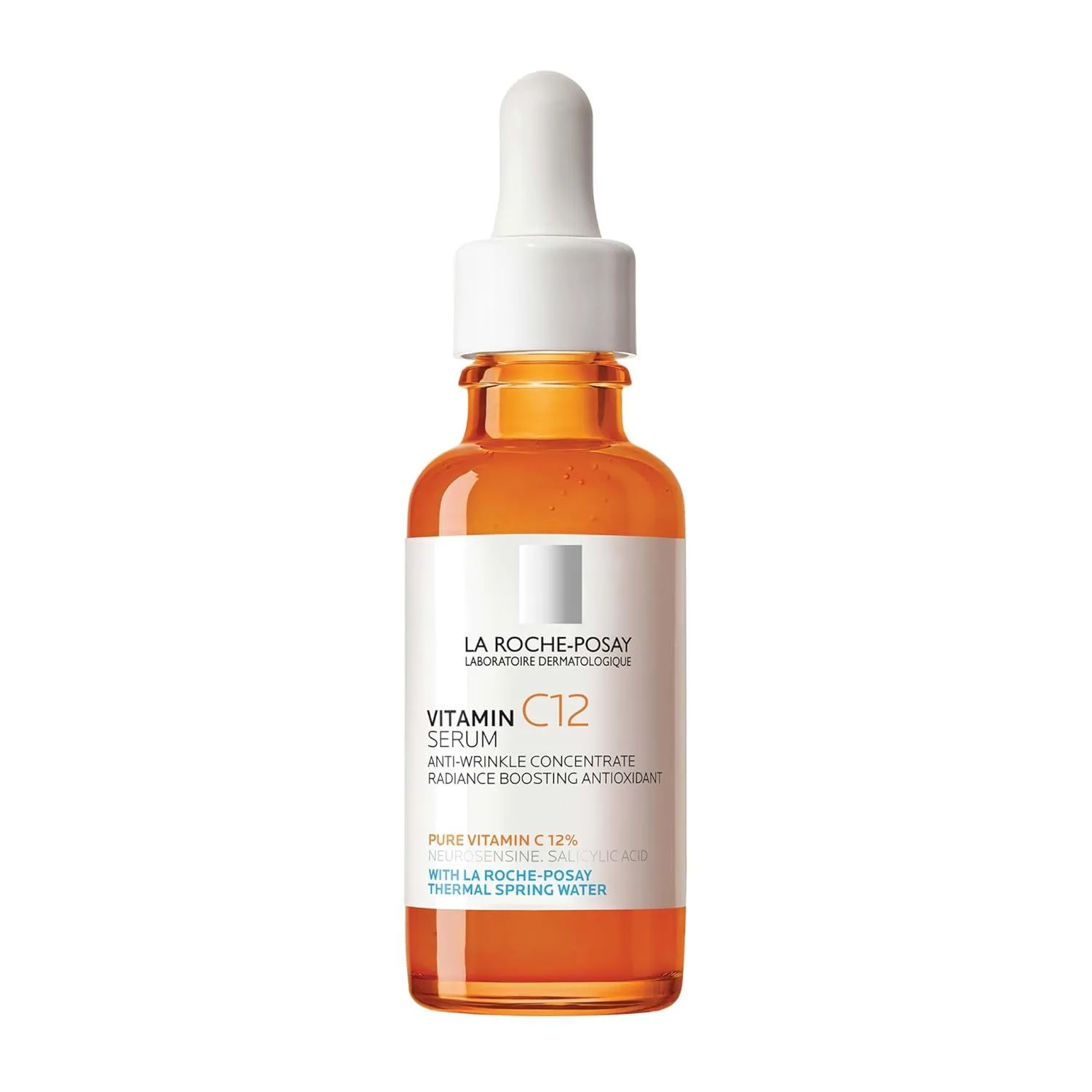
Neurosensine-paired vitamin C10 — built specifically for reactive skin
Get Luxury Skincare Picks Delivered
One email per week. Honest reviews, no spam.
No spam. Unsubscribe anytime.
Watch: Pampered Wolf's take on the Vitamin C for Sensitive Skin | Safe Formulas
