Understanding Your Skin Type
Most skincare advice starts with "know your skin type." Good advice, badly executed. The standard oily-dry-normal-combination framework oversimplifies a complex organ. Your skin is not one static type — it shifts with age, seasons, hormones, and even stress. This guide goes beyond the labels to explain what actually determines your skin's behavior and how to use that knowledge to choose the right products.
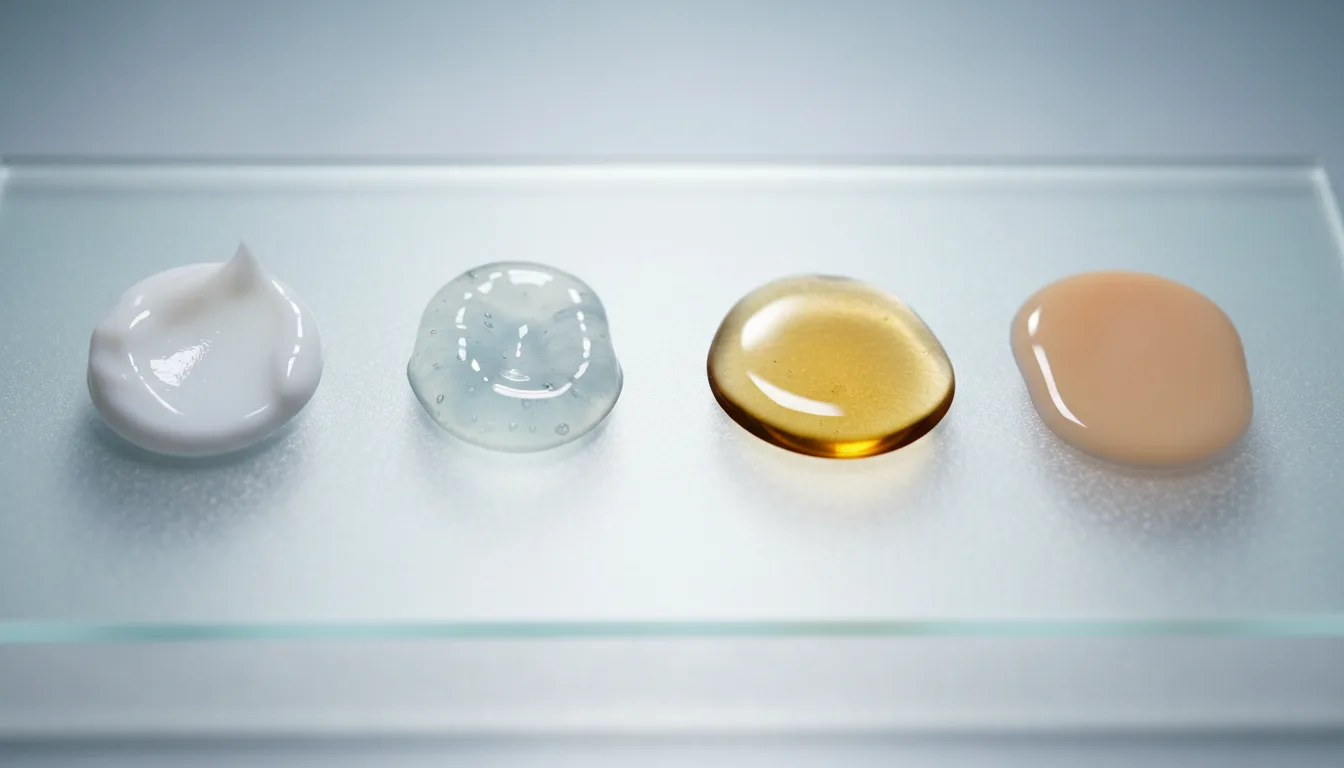
The Biology Behind Skin Types
Skin type is primarily determined by sebaceous gland activity — how much oil your skin produces. This is largely genetic, inherited from your parents in much the same way as eye color or hair texture. Sebaceous glands are concentrated in the T-zone (forehead, nose, chin), which is why that area tends to be oilier than the cheeks regardless of your overall type.
But sebum production is only one variable. Water content, barrier integrity, sensitivity threshold, and pore size all contribute to how your skin behaves and which products it tolerates. Two people with "oily skin" can have completely different needs if one has dehydrated oily skin and the other has hydrated oily skin.
The lipid composition of sebum also varies between individuals. Your sebum contains a mix of triglycerides, wax esters, squalene, and free fatty acids — and the ratio differs from person to person. People whose sebum is higher in oleic acid tend to experience more breakouts, while those with more linoleic acid often have clearer skin. This is one reason why two people with identical oil levels can have drastically different acne experiences. Some dermatologists now recommend linoleic acid-rich oils (like rosehip or grapeseed) for acne-prone skin specifically to rebalance this ratio, rather than stripping oil away entirely.
Ethnicity and genetic background also play a measurable role in skin behavior. Melanin-rich skin tends to have a stronger lipid barrier and higher natural sun protection, but is more prone to post-inflammatory hyperpigmentation. Lighter skin tones typically show visible redness and broken capillaries more readily. These differences affect which ingredients work best and which side effects to watch for — a detail that most skin-type guides overlook entirely.
The Four Primary Skin Types
Oily Skin
Overactive sebaceous glands produce excess sebum across most of the face. Visible pores, a shiny or greasy appearance by midday, and a tendency toward blackheads and acne. Oily skin has one major advantage: the natural oil layer slows moisture loss and provides a buffer against environmental irritants. Oily skin types often age more slowly because of higher natural hydration.
What oily skin needs: Oil-free hydration (hyaluronic acid-based serums), lightweight gel moisturizers, niacinamide for sebum regulation, and gel or fluid SPF that dries matte. Avoid heavy creams, facial oils, and products with occlusive ingredients like petrolatum or mineral oil that trap excess sebum.
Dry Skin
Underactive sebaceous glands produce insufficient sebum. Skin feels tight, may flake or peel, and fine lines appear earlier because the surface lacks the natural oil that keeps skin supple. Dry skin is more prone to irritation because the lipid barrier is inherently thinner. Without adequate sebum, transepidermal water loss (TEWL) increases — water evaporates from the skin faster.
What dry skin needs: Lipid-replenishing moisturizers with ceramides and fatty acids, facial oils to supplement low sebum, cream cleansers (never foaming), and occlusive ingredients (squalane, shea butter) that seal in moisture. Humectants like hyaluronic acid are useful but must be sealed with an occlusive to prevent reverse osmosis in dry climates.
Combination Skin
The most common type. An oily T-zone with normal-to-dry cheeks. The high density of sebaceous glands on the forehead, nose, and chin creates an oil imbalance compared to the less active cheek area. Combination skin is tricky because different zones benefit from different products.
What combination skin needs: Zone-specific treatment is ideal but impractical for most people. A practical approach: use a lightweight gel-cream moisturizer everywhere, add a richer product to dry areas in winter, and use a mattifying primer on the T-zone if shine bothers you. Niacinamide-based serums balance combination skin well because niacinamide regulates oil production without drying.
Normal Skin
Balanced sebum production. Neither too oily nor too dry. Minimal sensitivity. Small, barely visible pores. Even texture. Normal skin is the rarest type and the easiest to maintain. The risk for normal skin is overcomplicating things — adding too many products because skincare marketing says you should.
What normal skin needs: A simple, consistent routine. Gentle cleanser, a single active serum (Vitamin C or retinol), moisturizer, SPF. Normal skin tolerates most formulations and rarely reacts to new products. The goal is maintenance and prevention, not correction. One common mistake with normal skin is product layering out of enthusiasm — adding an AHA, a BHA, a retinol, and a vitamin C serum because your skin "can handle it." It may tolerate each one individually, but stacking multiple actives overwhelms even resilient skin over time. If your normal skin starts reacting to products, the cause is almost always too many actives, not a change in skin type.
Wash your face with a gentle cleanser, pat dry, and apply nothing. Wait 2-3 hours. Check your face in natural light. Shiny everywhere: oily. Tight and flaky: dry. Shiny T-zone, comfortable cheeks: combination. Comfortable, no excess oil: normal. Run this test on a day you did not exercise, and check at least twice on different days for accuracy.
Beyond Type: Skin Conditions
Skin type and skin conditions are different categories. Type is relatively fixed (genetically determined oil production). Conditions are temporary states that any skin type can develop. Treating a condition as if it were your type leads to wrong product choices.
Dehydration
A water deficit, not an oil deficit. Dehydrated skin feels tight and looks dull, but may still produce excess oil. Oily dehydrated skin is common — the surface is shiny while the underlying cells are starved of water. Over-cleansing with harsh foaming products is the most common cause. Treatment: hyaluronic acid, reduced cleansing frequency, and a humectant-rich routine. Not the same as dry skin, and not solved by adding oils.
Sensitivity
Heightened reactivity to products, temperature, or touch. Redness, stinging, burning, or breakouts from otherwise gentle formulas. Some people are genetically sensitive (thin skin, high nerve density, reactive blood vessels). Others develop sensitivity from over-exfoliation, retinol overuse, or barrier damage. The treatment depends on the cause — genetic sensitivity requires permanent product screening, while induced sensitivity resolves once the barrier heals.
Barrier Damage
The moisture barrier (stratum corneum) is a layer of dead cells held together by ceramides, cholesterol, and fatty acids. When this barrier is compromised — by harsh cleansers, over-exfoliation, or too many actives — water escapes faster and irritants penetrate more easily. Signs: products that previously worked fine now sting. Skin feels simultaneously tight and oily. Redness increases. Fix: stop all actives, switch to a ceramide-rich cream, and wait 2-4 weeks for the barrier to rebuild.
The over-exfoliation cycle. Rough texture leads people to exfoliate more. Over-exfoliation damages the barrier, which creates more rough texture. More exfoliation follows. This cycle is one of the most common skincare mistakes. If your skin feels rough despite regular exfoliation, stop exfoliating entirely for 2 weeks. If the texture improves, your exfoliation frequency was the problem.
How Skin Type Changes Over Time
Your skin type at 25 is not your skin type at 45. This sounds obvious, but most people build a skincare routine in their 20s and never revisit the underlying assumptions. The products that controlled your oil production at 22 may be stripping moisture from skin that no longer overproduces sebum. Hormonal shifts — puberty, pregnancy, perimenopause — can alter sebum output within months. Even relocating from a humid climate to a dry one changes how your skin behaves day to day. The best practice is to treat your skin type as a current reading, not a permanent diagnosis.
- Teens to 20s: Peak sebum production. Oily skin and acne are most common. Pores are most visible.
- Late 20s to 30s: Sebum production begins declining. Oily skin may shift toward combination. First signs of dehydration appear as the moisture barrier becomes less efficient.
- 40s: Noticeable decline in oil production for most people. Formerly oily skin becomes normal or even combination-dry. Fine lines deepen as collagen production slows. Skin becomes thinner and less resilient.
- 50s and beyond: Sebum production drops substantially. Most skin types trend toward dry. Barrier function weakens. Rich moisturizers become necessary even for people who never needed them before. Sensitivity may increase as the skin thins.
Run the bare-face test at the start of each season. Summer humidity increases oil production. Winter heating dries skin. Your optimal products in July may not be your optimal products in January. Many people benefit from a lighter moisturizer in summer and a richer one in winter — same skin, different seasonal needs.
The Role of Diet, Sleep, and Stress
External products matter, but internal factors influence skin behavior more than most people realize. Chronic sleep deprivation increases cortisol, which breaks down collagen and increases oil production — making oily skin oilier and accelerating aging in every skin type. Seven to eight hours of sleep is the most effective anti-aging treatment that costs nothing.
Stress triggers similar cortisol-mediated effects. Persistent stress can push normal skin toward sensitivity, increase breakout frequency in oily and combination types, and delay wound healing across all types. Meditation, exercise, and stress management are not skincare advice in the traditional sense, but they directly impact the skin you are trying to treat with products.
Diet affects skin through inflammation pathways. High-glycemic foods (refined sugar, white bread, processed carbohydrates) spike blood sugar, which triggers insulin-like growth factor (IGF-1), which increases sebum production and inflammation. Dairy has a similar effect in some people — particularly skim milk, which concentrates the hormonal components. Cutting refined sugar for 4-6 weeks produces visible improvements in skin clarity for many people. It is not universal, but it is common enough to be worth trying if your skin is persistently congested.
Water intake matters less than marketing suggests — drinking eight glasses a day will not fix dry skin. Hydration reaches the skin from the inside out, but only when you are genuinely dehydrated does increasing water intake produce visible skin changes. What does make a measurable difference is omega-3 fatty acid consumption. Fatty fish, flaxseed, and walnuts supply the essential fatty acids that your body uses to build and maintain the lipid barrier. A 2020 meta-analysis of 13 studies found that omega-3 supplementation reduced inflammatory acne lesions by an average of 42% over 10-12 weeks. That is a stronger effect than most over-the-counter topical treatments.
Matching Products to Your Type
- Oily: Gel cleansers, gel-cream moisturizers, niacinamide serums, fluid SPF. Avoid: heavy creams, facial oils, occlusive sleeping masks.
- Dry: Cream cleansers, rich moisturizers with ceramides, facial oils, hydrating serums. Avoid: foaming cleansers, alcohol-based toners, high-concentration AHAs without buffering.
- Combination: Gel-cream moisturizers, lightweight serums, balancing toners. Apply richer products to dry zones only. Avoid: one-size-fits-all heavy creams.
- Normal: Almost anything works. Keep it simple. One cleanser, one serum, one moisturizer, SPF. Avoid: overcomplicating your routine with unnecessary products.
- Sensitive (any type): Fragrance-free everything. Patch test every new product for 3 days on your inner arm before applying to face. Introduce one product at a time with a 2-week gap.
Product texture as a guide. If a product feels heavy, sticky, or greasy on your skin, it is probably too rich for your type. If it absorbs instantly and your skin feels tight within an hour, it is probably too light. Your skin should feel comfortable — neither oily nor tight — 2 hours after applying your full routine. Adjust product weight until you find that comfortable middle.
Watch: Dr. Priyanka Reddy breaks down the Understanding Your Skin Type (173K views)

Frequently Asked Questions
Can my skin type change over time?
Yes. Skin type is influenced by genetics, age, climate, hormones, and even medication. Oily skin in your 20s often becomes normal or combination by your 40s as sebum production declines. Menopause significantly reduces oil production in women. Seasonal changes affect everyone — summer increases oiliness, winter increases dryness. Reassess your skin type annually and after major life changes.
Is combination skin actually two different skin types?
In a sense, yes. The T-zone (forehead, nose, chin) has a higher density of sebaceous glands, so it produces more oil regardless of your overall type. On combination skin, the contrast is pronounced: oily T-zone with normal-to-dry cheeks. Treat the zones separately when needed — lighter products on the T-zone, richer products on the cheeks.
What is the difference between dry skin and dehydrated skin?
Dry skin is a type — it underproduces sebum (oil) genetically. Dehydrated skin is a condition — it lacks water, regardless of oil production. You can have oily dehydrated skin (excess oil, insufficient water). Dry skin needs lipid-replenishing products (oils, ceramides). Dehydrated skin needs humectants (hyaluronic acid). Many people treat dehydration with oils, which does not solve the underlying water deficit.
How do I know if my skin barrier is damaged?
Signs include: stinging when applying products that did not sting before, persistent redness, tight-feeling skin that is also oily, increased sensitivity to temperature changes, and rough texture that appeared suddenly. Barrier damage is a condition, not a skin type — it can happen to any skin type through over-exfoliation, harsh cleansers, or too many active ingredients at once. Repair with ceramide-rich products and temporarily stop all actives.
Do skin types affect how I should use actives?
Directly. Oily skin tolerates higher concentrations of L-ascorbic acid and retinol because the natural oil layer buffers irritation. Dry skin may need lower concentrations or buffering techniques (like the retinol sandwich method). Sensitive skin requires patch testing and gradual introduction of every new active. Normal skin has the widest tolerance for product experimentation.
Is there a test to determine my skin type?
The bare-face test is the most reliable. Wash your face with a gentle cleanser, pat dry, and do not apply any products. Wait 2-3 hours. Examine your face: if shiny all over, you are oily. If tight and flaky, you are dry. If shiny in the T-zone and normal/dry on cheeks, you are combination. If comfortable with no excess oil, you are normal. Repeat on different days — one reading is not definitive.
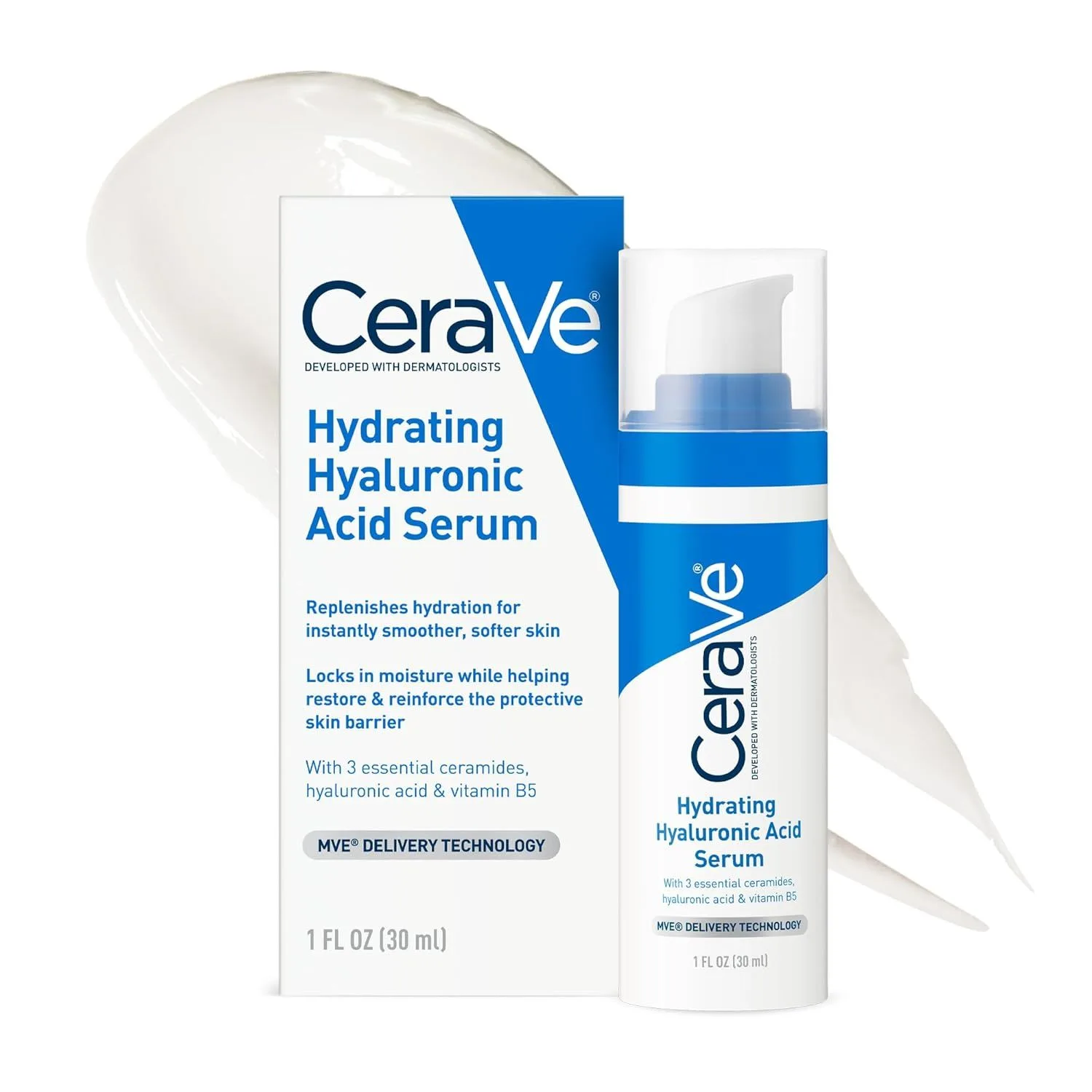
Best for all skin types — ceramide formula works with any skin profile
Get Our Top 3 Picks
Get our top 3 picks for your budget — one email, then only updates.
Only when something changes. Unsubscribe anytime.
Ready to Buy? Start Here
Based on this guide, our #1 recommendation:
CeraVe Vitamin C Serum Best dermatologist-backed Vitamin C for sensitive skin Read Full Review →