Understanding Skincare Ingredients
The skincare industry runs on ingredient names. Retinol, hyaluronic acid, niacinamide, peptides, Vitamin C — they appear on every bottle, in every ad, and across every social media post. But knowing a name is not the same as understanding what it does, whether research supports it, and at what concentration it actually works. This guide separates the proven from the marketed.
Vitamin C: The Brightening Workhorse
L-ascorbic acid is the most studied form of Vitamin C in dermatology. It neutralizes free radicals, inhibits melanin production, and stimulates collagen synthesis. Published research confirms these effects at concentrations between 10% and 20%.
The catch: L-ascorbic acid is unstable. It oxidizes when exposed to air, light, or heat — turning orange and losing potency. This is why packaging matters as much as concentration. Airless pumps and opaque bottles extend shelf life. Dropper bottles work if you store them properly.
Alternatives include sodium ascorbyl phosphate (gentler, more stable, less potent) and ascorbyl tetraisopalmitate (oil-soluble, penetrates well but limited research). And then there is Caudalie's viniferine — a vine sap derivative that targets melanin through a different pathway entirely.
pH matters more than most people realize with Vitamin C serums. L-ascorbic acid requires a pH below 3.5 to penetrate the skin effectively — too high and it sits on the surface doing nothing. This low pH also means layering a Vitamin C serum immediately under a high-pH moisturizer or sunscreen can neutralize its effectiveness. Apply your Vitamin C serum to bare, clean skin and wait two to three minutes before adding the next layer. That brief pause lets the acid absorb at its optimal pH before the environment shifts. Formulations that include ferulic acid help stabilize the low pH while extending the serum's shelf life, which is why the C+E+ferulic combination has become the benchmark for serious Vitamin C serums.
Published research by Dr. Sheldon Pinnell at Duke University demonstrated that combining Vitamin C with Vitamin E and ferulic acid increases photoprotection 8-fold compared to Vitamin C alone. Look for this combination in your serum formula.
Retinoids: The Anti-Aging Gold Standard
Retinoids are derivatives of Vitamin A. They accelerate cell turnover, stimulate collagen production, and reduce hyperpigmentation. More than 50 years of published peer-reviewed research supports these effects — no other anti-aging ingredient comes close to this evidence base.
The retinoid family, ranked by potency:
- Tretinoin (prescription): The strongest retinoid. Requires a dermatologist prescription. Fastest results but highest irritation potential.
- Retinaldehyde: One conversion step from retinoic acid. Medik8 Crystal Retinal uses this form — published data shows 11x faster conversion than retinol.
- Retinol: The most common over-the-counter form. Effective at 0.3-1.0% concentrations. Needs two conversion steps to become active in skin.
- Retinol esters (retinyl palmitate): The gentlest form. Three conversion steps to active form. Minimal irritation but also minimal results at typical cosmetic concentrations.
The retinol adjustment period is normal. Mild peeling, dryness, and redness during the first 2-4 weeks of retinol use is called retinization. It is temporary and indicates the ingredient is working. Start with every-other-night application and increase gradually.
Hyaluronic Acid: Hydration From Within
Hyaluronic acid (HA) is a sugar molecule naturally present in skin. It acts as a humectant, drawing water from the environment and deeper skin layers to the surface. One gram can hold up to six liters of water.
Molecular weight determines where HA works. High molecular weight (over 1,000 kDa) stays on the skin surface, creating a moisture film. Low molecular weight (under 50 kDa) penetrates into the epidermis for deeper hydration. The best serums — like The Ordinary HA 2% + B5 — combine five molecular weights to hydrate at every depth.
One caveat: in extremely dry climates with low humidity, HA can pull moisture from deeper skin layers instead of the air, making dehydration worse. Always apply HA to damp skin and seal with a moisturizer. This step is non-negotiable — skipping the occlusive layer after HA application is the single most common reason people report that hyaluronic acid "made my skin drier."
Peptides: The Collagen Signal
Peptides are short chains of amino acids that signal your skin to produce more collagen. Unlike retinoids, which accelerate cell turnover, peptides communicate with existing cells to boost their protein production. Our peptides deep dive covers all six peptide families, concentrations, and product recommendations.
Not all peptides are equal. Copper tripeptide-1 (GHK-Cu) has the strongest evidence base — decades of wound-healing research demonstrate its ability to stimulate collagen, elastin, and glycosaminoglycan synthesis. Matrixyl (palmitoyl pentapeptide-4) has clinical data showing measurable wrinkle reduction at 4 ppm concentration.
Many marketed peptides lack independent research. If a product lists eight peptides but none are copper tripeptide-1 or Matrixyl, the evidence is thin.
Peptides also have a practical advantage over retinoids: they cause virtually no irritation. For people whose skin cannot tolerate retinol at any concentration — even encapsulated, even at 0.025% — peptides offer an alternative anti-aging pathway with zero adjustment period. The results are slower and more modest than retinoids, but they accumulate steadily over months. A copper peptide serum used consistently for 12 weeks produces visible improvements in skin firmness and texture that, while not matching a prescription tretinoin result, represent a real and measurable change. For sensitive skin types or those who have exhausted every retinol introduction strategy without success, peptides are not a consolation prize — they are a legitimate second option backed by clinical data.
Niacinamide: The Versatile Support Player
Niacinamide (Vitamin B3) strengthens the skin barrier by boosting ceramide production. It also reduces sebum output, minimizes pore appearance, and calms inflammation. At 5% concentration, peer-reviewed research supports all of these benefits. Our full niacinamide guide covers concentration thresholds, pairing rules, and product recommendations in depth.
Its real strength is compatibility. Niacinamide pairs well with retinol (reduces retinol-induced irritation), Vitamin C (despite old rumors of incompatibility), and hyaluronic acid. It is the ingredient that makes other actives work better.
Concentration matters with niacinamide, but more is not always better. Studies show that 5% delivers the full range of benefits — barrier strengthening, sebum regulation, and anti-inflammatory effects. Some products advertise 10% or even 20% niacinamide, but higher concentrations can cause flushing and irritation without proportional improvement in results. The research supporting niacinamide was conducted at 2-5%, and the 5% sweet spot has been validated repeatedly across multiple independent studies. If a product lists niacinamide high on its ingredient list but does not disclose the percentage, assume it falls within the 2-5% range — which is exactly where you want it.
Ingredients are listed in descending order of concentration. If the active you care about appears after fragrance or preservatives, it is probably present at less than 1%. Check the actual percentage on the label or the brand's website.
AHAs, BHAs, and PHAs: Chemical Exfoliants
Alpha-hydroxy acids (glycolic, lactic, mandelic) dissolve the bonds between dead skin cells on the surface. Glycolic acid has the smallest molecule and penetrates deepest — most effective but also most irritating. Lactic acid is gentler with added moisturizing properties. Mandelic acid is the gentlest AHA, suitable for sensitive and darker skin tones.
Beta-hydroxy acid (salicylic acid) is oil-soluble, meaning it penetrates into pores. This makes it the only chemical exfoliant effective for blackheads and congested skin.
Polyhydroxy acids (PHAs) are the newest category. They exfoliate like AHAs but with larger molecules that cannot penetrate as deeply — resulting in surface renewal with minimal irritation. Obagi's Retinol + PHA Night Cream pairs PHAs with retinol for dual-pathway resurfacing.
Ceramides: The Barrier Builders
Ceramides are lipids that make up roughly 50% of the skin barrier. They fill the spaces between dead skin cells in the stratum corneum, forming a waterproof seal that prevents moisture loss and blocks irritants from penetrating. When ceramide levels drop — from age, over-cleansing, or environmental damage — the barrier weakens and skin becomes dry, reactive, and prone to irritation.
Topical ceramides replenish what the barrier has lost. CeraVe built its entire product line around three essential ceramides (1, 3, 6-II) that match those naturally found in human skin. The combination strengthens the barrier within 2-4 weeks of consistent use. Ceramides pair well with every active ingredient and rarely cause adverse reactions on any skin type. They are the safety net of skincare — unglamorous but indispensable. Our ceramides deep dive covers the three ceramide classes, optimal ratios, and why your cleanser may matter more than your cream.
Squalane: The Lightweight Lipid
Squalane is a saturated, shelf-stable version of squalene — a lipid your skin produces naturally but in declining amounts after age 30. It mimics your skin's own oils, making it one of the best-tolerated moisturizing ingredients across all skin types, including oily and acne-prone.
Modern squalane is derived from olives or sugarcane through hydrogenation — a process that converts the unsaturated squalene into a stable, non-oxidizing oil. Earlier formulations sourced squalene from shark liver, which raised both ethical and purity concerns. Plant-derived squalane performs identically to the animal-sourced version and has largely replaced it across the industry. When shopping for squalane products, look for "plant-derived" or "olive-derived" on the label to confirm the sourcing.
Unlike heavier oils (argan, marula), squalane absorbs without residue. It does not clog pores. It does not oxidize. It reinforces the lipid barrier without the greasy feel that keeps oily skin types away from facial oils. Tatcha Serum Stick contains 80% squalane in a portable solid format. For a liquid option, The Ordinary's 100% Plant-Derived Squalane provides the raw ingredient at an accessible price.
How Ingredients Interact: Combinations That Work and Ones to Avoid
Most active ingredients play well together. A few combinations cause problems. Understanding these interactions prevents wasted product and unnecessary irritation — two outcomes that lead many people to abandon effective ingredients prematurely.
- Retinol + AHA/BHA: Both exfoliate through different mechanisms. Together in the same application, they overwhelm the barrier. Alternate nights instead.
- Vitamin C + Retinol: Older advice said never combine them. Current research shows they can work together, but the combination is potent and unnecessary — use Vitamin C in the morning and retinol at night for the benefits of both without the irritation risk.
- Niacinamide + Retinol: A strong pairing. Niacinamide reduces retinol-induced irritation while delivering its own barrier-strengthening benefits. Apply niacinamide first, then retinol.
- Benzoyl peroxide + Retinol: Benzoyl peroxide degrades retinol on contact, rendering it inactive. Never layer them. If you use both, apply benzoyl peroxide in the morning and retinol at night.
- Hyaluronic acid + Everything: HA has no negative interactions with any active ingredient. It layers safely under or over any serum, treatment, or moisturizer.
Ingredients That Are Mostly Marketing
Collagen in topical products does not penetrate skin. The molecule is too large. It provides temporary surface smoothing, but it does not replenish your skin's collagen reserves. For collagen stimulation, use retinol or peptides instead.
Stem cell extracts from plants have no mechanism to influence human skin cell behavior. Plant biology and human biology operate on entirely different cellular systems. The name sounds scientific but the translation does not hold up.
Gold, diamond, and pearl powder in skincare are marketing. There is no peer-reviewed dermatology research demonstrating anti-aging or brightening benefits from these materials at cosmetic concentrations.
Oxygen facials and "oxygen-infused" products claim to deliver oxygen to skin cells. Your skin receives oxygen from blood circulation on the inside, not from topical application on the outside. The temporary glow from an oxygen facial comes from the moisture and massage involved in the treatment — the oxygen itself contributes nothing measurable. At best, harmless. At worst, a reason to spend money on something with no mechanism of action.
Bee venom, snail mucin, and other animal-derived ingredients have small pockets of research suggesting anti-inflammatory or hydrating benefits. The evidence is preliminary and the results modest compared to established actives like retinol, Vitamin C, and hyaluronic acid. They are not harmful, but they should not be the foundation of a routine when proven alternatives exist at every price point.
Watch: Doctorly's take on the Understanding Skincare Ingredients

Frequently Asked Questions
Which skincare ingredients should not be mixed?
Avoid combining retinol with AHA/BHA acids in the same application — both exfoliate and the combination can cause severe irritation. Vitamin C and niacinamide were once thought to conflict, but recent research shows they work fine together. Benzoyl peroxide degrades retinol on contact, so separate them to AM and PM.
What is the most proven anti-aging ingredient?
Retinol (and its derivatives) has the largest body of peer-reviewed evidence supporting anti-aging claims. Over 50 years of published research demonstrates its ability to stimulate collagen production, accelerate cell turnover, and reduce fine lines. Vitamin C and peptides have strong evidence too, but retinoids remain the gold standard.
Is niacinamide worth adding to my routine?
Yes. Niacinamide (Vitamin B3) strengthens the skin barrier, reduces pore appearance, and calms inflammation. At 5% concentration, it is well-tolerated by nearly every skin type and plays well with other actives. It is one of the few ingredients that pairs safely with retinol.
What concentration of Vitamin C is most effective?
Research shows 10-20% L-ascorbic acid as the effective range. Below 8%, results are minimal. Above 20%, irritation increases without proportional benefit. For sensitive skin, 10% is the sweet spot. For resilient skin seeking maximum brightening, 15-20% delivers faster results.
Do peptides actually work for wrinkles?
Certain peptides have solid evidence. Copper tripeptide-1 stimulates collagen and elastin production with published data supporting its efficacy. Matrixyl (palmitoyl pentapeptide-4) has clinical studies showing wrinkle depth reduction. Many other peptides on ingredient lists have limited or no independent research behind them.
What does hyaluronic acid actually do for skin?
Hyaluronic acid is a humectant that pulls water into the skin. One molecule can hold up to 1,000 times its weight in water. Multi-weight HA formulas penetrate different skin depths — low molecular weight goes deeper for plumping, high molecular weight sits at the surface for immediate smoothing. Apply it to damp skin for best results.
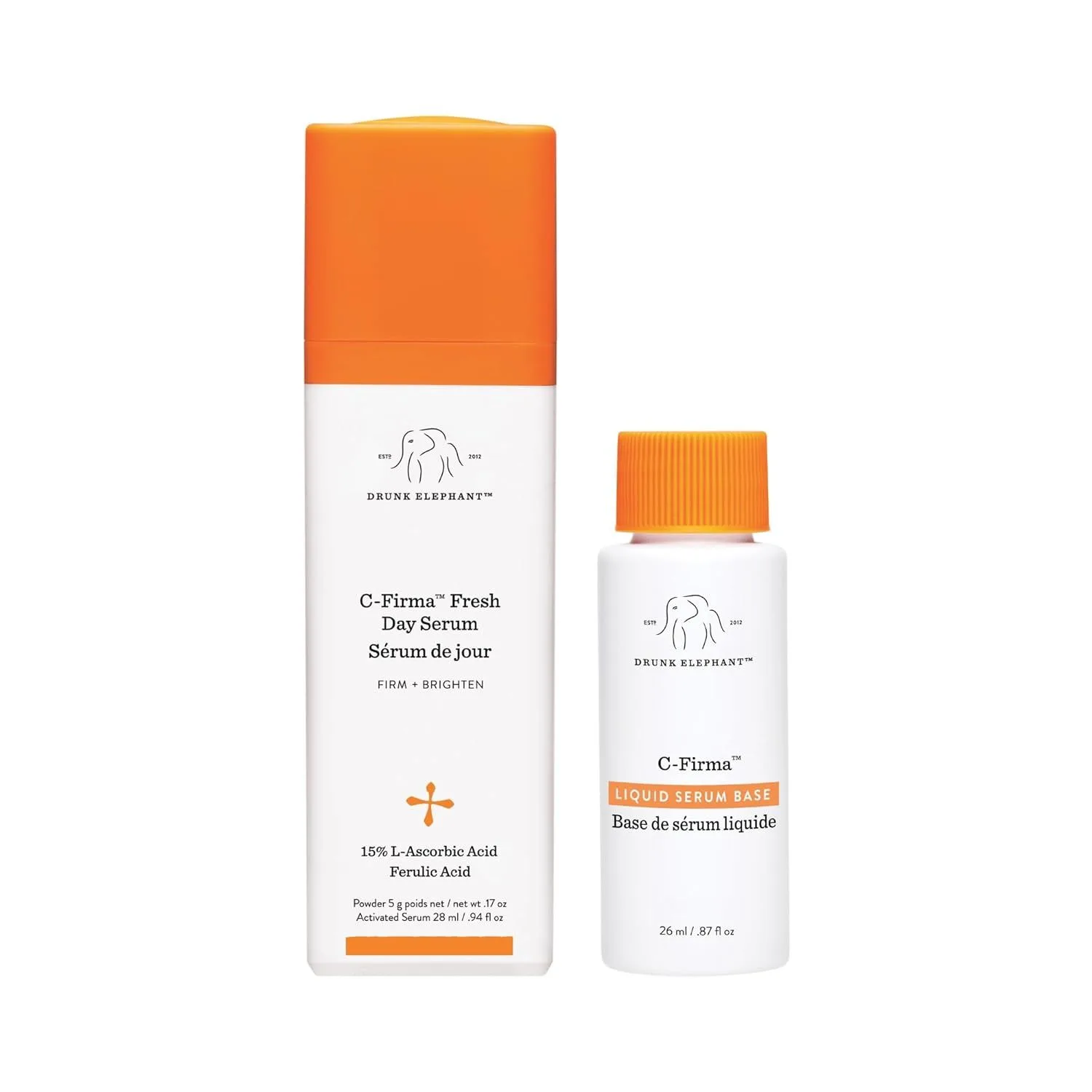
Best showcase of active ingredient synergy — Vitamin C + E + ferulic acid
Get Our Top 3 Picks
Get our top 3 picks for your budget — one email, then only updates.
Only when something changes. Unsubscribe anytime.
Ready to Buy? Start Here
Based on this guide, our #1 recommendation:
The Ordinary Daily Set Best budget skincare set for beginners Read Full Review →