Luxury Skincare for Sensitive Skin
Sensitive skin turns skincare shopping into a minefield. Every new product is a gamble — will this one cause redness, stinging, or a breakout? The frustration is real. But sensitive skin does not mean you are locked out of effective actives or luxury formulas. It means you need the right formulations, the right delivery technologies, and the right approach to introducing products.
What Makes Skin "Sensitive"
True skin sensitivity stems from a compromised moisture barrier — the outermost layer of dead skin cells and lipids that protects everything underneath. When this barrier is weakened (by genetics, over-exfoliation, harsh products, or environmental stressors), irritants penetrate more easily, triggering inflammation.
The good news: a compromised barrier can be repaired. Ceramides, niacinamide, and fatty acids rebuild barrier integrity over 4-8 weeks. Once the barrier is stronger, skin becomes less reactive to actives and environmental triggers.
Genetics play a role that many people underestimate. If your parents had reactive skin, your barrier is likely thinner from birth — fewer layers of corneocytes, lower natural ceramide production, and nerve endings positioned closer to the surface. This does not mean you are stuck with constant reactions. It means your baseline requires more protective maintenance than someone with naturally thick, resilient skin. Where others can skip moisturizer or use harsh cleansers without consequence, your routine needs to prioritize barrier support at every step.
Step one is always barrier repair. Add actives after the barrier is stable.
The Sensitive Skin Ingredient Checklist
Ingredients to Seek
- Ceramides: The building blocks of your skin barrier. CeraVe's three essential ceramides are the gold standard for barrier repair at accessible pricing.
- Niacinamide (Vitamin B3): Strengthens the barrier, reduces redness, calms inflammation. Well-tolerated at 5% concentration by nearly all sensitive skin.
- Centella Asiatica (Madecassoside): Anti-inflammatory and wound-healing. La Roche-Posay Hyalu B5 includes this for repairing hydration.
- Squalane: A lipid identical to what your skin naturally produces. Lightweight, non-comedogenic, and calming. Tatcha Serum Stick delivers 80% squalane.
- Panthenol (Pro-Vitamin B5): Soothes, hydrates, and accelerates barrier recovery. Present in La Roche-Posay and CeraVe formulations.
Ingredients to Avoid
- Fragrance (parfum): The number one contact allergen in skincare. Choose fragrance-free products exclusively.
- Essential oils: Lavender, tea tree, peppermint, and citrus oils are common irritants despite their "natural" status.
- High-concentration acids: Glycolic acid above 10% or salicylic acid above 2% can overwhelm sensitive skin. Start lower.
- Alcohol denat: Drying alcohol that disrupts the barrier. Check ingredient lists — it appears in many toners and essences.
- Sodium lauryl sulfate (SLS): A harsh surfactant found in foaming cleansers. Choose SLS-free or sulfate-free formulas.
For sensitive skin, the standard "one product at a time" rule gets stricter. Apply a new product to one side of your face only for the first week. Compare both sides after 7 days. If the treated side shows no irritation, go full-face in week two. This catches subtle reactions before they become full-face problems.
Actives That Work for Sensitive Skin
Sensitive skin can benefit from the same actives as resilient skin — the difference is in formulation and delivery.
- Vitamin C: La Roche-Posay Vitamin C10 pairs 10% Vitamin C with neurosensine, a calming peptide. The combination delivers brightening while actively soothing the skin — a formulation approach no budget Vitamin C serum matches.
- Retinol: CeraVe Retinol Serum uses encapsulated retinol that releases gradually, paired with ceramides that reinforce the barrier. Augustinus Bader Retinol Serum with TFC8 reports near-zero irritation across user reviews.
- Hydration: La Roche-Posay Hyalu B5 adds Madecassoside (Centella Asiatica) to dual-weight hyaluronic acid — hydration plus wound-healing in one formula.
Avoid multi-acid products. Serums combining AHA + BHA + PHA may work for resilient skin, but they overwhelm sensitive skin with multiple exfoliation pathways. If you want chemical exfoliation, start with one acid type at the lowest concentration available.
Building a Complete Sensitive Skin Routine
The most common mistake with sensitive skin routines is overcomplication. Adding five or six products because each one addresses a different concern creates more variables than reactive skin can handle. Every additional product introduces potential irritants — preservatives, emulsifiers, pH shifts — that compound across layers. A focused routine with three to four well-chosen products outperforms a seven-step regimen where each layer competes with the last. Build the minimum effective routine first, run it unchanged for six weeks, and only add a product when you can identify a specific gap in your results.
- Cleanser: Gentle, fragrance-free, pH-balanced. Cream or micellar water — not foaming.
- Hydrating serum: Vichy Mineral 89 — mineral-rich, universally tolerated, fragrance-free.
- Treatment serum (optional): One active at a time. Start with La Roche-Posay Vitamin C10 (AM) or CeraVe Retinol (PM, twice per week).
- Moisturizer: Augustinus Bader Ultimate Soothing Cream for luxury, or Kiehl's Ultra Facial Cream for accessible reliability.
- SPF: Mineral sunscreen (zinc oxide/titanium dioxide) — less likely to cause reactions than chemical filters.
The Difference Between Sensitive and Sensitized Skin
Sensitive skin and sensitized skin look identical on the surface — redness, stinging, reactivity. But they have different causes and different solutions. Sensitive skin is a permanent trait, usually genetic. Your barrier has always been thinner, your nerve endings closer to the surface, your inflammatory response quicker to trigger. You have always reacted to products that other people use without issue.
Sensitized skin is a temporary condition caused by something you did. Over-exfoliating with acids, using too many actives at once, applying retinol every night before your skin built tolerance, skipping moisturizer in winter — all of these compromise the barrier and create sensitivity where none existed before. The skin becomes reactive not because it was born that way, but because it was damaged.
Why the distinction matters: sensitized skin recovers. Strip back to cleanser, moisturizer, and SPF for 4-6 weeks. Let the barrier rebuild. Then reintroduce actives one at a time, slowly. Most people who believe they have permanently sensitive skin actually have sensitized skin from an aggressive routine. Fix the routine and the sensitivity resolves.
True sensitive skin requires permanent adjustments — fragrance-free everything, lower concentrations of actives, longer introduction periods, and careful attention to environmental triggers like hard water and climate shifts. Sensitized skin just needs a reset period and a more cautious approach going forward. The distinction also affects how much you should spend: sensitized skin recovers with inexpensive barrier basics, while genuinely sensitive skin often benefits from the advanced delivery technologies found in mid-range and premium formulations.
Layering Products Without Overloading Sensitive Skin
The layering order matters more for sensitive skin than for any other type. Each layer either supports or undermines the barrier, and the wrong sequence can turn individually safe products into a combined irritant.
Start with your thinnest, most water-based product. Hyaluronic acid serums go first because they are humectants — they pull water into the skin and create a hydration base. Apply to damp skin, always. Next comes your treatment active, if you are using one. Vitamin C in the morning or retinol at night, never both in the same application. Wait 60 seconds between layers to let each product absorb before adding the next.
Moisturizer goes last in the serum-and-treatment stack because it contains occlusives that seal everything underneath. For sensitive skin, this seal is critical — it prevents the actives from evaporating and keeps water locked in the barrier. Skipping moisturizer after applying actives is one of the most common causes of irritation. The active sits exposed on the surface, concentrating instead of absorbing evenly.
One rule that sensitive skin types break at their peril: never layer more than one active per routine. A Vitamin C serum plus a niacinamide serum plus a retinol in one application is three actives competing for absorption. Resilient skin can handle it. Sensitive skin cannot. Pick one active per routine and let it work without competition.
Seasonal Adjustments for Reactive Skin
Sensitive skin reacts to seasons as much as it reacts to products. Winter brings low humidity, indoor heating, and cold wind — all of which strip the barrier faster than it can repair. Summer brings UV exposure, sweat, and chlorine from pools — each a potential trigger.
In winter, switch to a richer moisturizer even if your skin is normally on the oilier side. The extra lipids compensate for what the dry air strips away. Consider pausing chemical exfoliants entirely from November through February if your skin tends to flush in cold weather. And apply your hydrating serum to damp skin without exception — in low-humidity environments, hyaluronic acid applied to dry skin will pull water from your deeper skin layers instead of from the air.
In summer, mineral sunscreen becomes non-negotiable. Chemical sunscreen filters (avobenzone, oxybenzone, octinoxate) irritate more sensitive skin types than zinc oxide or titanium dioxide. The white cast from mineral formulas is a cosmetic inconvenience, not a skin health issue. Tinted mineral sunscreens solve the white cast problem while providing iron oxide protection against visible light — a bonus for skin prone to post-inflammatory hyperpigmentation.
Air travel deserves a separate mention. Airplane cabin humidity drops to 10-20%, which is drier than most deserts. A long flight can undo weeks of barrier repair. Apply a thick layer of squalane or a barrier cream before boarding. Skip makeup entirely on flights — the combination of dry air and foundation on compromised skin is a recipe for irritation.
Product Testing: Beyond the Patch Test
The standard patch test advice — apply behind your ear, wait 24 hours — catches allergic reactions but misses the slower irritation patterns that plague sensitive skin. A product can pass a 24-hour patch test and still cause cumulative irritation after a week of daily use.
A more thorough protocol: apply the product to one side of your jawline for a full week. Compare both sides of your face each morning. Look for subtle signs that a basic patch test would miss — slightly increased redness, a few tiny bumps, skin that feels warmer on the treated side. These low-grade signals predict full-face reactions before they happen.
Keep a product journal. Write down what you applied, where, and how your skin looked the next morning. After three months of tracking, you will start to see patterns — specific ingredients that consistently cause problems, environmental conditions that worsen your reactivity, and combinations that your skin tolerates well. This data is more valuable than any product recommendation because it is specific to your biology.
When to See a Dermatologist
If your skin is persistently reactive despite avoiding known irritants and using gentle products, a dermatologist can identify underlying conditions. Rosacea, eczema, and contact dermatitis all mimic "sensitive skin" but require specific medical treatment that skincare products alone cannot provide.
A patch test at a dermatologist's office can identify specific allergens — sometimes the irritant is an ingredient you would never suspect, like a preservative system or a specific emulsifier. The clinical patch test covers 80+ common allergens applied to your back under occlusion for 48 hours. Results often surprise patients — many discover they react to methylisothiazolinone (a preservative in "gentle" products) or propylene glycol (a humectant in many moisturizers marketed as sensitive-skin-friendly).
A dermatologist can also prescribe barrier repair treatments that go beyond over-the-counter options. Prescription-strength ceramide formulations, low-dose tacrolimus for inflammatory flares, and customized compounded moisturizers without specific allergens are all options that no amount of drugstore shopping can replicate.
The investment in a dermatology visit often pays for itself within months. Patients who spend years cycling through products — buying, reacting, returning, buying again — frequently spend more on failed products than a single consultation and targeted prescription would cost. A professional diagnosis also removes the guesswork that leads to frustration: knowing whether your skin is reacting to fragrance, a preservative, or an active ingredient narrows the field of safe products from hundreds of options to a focused shortlist.
Watch: HotandFlashy breaks down the Luxury Skincare for Sensitive Skin (173K views)

Frequently Asked Questions
How do I know if I have sensitive skin?
Sensitive skin reacts to products that most people tolerate — redness, stinging, burning, or breakouts from otherwise gentle formulas. If you frequently experience reactions when trying new products, if fragranced products make your skin flush, or if your skin is easily irritated by weather changes, you likely have sensitive skin.
Can sensitive skin use retinol?
Yes, with the right formulation. Encapsulated retinol (like CeraVe Retinol Serum) releases gradually, reducing irritation. Start once per week, build to every other night over 6-8 weeks. Augustinus Bader Retinol Serum uses TFC8 technology that reports near-zero irritation among users.
What ingredients should sensitive skin avoid?
Common irritants include synthetic fragrances, essential oils (especially citrus), high-concentration AHAs (over 10%), alcohol denat, sodium lauryl sulfate (SLS), and witch hazel. Check ingredient lists for these before purchasing.
Is fragrance-free the same as unscented?
No. "Fragrance-free" means no fragrance ingredients were added. "Unscented" means masking agents were added to neutralize the natural smell of ingredients — those masking agents can still irritate. Always choose fragrance-free over unscented for sensitive skin.
Can I use Vitamin C if I have sensitive skin?
Yes, but choose the right form. La Roche-Posay Vitamin C10 includes neurosensine, a calming peptide that soothes while brightening. Stable Vitamin C derivatives like sodium ascorbyl phosphate are gentler than pure L-ascorbic acid. Start with 10% concentration or lower.
Should sensitive skin avoid luxury skincare?
Not at all. Many luxury products are formulated specifically for sensitive skin — Augustinus Bader, La Roche-Posay, and Medik8 all prioritize tolerance. In fact, premium delivery technologies (encapsulation, time-release, TFC8) often reduce irritation compared to budget formulas that deliver actives more aggressively.
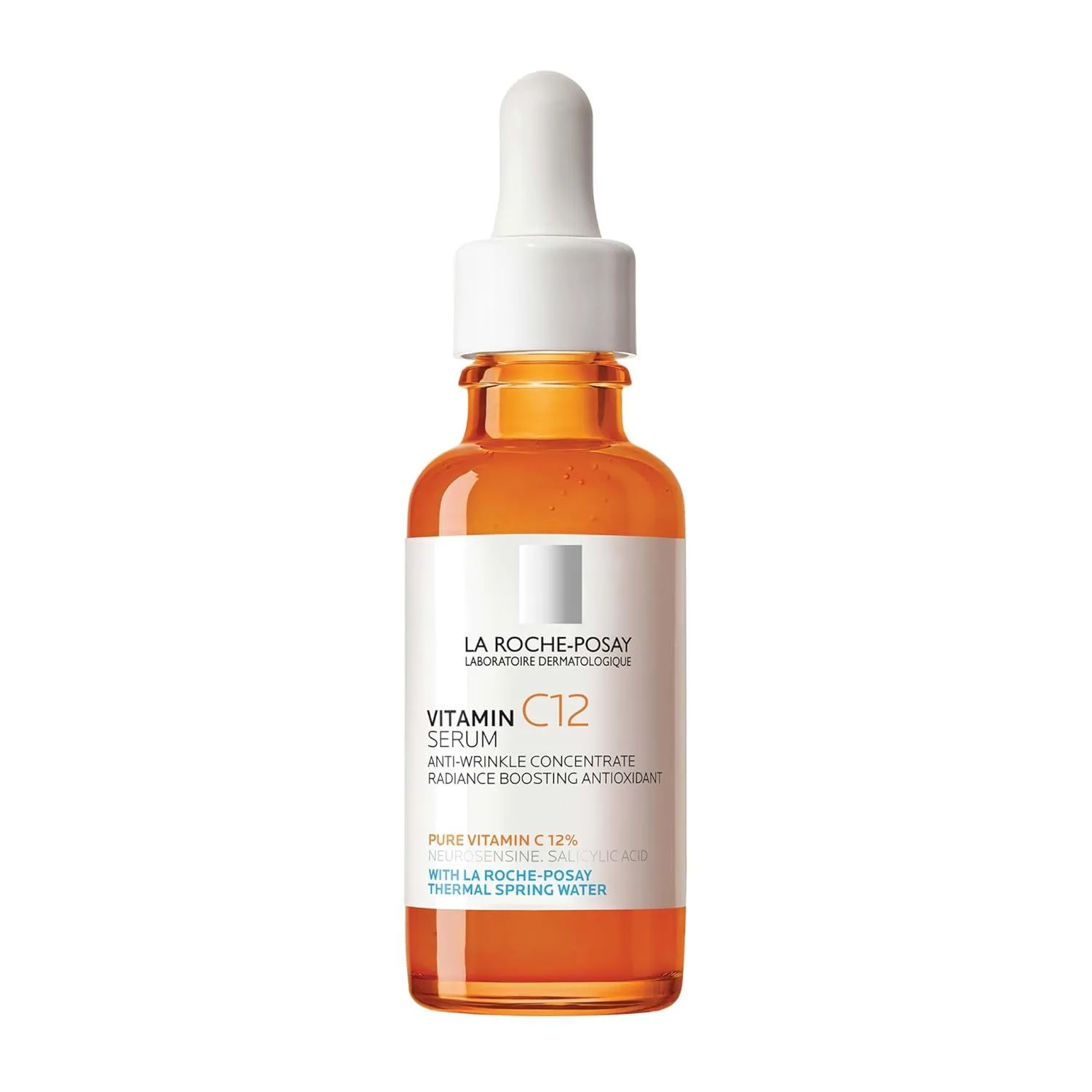
Best active serum for reactive skin — neurosensine calming technology
Get Our Top 3 Picks
Get our top 3 picks for your budget — one email, then only updates.
Only when something changes. Unsubscribe anytime.
Ready to Buy? Start Here
Based on this guide, our #1 recommendation:
La Roche-Posay Hyalu B5 Best dermatologist-grade repairing hydrator Read Full Review →