Niacinamide in Skincare | Dose Guide
Niacinamide (Vitamin B3) is a water-soluble vitamin that strengthens the skin barrier, controls oil production, visibly shrinks pores, fades dark spots, and calms redness. Effective at 2-5% concentration in serums and moisturizers, it is one of the most versatile and well-researched actives in modern skincare.
It appears on ingredient lists across every price tier, from drugstore moisturizers to prestige serums. Few actives work across that many biological pathways at once. This guide covers what concentration actually matters, which pairing rules are real versus myth, and which claims hold up under clinical scrutiny.
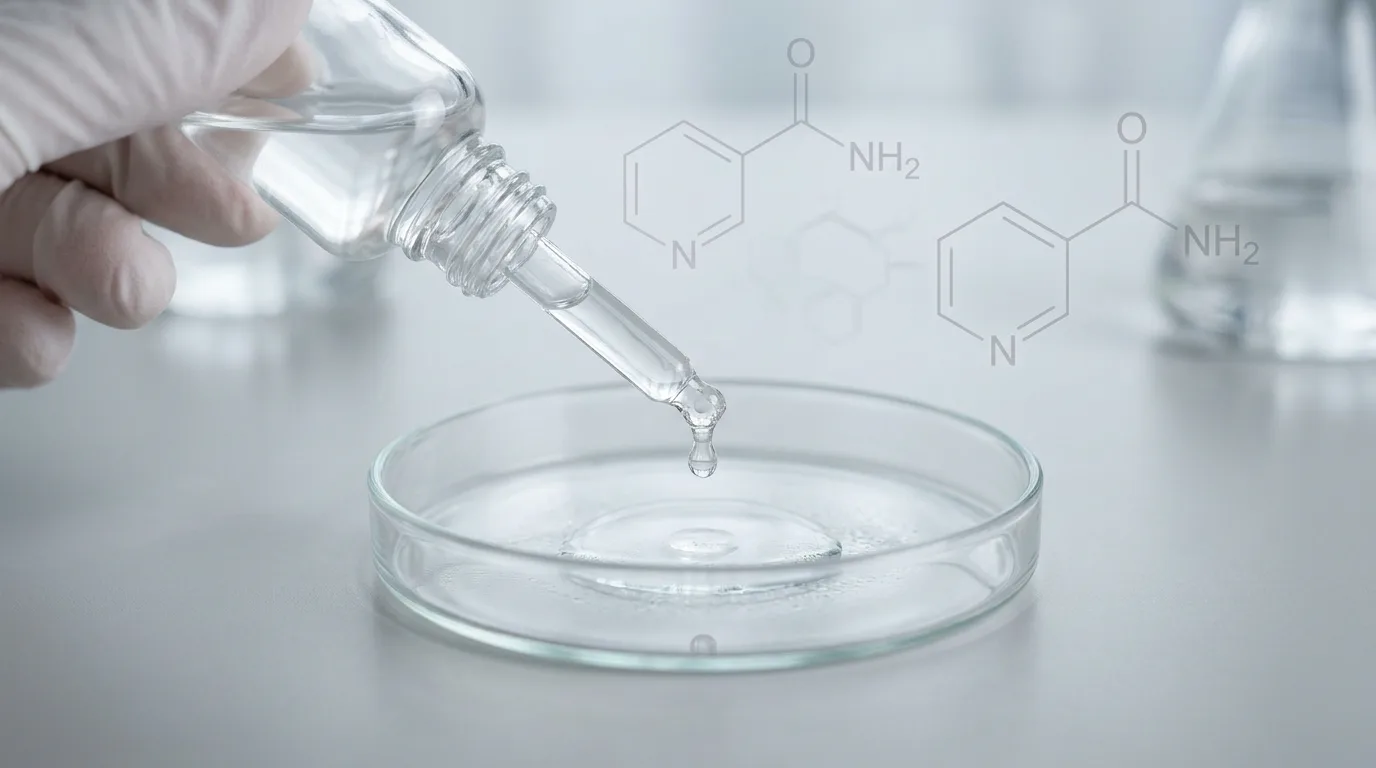
What Niacinamide Does at the Cellular Level
Niacinamide is the amide form of Vitamin B3 (nicotinic acid). Your body converts it into nicotinamide adenine dinucleotide (NAD+) and its phosphate form (NADP+), two coenzymes involved in over 400 enzymatic reactions. In skin, these coenzymes drive energy metabolism in keratinocytes and fibroblasts. When NAD+ levels drop — from UV exposure, aging, or environmental stress — cellular repair slows. Topical niacinamide supplements the supply.
The practical effects break into five measurable outcomes, each supported by controlled human studies published in dermatology journals between 2003 and 2023.
- Barrier function: Niacinamide increases ceramide and fatty acid synthesis in the stratum corneum. A 2005 study in the British Journal of Dermatology found a 34% increase in barrier lipid production after 4 weeks at 2% concentration. Stronger barrier means less transepidermal water loss, less sensitivity to irritants, and better moisture retention without heavier products.
- Sebum regulation: A 2006 study in the Journal of Cosmetic and Laser Therapy measured a 23% reduction in sebum production after 4 weeks of 2% niacinamide. The mechanism is indirect — niacinamide normalizes the lipid composition of sebum rather than suppressing sebaceous glands entirely. Skin produces less oil without the dryness that aggressive oil-control ingredients cause.
- Pore appearance: Reduced oil production combined with smoother skin texture makes pores look smaller. Niacinamide does not physically shrink pores — nothing topical can change pore size. But it can reduce the congestion and excess sebum that stretch pores wider over time.
- Pigmentation control: Niacinamide blocks melanosome transfer from melanocytes to keratinocytes. The pigment still gets made, but less of it reaches the visible skin surface. Results take 8-12 weeks and are most pronounced on post-inflammatory hyperpigmentation (dark marks from acne or irritation).
- Anti-inflammatory action: Niacinamide inhibits the nuclear factor kappa-B (NF-kB) pathway, reducing the cascade of inflammatory signals that cause redness, swelling, and sensitivity. This is why niacinamide calms rosacea, reduces post-acne redness, and buffers irritation from other actives.
If your skin is reactive, dehydrated, or recovering from over-exfoliation, niacinamide at 4-5% should be your first active — before retinol, before acids, before Vitamin C. Rebuilding the lipid barrier with niacinamide for 2-4 weeks creates a foundation that tolerates stronger actives better. CeraVe Retinol Serum builds on this principle by combining retinol with niacinamide in a single formula, buffering irritation at the formulation level.
Concentration: The 5% Sweet Spot
Clinical studies cluster around 2-5% niacinamide for measurable results. Below 2%, the effects are subtle enough to be debatable. At 4-5%, every published benefit — oil control, barrier repair, brightening, pore refinement — is reliably demonstrated. Above 5%, returns diminish while the risk of irritation climbs.
Some brands market 10% and even 20% niacinamide serums as premium products, implying that higher concentration equals better results. Published evidence does not support this. A 2020 comparative study found no statistically meaningful difference in oil reduction or pore appearance between 5% and 10% niacinamide over 12 weeks. The 10% group reported more tingling, flushing, and initial breakouts. Higher concentration burned through NAD+ conversion capacity without producing additional benefit visible to the eye or measurable by the instruments.
Two situations where 10% may be justified. First, stubborn post-inflammatory hyperpigmentation that has not responded to 5% after 12 weeks — the extra concentration may push melansome transfer inhibition past a threshold. Second, very oily T-zones where 5% reduces but does not adequately control sebum. In both cases, try 5% first for a full 12-week cycle before escalating.
The niacinamide flush. Some people experience temporary facial flushing (warmth, redness) when starting niacinamide, particularly at concentrations above 5%. This happens because niacinamide can convert to nicotinic acid on the skin, which triggers vasodilation. The flush is harmless and typically stops after 1-2 weeks of consistent use. If it persists, drop to 2% and build up gradually.
Three Ingredients Niacinamide Pairs Best With
Niacinamide is one of the most compatible actives in skincare. It has zero negative interactions with any commonly used ingredient. But three pairings produce synergistic results worth calling out.
Niacinamide + retinol. Retinol irritates. Niacinamide calms. Applied before retinol, niacinamide creates a barrier-reinforced buffer layer that reduces the redness, peeling, and dryness associated with retinol adaptation. At the same time, niacinamide's own anti-aging benefits (pigmentation control, pore refinement) complement retinol's collagen-stimulating action. La Roche-Posay Retinol B3 Serum exploits this pairing by combining 0.3% retinol with a clinical dose of niacinamide in one bottle. Obagi Retinol + PHA Night Cream takes a similar approach, buffering retinol with polyhydroxy acids and niacinamide for sensitive skin types.
Niacinamide + hyaluronic acid. HA delivers water-phase hydration. Niacinamide rebuilds the lipid barrier that keeps that water locked in. One pulls moisture in, the other prevents it from escaping. This pairing is especially effective for dehydrated skin that appears oily on the surface but feels tight underneath. Apply HA first to damp skin, then niacinamide, then moisturizer. Vichy Mineral 89 pairs HA with mineral-rich water for the hydration step before a niacinamide product completes the seal.
Niacinamide + Vitamin C. The old advice to never combine these comes from a 1963 study using nicotinic acid (not niacinamide) at boiling-point temperatures. Modern formulations of niacinamide and L-ascorbic acid are chemically stable together at room and body temperature. Used together, Vitamin C provides antioxidant protection and collagen support while niacinamide handles barrier repair and oil control. Morning routine: Vitamin C serum, niacinamide moisturizer, SPF. Drunk Elephant C-Firma Serum and Obagi Professional-C Serum both layer well under niacinamide-containing moisturizers.
Where Niacinamide Falls Short
No ingredient does everything. Niacinamide has specific limitations worth acknowledging.
It is not retinol. Niacinamide does not stimulate collagen production in the way retinoids do. It supports cellular energy and barrier function, but it does not accelerate cell turnover or bind to retinoid receptors. For wrinkle reduction, you need a retinoid. Niacinamide is the support act, not the headliner, in an anti-aging routine.
Brightening is slow. Hydroquinone, arbutin, and tranexamic acid all reduce hyperpigmentation faster than niacinamide. If you need visible brightening results in 4-6 weeks (before a wedding, after a breakout), niacinamide alone will not get you there. It works best as a maintenance ingredient after initial brightening with stronger actives, or as a gentler alternative for people who cannot tolerate hydroquinone.
Oil control has a ceiling. Niacinamide at 5% reduces sebum by roughly 20-25%. For moderately oily skin, that is often enough. For people producing enough oil to reapply blotting sheets by noon, niacinamide alone will not solve the problem. Prescription retinoids, spironolactone, or isotretinoin address severe oil production at the hormonal or glandular level.
Rosacea benefits are moderate. Niacinamide reduces facial redness and calms NF-kB-driven inflammation. It helps, and published studies confirm visible improvement. But it does not replace prescription treatments (azelaic acid, metronidazole, ivermectin) for type 2 rosacea with papules and pustules. Use it as part of a rosacea routine, not as the sole treatment.
Products That Deliver Niacinamide Effectively
CeraVe Retinol Serum: Combines encapsulated retinol with niacinamide and ceramides in a single formula. The niacinamide buffers retinol irritation while the ceramides repair barrier damage. Under $20, it is the most cost-effective retinol-niacinamide combination on the market. Best for retinol beginners who want anti-aging and oil control in one step.
La Roche-Posay Retinol B3 Serum: Higher retinol concentration than CeraVe, paired with a clinical dose of niacinamide (the "B3" in the name). Designed for skin that has already adapted to retinol and wants to step up potency without losing the calming niacinamide buffer. A mid-range option that bridges drugstore and prestige.
Medik8 Liquid Peptides: Combines niacinamide with a peptide complex for skin-smoothing and firming. The dual approach — niacinamide for barrier and brightness, peptides for structural support — targets multiple signs of aging without relying on retinol. A strong choice for daytime anti-aging when retinol is reserved for evenings.
Tatcha Brightening Serum: A prestige formulation that pairs niacinamide with wild rose and lemon for accelerated brightening. The texture is lighter than most niacinamide serums, absorbing almost instantly. Designed for hyperpigmentation and uneven tone, with niacinamide handling long-term melanosome inhibition while botanical brighteners provide short-term radiance.
How to choose: Budget buyers start with CeraVe. Retinol users who want niacinamide built into their treatment step choose La Roche-Posay. Daytime anti-aging without retinol points to Medik8 Liquid Peptides. Prestige brightening demands Tatcha. All four deliver niacinamide at effective concentrations — the difference is what rides alongside it and at what price tier.
Before buying a dedicated niacinamide serum, check your existing products. Niacinamide appears as an ingredient in many moisturizers, sunscreens, and retinol formulations. If your CeraVe Retinol Serum or La Roche-Posay Retinol B3 already contains niacinamide at 4-5%, you may not need a separate product. Doubling up on niacinamide across multiple products pushes concentration higher than necessary without added benefit.
The Niacinamide Stability Advantage
Unlike Vitamin C (which oxidizes in weeks if poorly packaged), niacinamide is chemically stable. It does not degrade significantly when exposed to light, air, or temperature changes within normal room conditions. You do not need amber glass bottles, airless pumps, or refrigerator storage. A niacinamide serum or moisturizer retains its potency from the day you open it until the stated expiration date, stored in your bathroom cabinet at room temperature.
This stability also means niacinamide formulates well into nearly any cosmetic base — water-based serums, oil-in-water emulsions, gel creams, even water-free anhydrous formulas. It does not require pH adjustment the way L-ascorbic acid does (which demands pH 3.5 or below for penetration). Niacinamide works across a wide pH range (pH 5.0-7.0), which is the natural range of most moisturizers and serums. This flexibility is why you see niacinamide in so many product types — formulating with it is straightforward, and it plays well with other ingredients at a chemical level.
Who Should Use Niacinamide
Almost everyone. Niacinamide is one of the rare actives with no skin type exclusions. Oily skin benefits from sebum regulation. Dry skin benefits from barrier lipid production. Sensitive skin benefits from anti-inflammatory action. Aging skin benefits from the NAD+ energy boost to fibroblasts. The only people who should approach with caution are those with a confirmed allergy to niacin derivatives — a condition that affects less than 0.5% of the population based on published contact allergy data.
Building a Routine Around Niacinamide
A practical niacinamide routine depends on your primary skin concern.
For oil control and pore refinement: Morning — gentle cleanser, niacinamide serum (5%), lightweight moisturizer, SPF. Evening — double cleanse (oil cleanser then water cleanser), niacinamide serum, moisturizer. Add a clay mask once weekly for extra oil absorption. This routine keeps niacinamide at the center and avoids ingredients that increase oil production.
For anti-aging and brightening: Morning — cleanser, Vitamin C serum, niacinamide moisturizer, SPF. Evening — cleanser, niacinamide serum, retinol treatment, moisturizer. Niacinamide in the morning provides daytime brightness and barrier support. Niacinamide before retinol at night reduces irritation. This is the highest-performance combination for skin aging across multiple pathways.
For sensitive or rosacea-prone skin: Morning — micellar water or gentle cleanser, niacinamide serum (2-4%), fragrance-free moisturizer with ceramides, mineral SPF. Evening — gentle cleanser, niacinamide serum, La Roche-Posay Hyalu B5 for hydration, barrier cream. Keep the routine minimal. Niacinamide's anti-inflammatory action and barrier-building effects make it ideal as the sole active for sensitive skin before gradually introducing other treatments.
Common Questions About Niacinamide
What concentration of niacinamide works best?
Between 2% and 5% is the effective range for most skin types. Clinical studies show measurable improvement in pore appearance, oil regulation, and barrier function at 4-5%. Concentrations above 10% increase the risk of irritation and flushing without proportional benefit. If your skin tolerates 5% well, there is no evidence that doubling the dose doubles the results.
Can niacinamide cause breakouts?
Rarely, but it happens. Some people experience small whiteheads when starting niacinamide, particularly at concentrations above 5%. This is not purging in the retinol sense — niacinamide does not accelerate cell turnover. If breakouts appear, reduce the concentration to 2% or apply every other day. Most people who react to niacinamide are reacting to the formulation, not the ingredient itself.
Can I use niacinamide with Vitamin C?
Yes. The old advice to separate them is based on a 1960s study using pure nicotinic acid (not niacinamide) at temperatures no one encounters on their face. Modern niacinamide and L-ascorbic acid formulations coexist without issue. If your Vitamin C serum and niacinamide product layer well together texturally, use them in the same routine without concern.
Does niacinamide help with hyperpigmentation?
It does, through a specific mechanism. Niacinamide inhibits the transfer of melanosomes from melanocytes to keratinocytes. It does not stop melanin production (unlike hydroquinone), but it slows the delivery of pigment to the visible skin surface. Published studies show 35-68% reduction in hyperpigmentation after 8-12 weeks at 4-5% concentration. The effect is gradual and requires daily consistency.
Is niacinamide safe during pregnancy?
Niacinamide is considered safe for topical use during pregnancy. Unlike retinoids (which are contraindicated) and high-dose salicylic acid (which carries warnings), niacinamide has no published evidence of teratogenic risk at concentrations used in skincare. Many dermatologists recommend it as a pregnancy-safe alternative for pore control and brightening that retinol users must pause.
When in my routine should I apply niacinamide?
After cleansing and toning, before heavier serums and moisturizer. Niacinamide is water-soluble and lightweight, so it belongs in the early steps of your routine. If you use a Vitamin C serum in the morning, apply niacinamide after it (or choose a moisturizer with niacinamide built in). At night, niacinamide goes before retinol to provide a calming buffer layer.
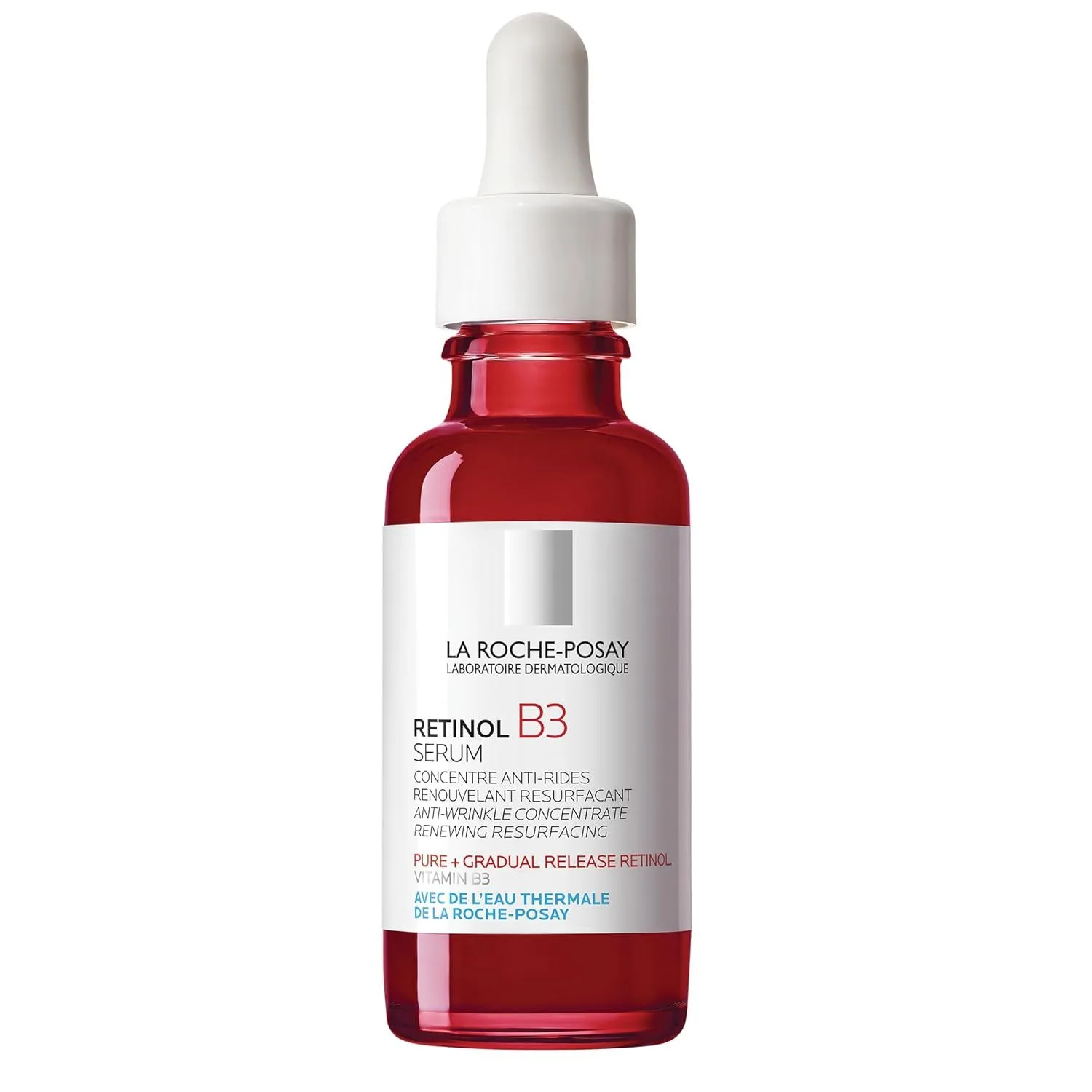
Best niacinamide + retinol combination — clinical dose of both actives in one bottle
Get Luxury Skincare Picks Delivered
One email per week. Honest reviews, no spam.
No spam. Unsubscribe anytime.
Watch: Mad About Skin's take on the Niacinamide in Skincare | Dose Guide
