How to Choose a Serum for Your Skin Type
Serums are the hardest-working step in any skincare routine. They also create the most confusion. With hundreds of options spanning every active ingredient, texture, and price tier, choosing the right one feels like solving an equation with too many variables. This guide breaks it down into clear decisions based on what your skin actually needs.
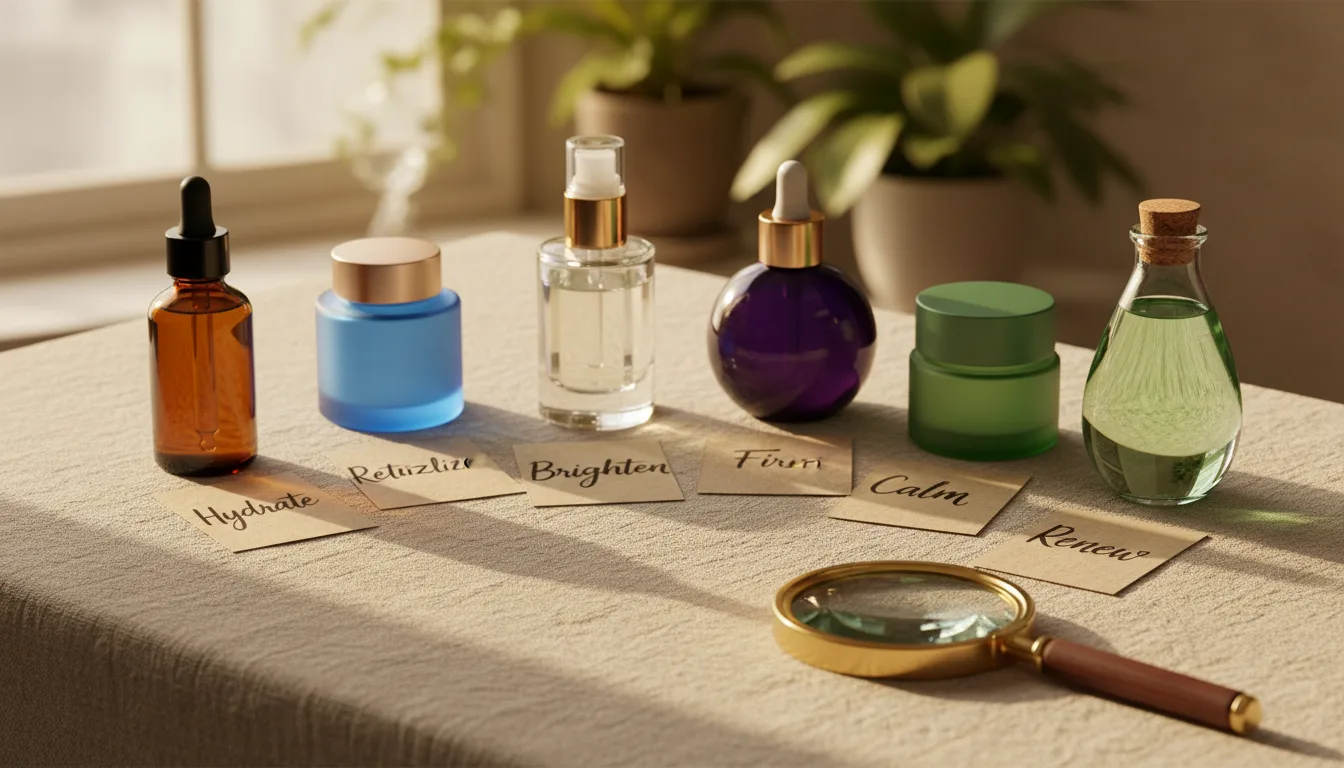
Why Serums Matter More Than Moisturizer
Serums deliver active ingredients at higher concentrations than any other product type. A moisturizer might contain 0.5% niacinamide buried in an emollient base. A serum can deliver 10% Vitamin C directly to your skin. The smaller molecular size of most serum formulas means deeper penetration into the epidermis, where the real changes happen.
This is why dermatologists consistently recommend investing more in serums than in cleansers or moisturizers. Your cleanser washes off. Your moisturizer sits on the surface. But your serum goes to work.
The formulation difference also explains why serums feel different from everything else in your routine. They are intentionally stripped of the heavy emollients, thickeners, and occlusives that give moisturizers their rich texture. That stripped-down base is not a shortcoming — it is the point. By removing the filler ingredients, formulators create a vehicle that carries actives deeper into the skin without interference. A well-made serum prioritizes penetration over comfort, which is why most serums feel thin, absorb quickly, and leave your skin feeling slightly tacky until you layer moisturizer on top. That tackiness is not residue. It is the active ingredients settling into the stratum corneum, the outermost layer of skin where they begin their work.
Match Your Primary Concern First
Every serum targets a specific problem. Trying to address five concerns with one product leads to diluted results. Pick your single biggest skin priority, then choose accordingly. We recommend starting here.
- Dullness and dark spots: Vitamin C serums (L-ascorbic acid or derivatives like viniferine). Start at 10% if your skin is sensitive, work up to 15-20% if tolerated.
- Fine lines and texture: Retinol or retinaldehyde serums. Retinaldehyde converts to retinoic acid 11x faster than retinol — a clinically documented advantage, not marketing.
- Dehydration and tightness: Hyaluronic acid serums, ideally with multiple molecular weights. Low-weight HA penetrates deeper; high-weight HA plumps the surface.
- Loss of firmness: Peptide serums, especially those containing copper tripeptide-1. Results build slowly over 8-12 weeks but the collagen stimulation is real.
- Overall aging: Multi-active serums like Estee Lauder ANR or Clarins Double Serum that combine several pathways in one formula.
If you want to target two concerns, use separate serums: one in the morning, one at night. Vitamin C goes AM (antioxidant protection pairs with SPF). Retinol goes PM (it degrades in sunlight). Hyaluronic acid works both AM and PM.
Texture Tells You More Than Marketing
Pick up the bottle. The consistency of a serum reveals who it was formulated for.
- Water-thin liquids absorb in seconds. Best for oily and combination skin. Examples: Lancôme Génifique, CeraVe Vitamin C.
- Gel serums feel cooling on application and dry matte. Ideal for oily skin in humid climates. Examples: Vichy Minéral 89, Drunk Elephant B-Hydra.
- Cream-serum hybrids straddle the line between treatment and moisture. Best for normal-to-dry skin. Examples: CeraVe Retinol, Obagi Retinol + PHA.
- Oil-based serums feel rich and take longer to absorb. Best for dry skin, especially in winter. Examples: Drunk Elephant Marula Oil, Clarins Double Serum (dual-phase).
Concentration: The Number That Matters Most
Active ingredient percentage is the single most predictive factor for results. A serum with 20% L-ascorbic acid will brighten faster than one with 5% — that is published science, not opinion.
But higher is not always better. Concentration should match your skin's tolerance. Starting at 20% retinol when you have never used the ingredient leads to peeling, redness, and quitting. Start lower and build up every 4-6 weeks.
For Vitamin C specifically, the relationship between concentration and results follows a curve that plateaus around 20%. Studies show diminishing returns above that threshold — a 25% serum does not brighten 25% more than a 20% serum, but it does increase the risk of irritation and stinging by a wide margin. The sweet spot for most skin types falls between 10% and 20%. Sensitive skin stays at the lower end. Resilient, non-reactive skin can push toward 20%. Going beyond that pays for discomfort without proportional payoff.
Watch for undisclosed concentrations. Some brands — including well-known ones — do not publish their active ingredient percentages. That is not inherently bad, but it makes comparison impossible. When two serums cost the same, choose the one that tells you exactly what is inside.
Packaging Affects Potency
L-ascorbic acid oxidizes when exposed to air and light. Retinol degrades under UV. The container your serum comes in directly affects how long the formula stays effective.
- Airless pumps (best): No air contact, precise dosing, protects photosensitive actives. Look for opaque containers.
- Dropper bottles (adequate): Introduce air with each use. Amber or opaque glass helps. Store in a cool, dark place.
- Jars (worst for actives): Maximum air and light exposure. Acceptable for stable ingredients like peptides, not ideal for Vitamin C or retinol.
- Pod systems (innovative): Drunk Elephant's mix-to-activate C-Firma keeps Vitamin C fresh until the moment you open a pod. Clever engineering at a premium price.
Storing your Vitamin C serum in the refrigerator can extend its potency from 8 weeks to 12 weeks. The cold slows oxidation. If your serum turns orange, it has oxidized — potency drops, and it is time for a new bottle.
Price Versus Performance: What Research Shows
An affordable serum with 10% L-ascorbic acid in an airless pump will outperform a luxury serum with undisclosed concentration in a glass dropper. Ingredient quality matters. Packaging matters. Brand name does not correlate with efficacy in published dermatology research.
Where luxury serums earn their premium is formulation elegance — how a serum feels, absorbs, and layers. Tatcha's time-release Vitamin C and Medik8's retinaldehyde encapsulation represent genuine engineering advances that budget brands have not replicated. The question is whether that elegance is worth the price difference to you.
One underappreciated factor in the price-performance equation is shelf stability. Budget serums often use less stable forms of active ingredients or simpler packaging that exposes the formula to air with each use. A mid-range serum in an airless pump might cost twice as much per bottle but maintain full potency for its entire lifespan, while a cheaper dropper-bottle serum loses effectiveness halfway through. Calculate the cost per week of effective use, not just the sticker price. A bottle that stays potent for 12 weeks at a higher price point can deliver better per-day value than a cheaper bottle that degrades after 6 weeks.
Common Serum Mistakes
Applying to dry skin. Water-based serums (especially hyaluronic acid) need moisture to work with. Apply to damp skin after cleansing — the water on your face gives the serum's humectants something to bind. A serum applied to completely dry skin absorbs poorly and can paradoxically increase dryness by pulling water from lower skin layers.
Using too much. A full dropper is wasteful. Two to three drops is enough for the entire face. Serum ingredients are concentrated — using more does not produce better results. It just wastes product and increases the risk of pilling under moisturizer.
Layering incompatible actives. Vitamin C and retinol on the same application can cancel each other out or cause excessive irritation. AHAs and retinol together strip the barrier. Keep actives separated: one in the morning, one at night, or alternate evenings. Your skin can only process so much at once.
Expecting a serum to replace moisturizer. Serums deliver actives. Moisturizers lock in hydration and protect the barrier. These are different jobs. Even the richest serum does not replace the occlusive, barrier-supporting function of a proper moisturizer. Always layer moisturizer on top of your serum.
Chasing trends instead of consistency. A serum needs 6-8 weeks of consistent daily use before you can evaluate results. Switching serums every 2-3 weeks because a new product went viral means you never give anything time to work. Pick one serum per concern, commit for two months, then evaluate honestly.
Ignoring pH compatibility. Active ingredients work within specific pH ranges. Vitamin C (L-ascorbic acid) requires a pH below 3.5 to penetrate the skin effectively — which is why it stings slightly on application. Niacinamide works best at pH 5-7. Layering a low-pH Vitamin C serum directly under a high-pH niacinamide serum can reduce the effectiveness of both. The fix is simple: apply Vitamin C, wait 2-3 minutes for it to absorb and the skin's pH to normalize, then apply your next product. That short pause between layers makes a measurable difference in how well each active performs.
Storing serums in the bathroom. Heat, humidity, and steam accelerate the breakdown of photosensitive ingredients. A bathroom cabinet next to the shower exposes your serums to temperature swings every time you bathe. Store actives like Vitamin C and retinol in a bedroom drawer, a medicine cabinet outside the bathroom, or the refrigerator. Cool, dry, dark storage extends potency by weeks. This matters most for antioxidant serums, which degrade faster than peptide or hyaluronic acid formulas.
When to Upgrade Your Serum
You have been using the same serum for 3-6 months. Your skin has adapted. Results have plateaued. This is the natural time to consider upgrading — either to a higher concentration of the same active or to a more advanced delivery technology.
For Vitamin C: move from 10% to 15%, or from a standard liquid to a pod-based system like Drunk Elephant C-Firma. For retinol: move from CeraVe's encapsulated formula to La Roche-Posay 0.3%, then to Medik8's retinaldehyde. For peptides: move from a basic peptide blend to a copper tripeptide-1 formula like Medik8 Liquid Peptides. The upgrade path follows your skin's increasing tolerance and readiness for more potent formulations.
How to Read a Serum Ingredient List
Ingredients are listed in descending order of concentration. If the star active (Vitamin C, retinol, hyaluronic acid) appears in the bottom third of the list, the product contains very little of it — regardless of what the front label says. A serum marketing "Vitamin C" that lists ascorbic acid after the preservatives is a moisturizer with a trace of Vitamin C, not a treatment serum.
Look for the active within the first 5-7 ingredients. That placement indicates a therapeutic concentration. Water or aqua is almost always first — it is the solvent base. After water, you want to see your target active before the thickeners, emulsifiers, and preservatives. Brands that publish exact percentages (The Ordinary, Medik8, CeraVe) make comparison straightforward. Brands that hide behind proprietary blends make it impossible — and that opacity is usually intentional.
One ingredient to watch for: phenoxyethanol. It is a preservative that appears in the 0.5-1% range. When you spot phenoxyethanol in the list, everything listed after it is present at less than 1%. If your star active appears below phenoxyethanol, the product contains less than 1% of it. For hyaluronic acid, that is still effective (HA works at 0.1-2%). For Vitamin C, 1% is not enough to produce visible brightening — you need 10% or higher. For retinol, sub-1% is actually the normal therapeutic range, so placement below phenoxyethanol does not automatically disqualify the product.
Our Recommended Serums by Skin Goal
- Brightening on a budget: TruSkin Vitamin C Serum — proven results, budget-friendly pricing.
- Sensitive skin brightening: La Roche-Posay Vitamin C10 — neurosensine calming technology.
- Beginner retinol: CeraVe Retinol Serum — encapsulated delivery, minimal irritation.
- Advanced retinoid: Medik8 Crystal Retinal 10 — retinaldehyde, 11x faster than retinol.
- Deep hydration: Vichy Minéral 89 — mineral-rich, universally tolerated.
- Firming and peptides: Medik8 Liquid Peptides — copper tripeptide-1 for collagen stimulation.
- Multi-pathway anti-aging: Estee Lauder Advanced Night Repair — proprietary Chronolux technology targeting multiple aging pathways in one formula.
The pattern across all seven picks is consistent: we recommend formulas where the active ingredient appears in the first five ingredients, the packaging protects potency over time, and the delivery system matches the ingredient's stability profile. The most expensive serum on this list costs roughly six times more than the cheapest. But the budget option outperforms several luxury alternatives in published stability tests. When price and performance diverge this dramatically, ingredient concentration and packaging design are the metrics that matter — brand prestige is not.
Watch: Beauty made easy's take on the How to Choose a Serum for Your Skin Type

Common Serum Questions
How do I know which serum is right for my skin type?
Start with your primary concern, not your skin type. If you want brightening, Vitamin C works across all skin types. For anti-aging, retinol is the gold standard. Hydration needs hyaluronic acid. Then narrow by texture: oily skin does best with lightweight gel serums, while dry skin benefits from richer, oil-based formulas.
Can I use more than one serum at a time?
Yes, but limit yourself to two serums per routine. Apply the thinnest consistency first, then the thicker one. A common combination is Vitamin C in the morning and retinol at night. Avoid layering too many actives at once — your skin can only absorb so much.
What should beginners look for in their first serum?
Start with hyaluronic acid. It hydrates every skin type, rarely causes irritation, and layers under anything. After 2-3 weeks, add a Vitamin C serum in the morning. Retinol can come later, once your skin is accustomed to a routine.
Does price matter when choosing a serum?
Not as much as ingredient concentration and formulation stability. A budget serum with 10% L-ascorbic acid in an airless pump can outperform a luxury serum with undisclosed concentration in a clear glass bottle. Focus on what is inside and how it is packaged.
How long should I try a serum before deciding if it works?
Give any serum at least 6-8 weeks of consistent daily use. Skin cell turnover takes roughly 28 days, so visible changes require at least two full cycles. The exception: if a serum causes burning, persistent redness, or breakouts after a week, stop and switch.
Should I change serums with the seasons?
Many people benefit from seasonal adjustments. In winter, a heavier hydrating serum (hyaluronic acid with B5) helps combat dryness. In summer, lighter gel serums with antioxidants protect against UV damage. Your core actives (Vitamin C, retinol) can stay year-round.
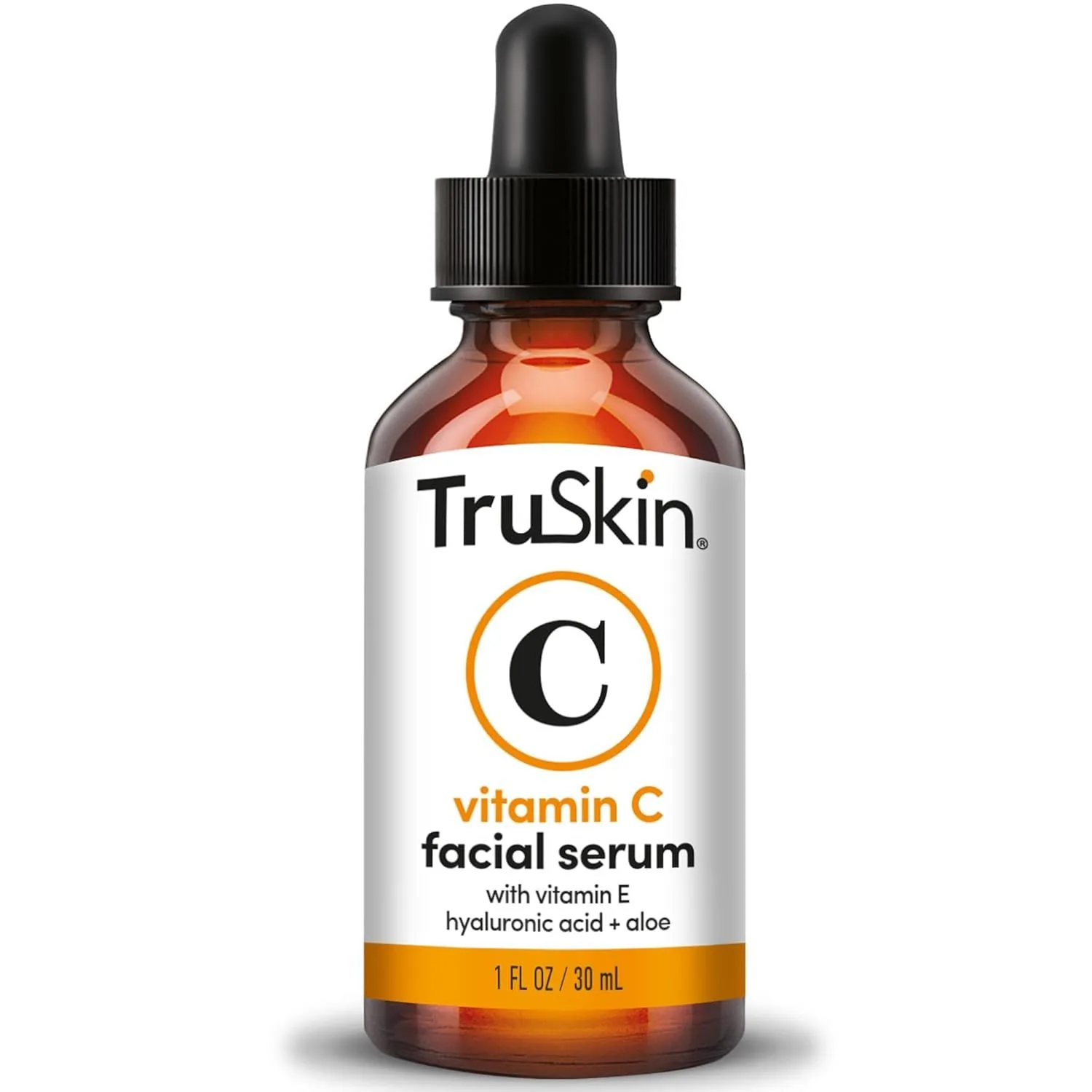
Best all-around serum for beginners — proven results, accessible price. The 20% Vitamin C paired with hyaluronic acid and Vitamin E delivers visible brightening across all skin types.
Get Our Top 3 Picks
Get our top 3 picks for your budget — one email, then only updates.
Only when something changes. Unsubscribe anytime.
Ready to Buy? Start Here
Based on this guide, our #1 recommendation:
Lancôme Génifique Serum Best mainstream luxury anti-aging serum Read Full Review →