Clean Beauty vs Clinical Skincare
"Clean beauty" is one of the fastest-growing categories in skincare. It is also one of the least defined. There is no legal standard, no FDA regulation, and no universal agreement on what "clean" means. Clinical skincare, by contrast, emphasizes research, dermatologist guidance, and active ingredient concentrations that produce measurable results. This guide examines both philosophies honestly — where they overlap, where they conflict, and what the evidence says about each.
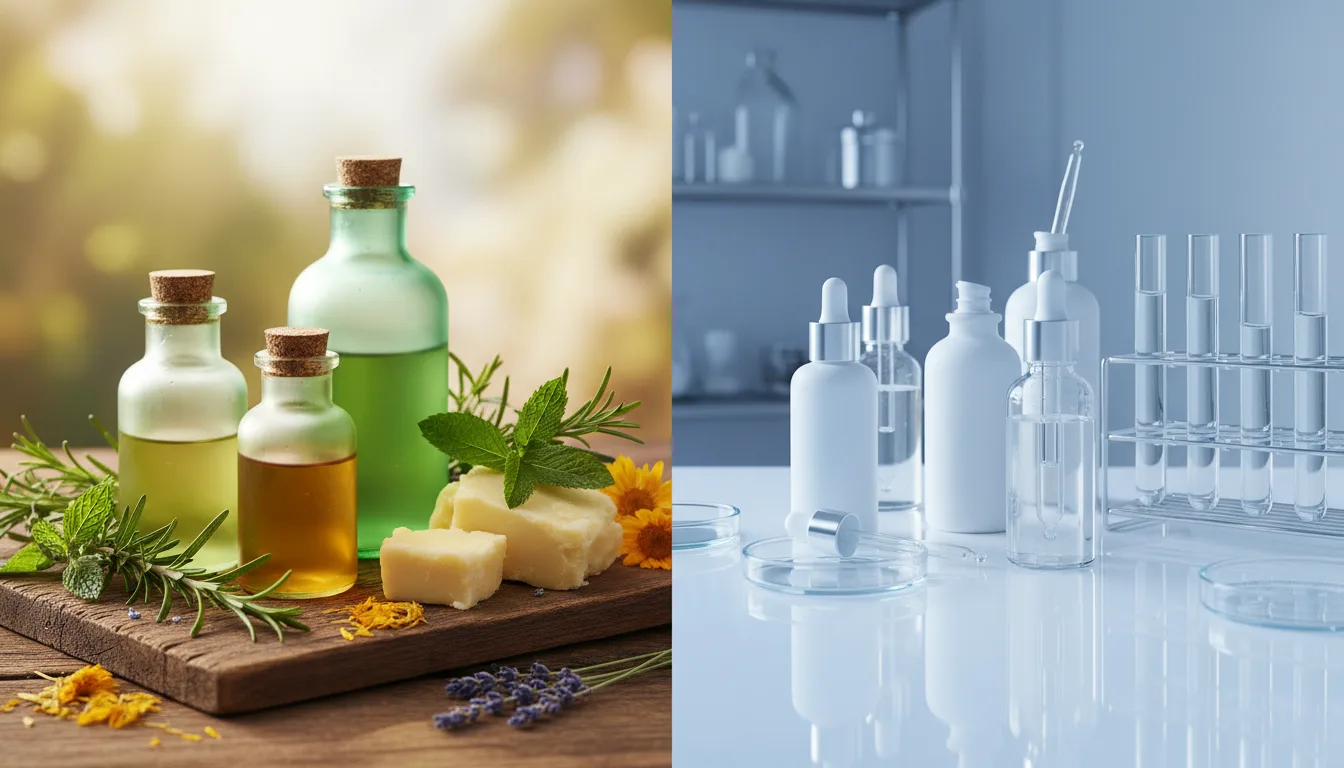
What "Clean Beauty" Actually Means
"Clean beauty" has no legal definition. The FDA does not regulate the term. Each brand creates its own definition — an exclusion list of ingredients they consider harmful, unnecessary, or undesirable. Drunk Elephant excludes their "Suspicious 6" (essential oils, drying alcohols, silicones, chemical sunscreens, fragrances, SLS). OSEA excludes parabens, sulfates, phthalates, mineral oil, and synthetic fragrance. Tatcha excludes parabens, sulfates, and phthalates.
The overlap between exclusion lists is real but incomplete. Some ingredients appear on nearly every clean list (parabens, phthalates, formaldehyde releasers). Others are controversial — silicones, for example, appear on some clean blacklists despite being inert, non-irritating, and widely considered safe by dermatologists.
This lack of standardization creates confusion for consumers who assume "clean" carries regulatory weight. In the European Union, cosmetic safety is governed by Regulation EC 1223/2009, which restricts or bans over 1,300 substances. In the United States, the FDA restricts or bans around 11. Clean beauty brands often imply they are filling a regulatory gap — and in the U.S., that gap is real. But the implication that any product sold in the U.S. without a "clean" label is dangerous is misleading. Thousands of conventional products use the same safe, well-studied ingredients that have been on the market for decades without documented harm at standard concentrations.
Retailer-defined clean standards add another layer of confusion. Sephora's "Clean at Sephora" program, Target's "Clean" icon, and Credo Beauty's "Credo Clean Standard" each maintain independent exclusion lists that overlap but do not match. A product can qualify as clean at Sephora but fail Credo's stricter criteria. A brand reformulating to meet one retailer's standard may still be excluded by another. For consumers shopping across multiple retailers, the "clean" label on the shelf may reflect the store's marketing program rather than the brand's own formulation philosophy. The practical response: ignore the retailer badge and read the actual ingredient list. The ingredients tell you what is in the product. The badge tells you which marketing program the brand enrolled in.
Another complication: clean beauty exclusion lists change. What one brand considers problematic today may be reformulated back into products tomorrow as market trends shift. Phenoxyethanol, once a staple of clean formulas as a paraben replacement, has started appearing on some newer exclusion lists. The goalposts move because the category is defined by consumer perception, not fixed science. This is not inherently bad — consumer pressure has pushed the cosmetics industry toward greater transparency. But it does mean that a "clean" label from 2020 and a "clean" label from 2026 may describe very different ingredient philosophies.
What "Clinical Skincare" Means
Clinical skincare brands position themselves around three pillars: active ingredient research, dermatologist involvement, and measurable results. Obagi formulates at prescription-adjacent concentrations (20% Vitamin C, high-strength retinoids). La Roche-Posay partners with dermatologists and publishes clinical studies. Medik8 develops patented delivery technologies that control how actives penetrate the skin.
The clinical approach prioritizes efficacy over ingredient origin. If a synthetic molecule delivers better results with fewer side effects than a natural alternative, the clinical brand uses the synthetic. This pragmatism can produce superior outcomes — but it also means clinical products sometimes contain ingredients that clean beauty brands exclude.
What separates a strong clinical brand from a weak one is the depth of their evidence. SkinCeuticals, for instance, holds the original patent on the C+E+Ferulic antioxidant combination based on research conducted at Duke University — published data that independent labs have replicated. La Roche-Posay's thermal spring water studies span decades and include over 300 published papers. Contrast this with brands that commission a single 30-person trial, run it in-house rather than through an independent lab, and declare their product "clinically proven." The gap between those two standards is wide enough to matter. Consumers who take clinical claims at face value without checking the supporting research often pay clinical prices for cosmetic-grade evidence.
"Clinical" also varies in rigor. Some brands invest millions in double-blind, placebo-controlled trials and publish their data in peer-reviewed journals. Others run a single in-house study on 20 participants and call the results "clinically proven." The phrase "dermatologist recommended" has no legal threshold — a single dermatologist's endorsement technically qualifies. Consumers evaluating clinical claims should look for specific data points: how many participants, how long the study ran, whether an independent lab conducted the analysis, and whether results were published in a journal with editorial oversight. Brands that share these details openly (SkinCeuticals, La Roche-Posay, Medik8) stand apart from those that use clinical language as pure positioning.
The overlap is growing. The clean vs clinical divide is narrowing. Drunk Elephant uses L-ascorbic acid at 15% with ferulic acid — a formulation straight from clinical research. La Roche-Posay has removed parabens from most formulas despite considering them safe. Medik8 is cruelty-free. The smartest brands in both categories are adopting each other's strengths while maintaining their core philosophy.
The Ingredient Debate: What Science Says
Parabens
Clean beauty's most-excluded ingredient. Parabens are preservatives that prevent bacterial and fungal growth in water-based products. The concern: a 2004 study detected parabens in breast tumor tissue. The context: that study has been widely criticized — it did not prove causation, the concentrations were trace-level, and multiple larger studies have found no link between cosmetic paraben use and cancer. The EU limits paraben concentration to 0.4% (single) or 0.8% (combined). At these levels, the scientific consensus considers them safe.
The replacement problem: paraben-free products use alternative preservatives like phenoxyethanol, potassium sorbate, or sodium benzoate. Some of these are less effective, meaning products may have shorter shelf lives or be more susceptible to contamination. Phenoxyethanol, one of the most common replacements, has its own skin-sensitization potential at high concentrations.
Silicones
Silicones (dimethicone, cyclomethicone, cyclopentasiloxane) create a smooth, silky texture and fill fine lines visually. They are inert — they do not react with skin cells, do not clog pores in most people, and do not absorb into the body. Clean beauty brands exclude them primarily for environmental concerns (cyclomethicone persists in water systems) and the perception that they are "not natural."
For skin health, silicones are neutral. They form a breathable barrier that reduces water loss without causing irritation. For people with acne-prone skin, some silicones can contribute to clogged pores — but this is individual, not universal.
The environmental concern around silicones is more grounded than the skin-safety concern. Cyclopentasiloxane (D5) persists in aquatic environments and has been restricted in wash-off products by the EU since 2020. Leave-on products still use it widely. Dimethicone, the most common silicone in skincare, is less environmentally mobile and less controversial. If environmental impact drives your purchasing decisions, distinguishing between silicone types matters — a blanket ban on all silicones is broader than the environmental data supports.
Synthetic Fragrances vs Essential Oils
Clean beauty replaces synthetic fragrances with essential oils and plant extracts. From a skin-safety perspective, this is not an improvement. Essential oils are complex mixtures of dozens of compounds, many of which are known allergens and sensitizers. Linalool (in lavender oil), limonene (in citrus oils), and eugenol (in clove oil) are among the most common causes of cosmetic contact dermatitis.
Synthetic fragrances are also potential sensitizers — but they are chemically defined (one molecule) and can be dosed precisely. The safest option for skin health is always fragrance-free: no synthetic fragrance, no essential oils, no masking agents of any kind.
The fragrance debate reveals a deeper pattern in the clean vs clinical divide: the assumption that "natural" means "gentle" does not hold up under dermatological scrutiny. Patch-test studies consistently show that botanical extracts and essential oils cause more contact allergies than many synthetic alternatives. The International Fragrance Association (IFRA) maintains a list of restricted fragrance materials — and several natural compounds appear on that list. For people with eczema, rosacea, or a history of allergic reactions, the clean beauty emphasis on plant-derived scent can be counterproductive. Fragrance-free clinical formulations exist specifically because dermatologists see these reactions daily in practice.
"Natural" and "clean" are not synonyms for gentle. Poison ivy is natural. Arsenic is natural. In skincare, the relevant question is not "is this ingredient natural?" but "does this ingredient at this concentration have safety data supporting its use on skin?" Check specific ingredients against published dermatology research rather than relying on marketing labels.
Where Clean Beauty Excels
- Environmental sustainability. Many clean brands prioritize recyclable packaging, sustainable sourcing, and carbon-neutral operations. OSEA's Climate Neutral certification and reef-safe ingredients reflect genuine environmental commitment. Clinical brands rarely emphasize sustainability to the same degree.
- Ingredient transparency. Clean brands tend to publish complete ingredient lists prominently, explain why each ingredient is included, and disclose what they exclude. This transparency helps educated consumers make informed choices.
- Sensory experience. Botanical ingredients often provide pleasant textures and subtle natural scents. OSEA's seaweed-based products have a distinctive oceanic feel. Tatcha's Japanese botanicals create a ritualistic sensory experience. For people who enjoy the process of skincare, clean beauty products can make the routine more pleasurable.
- Cruelty-free practices. Most clean beauty brands are cruelty-free (no animal testing). This aligns with ethical concerns that matter to a growing consumer base.
Clean beauty has also pushed the broader industry toward better practices in measurable ways. Even brands that reject the "clean" label have reformulated products to remove controversial preservatives, switched to recyclable packaging, and increased ingredient transparency on their websites. Consumer demand drove these changes. The clean movement's greatest contribution may not be the products themselves but the pressure it applies to every company — clean or clinical — to justify their ingredient choices publicly.
The community aspect of clean beauty deserves mention too. Clean beauty consumers tend to be more engaged, more informed, and more vocal about ingredient safety than the average skincare buyer. Online communities dedicated to ingredient analysis — Reddit's SkincareAddiction, dedicated clean beauty forums, TikTok dermatology channels — have democratized formulation knowledge that was previously accessible only to cosmetic chemists. This informed consumer base forces brands to answer harder questions about why a specific preservative was chosen, why a concentration was set at a particular level, and whether a supplier meets ethical sourcing standards. The pressure improves the entire market, not just the clean segment.
Where Clinical Skincare Excels
- Active ingredient concentration. Clinical brands typically use higher concentrations of proven actives. Obagi's 20% L-ascorbic acid, Medik8's retinaldehyde formulation, and La Roche-Posay's pharmaceutical-grade niacinamide deliver measurable results backed by published studies.
- Delivery technology. Encapsulated retinol (CeraVe), time-release systems (Medik8 Crystal Retinal), and pod-activation (Drunk Elephant C-Firma — which straddles both categories) represent formulation engineering that maximizes efficacy while minimizing irritation.
- Published evidence. The strongest clinical brands cite specific studies, not just testimonials. La Roche-Posay has partnered with over 25,000 dermatologists globally. Obagi publishes clinical trial data. This evidence base allows consumers to evaluate claims against data.
- Problem-solving formulation. Clinical products are designed to address specific skin conditions: hyperpigmentation, acne, rosacea, aging. The approach is targeted and results-oriented. Clean products tend to target broader concerns like "hydration" or "radiance."
The clinical approach also benefits from a feedback loop with medical dermatology. Dermatologists prescribing tretinoin, hydroquinone, or azelaic acid need over-the-counter products that complement prescription regimens without interference. Clinical skincare brands formulate with these pairings in mind. A retinol serum designed to be layered with prescription adapalene behaves differently than a botanical retinol alternative that was never tested alongside prescription actives. For people managing diagnosed skin conditions under a dermatologist's care, clinical products integrate more predictably into treatment plans.
Ingredient stability represents another clinical advantage that rarely gets marketing attention. Clinical formulations invest in pH buffering, airless packaging, and encapsulation technologies that keep active molecules potent from the first use to the last. L-ascorbic acid (Vitamin C) is notoriously unstable — it oxidizes on contact with air and light, losing efficacy within weeks in a poorly designed formula. Clinical brands like SkinCeuticals solve this with precise pH formulation (below 3.5 for optimal absorption) and amber glass packaging. Clean brands using the same molecule sometimes package it in clear glass with dropper caps that expose the formula to air twice daily, or they switch to more stable but less potent Vitamin C derivatives (ascorbyl glucoside, magnesium ascorbyl phosphate) that do not require the same engineering but also do not deliver the same clinical results. The formulation engineering behind a clinical product is invisible on the ingredient list — two products with identical ingredients can perform very differently based on pH, particle size, encapsulation method, and packaging design.
The practical approach. You do not need to choose one philosophy exclusively. Use clinical actives where efficacy matters most (retinol, Vitamin C, SPF) and clean products where ingredient origin matters to you (cleansers, moisturizers, body care). The best routine is built on results, not ideology.
The Price Premium Question
Clean beauty products often cost more than their clinical counterparts at equivalent active concentrations. The premium reflects several factors: smaller production batches, sustainable packaging materials, organic ingredient sourcing, and third-party certifications (each of which involves testing fees and operational changes). Whether that premium is "worth it" depends on what you value beyond efficacy.
If ingredient sourcing, environmental impact, and ethical practices matter to you, the clean premium funds genuine operational differences. If raw efficacy per dollar is your priority, clinical products typically deliver more active ingredient for less money. A La Roche-Posay retinol serum provides the same molecule as an organic retinol serum at roughly half the price point. The molecule does not know whether it was sourced sustainably. Your skin cells cannot distinguish between a retinol molecule synthesized in a pharmaceutical lab and one extracted from a plant source — the chemical structure is identical, and the biological response is the same.
The supply chain economics tell an interesting story. Clean beauty brands sourcing organic rosehip oil from small cooperatives in Chile pay a higher per-liter cost than clinical brands buying synthetic retinyl palmitate in bulk from a pharmaceutical supplier. That cost difference is real, not inflated — organic agriculture yields less product per acre, fair-trade premiums add to raw material costs, and cold-press extraction is less efficient than synthetic synthesis. The question for consumers is whether those upstream differences matter enough to you to absorb the downstream price increase. For some, supporting sustainable agriculture and fair labor practices is worth every additional dollar. For others, the molecule arriving at your skin is identical regardless of origin, and the premium funds a supply chain story rather than a skincare outcome.
The pragmatic middle ground: invest in clinical formulations for your high-concentration actives (retinol, Vitamin C, exfoliants) where the chemistry matters more than the sourcing. Choose clean products for cleansers, moisturizers, and body care where the active ingredient concentration is less critical and the daily-use sensory experience matters more — the Naked & Thriving Night Set pairs a fruit AHA resurfacing serum with nourishing plant oils for a clean nighttime ritual that delivers real results. This approach maximizes both efficacy and enjoyment without overpaying for botanical retinol that works identically to synthetic retinol. We recommend starting here.
Certifications Worth Knowing
EWG Verified: The Environmental Working Group evaluates ingredients against their database of safety studies. Verified products meet their standards for health, transparency, and good manufacturing practices. Rigorous but sometimes criticized for overstating risks of well-studied ingredients.
COSMOS Organic: International standard for organic and natural cosmetics. Requires minimum percentages of organic ingredients, restricts synthetic inputs, and audits the full supply chain. One of the most credible certifications in the clean space.
Leaping Bunny: The gold standard for cruelty-free certification. Requires no animal testing at any stage of product development, including by ingredient suppliers. Stricter than the "cruelty-free" label some brands self-apply.
B Corp: Broader than skincare — certifies the company's social and environmental impact across all operations. Meeting B Corp standards requires changes to corporate governance, worker treatment, community engagement, and environmental practices. Expensive to obtain and maintain, which signals genuine commitment.
Third-party certifications matter because self-regulation in clean beauty is inconsistent. A brand can claim "clean," "natural," or "non-toxic" without meeting any external standard. Certifications add accountability — an independent auditor reviews ingredient lists, supply chains, and manufacturing processes against published criteria. They are not perfect (EWG has been criticized for conservative risk assessments that sometimes diverge from scientific consensus), but they are measurably more reliable than unverified marketing claims. If you care about the values behind a product, look for the certification logos, not just the front-of-package language.
Making Your Own Informed Choice
The most common mistake consumers make in the clean vs clinical debate is treating it as binary — as if every product must belong to one camp. In practice, the best skincare routines draw from both. A morning routine might include a clinical Vitamin C serum (SkinCeuticals C E Ferulic, formulated at the pH and concentration supported by clinical data) followed by a clean mineral sunscreen (OSEA's zinc-based SPF, reef-safe and packaged in recycled materials). An evening routine might pair a clinical retinaldehyde (Medik8 Crystal Retinal) with a clean botanical moisturizer (Tatcha Dewy Skin Cream). The molecules do not conflict. The brand philosophies do not interact on your skin.
Three questions cut through the marketing noise for any product, clean or clinical:
- What specific active ingredient does this contain, and at what concentration? "Plant extracts" is not an answer. "2% niacinamide" is. If a brand cannot tell you the concentration of its key active, the product is likely underdosed.
- Is there published research supporting the key claims? Not customer testimonials — published, peer-reviewed research. The best brands link to their studies. The worst hide behind vague phrases like "clinically tested" without sharing the data.
- Does the exclusion of an ingredient have a scientific basis or a marketing basis? Excluding formaldehyde-releasers has a scientific basis (known sensitizers). Excluding silicones has a marketing basis (consumer perception, not safety data). Know the difference before paying a premium for "free from" labels.
A fourth question worth asking: who profits from your confusion? The clean vs clinical debate generates content, drives product launches, and creates an artificial sense of urgency to replace products that are working fine. If your current routine delivers results and does not irritate your skin, no label — clean, clinical, or otherwise — should pressure you into switching. Reformulate when you have a reason: a new skin concern, a product that stopped working, or a value (sustainability, cruelty-free sourcing) that was not reflected in your previous purchases. Do not reformulate because a marketing campaign made you afraid of an ingredient that has been safely used in cosmetics for forty years. The best skincare decision is often the one you already made — and keeping it.
Frequently Asked Questions
Is clean beauty safer than clinical skincare?
Not necessarily. "Clean" does not mean safer — it means the product excludes certain ingredients the brand considers undesirable. Many excluded ingredients (parabens, silicones, phenoxyethanol) have decades of safety data. Meanwhile, some "clean" alternatives (essential oils, natural fragrances) are known skin sensitizers. Safety is determined by formulation, concentration, and clinical testing — not by whether a product carries a "clean" label.
Are parabens actually dangerous?
Current scientific consensus says no, at concentrations used in cosmetics. The 2004 study linking parabens to breast cancer has been widely criticized for methodological flaws and has not been replicated. The EU, FDA, and Cosmetic Ingredient Review panel all consider parabens safe at regulated concentrations. Parabens are effective preservatives that prevent bacterial growth — their replacements are sometimes less effective and can cause more skin reactions.
What does "clinical-grade" mean in skincare?
There is no legal definition. Brands use "clinical" to imply dermatologist involvement, higher active concentrations, or published studies supporting their claims. Some clinical brands (Obagi, La Roche-Posay, Medik8) invest heavily in research and publish data. Others use the label as marketing. Look for specific claims backed by cited studies, not just the word "clinical" on the packaging.
Can I mix clean and clinical products in my routine?
Absolutely. There is no chemical incompatibility between "clean" and "clinical" products. An OSEA seaweed cleanser followed by a Medik8 retinaldehyde serum works fine. Ingredient interactions depend on the actual molecules, not the brand philosophy. Check for ingredient conflicts (AHA + retinol on the same night, for example), not label conflicts.
What certifications should I look for in clean beauty?
EWG Verified, COSMOS Organic, Leaping Bunny (cruelty-free), B Corp (sustainability), and Climate Neutral certified are the most rigorous. Each has specific criteria that must be met. A brand claiming "clean" without third-party certification is self-regulating — the claim means whatever they want it to mean. OSEA holds Climate Neutral certification. Drunk Elephant follows a "suspicious 6" exclusion list but is not third-party certified.
Are natural ingredients better for sensitive skin?
Often the opposite. Natural ingredients like essential oils, plant extracts, and botanical fragrances are among the most common causes of contact dermatitis. Lavender oil, tea tree oil, and citrus extracts are well-documented skin sensitizers. Synthetic alternatives are often purer, more consistent, and less likely to cause reactions. For sensitive skin, a synthetic fragrance-free formula is typically safer than a "natural" formula scented with essential oils.
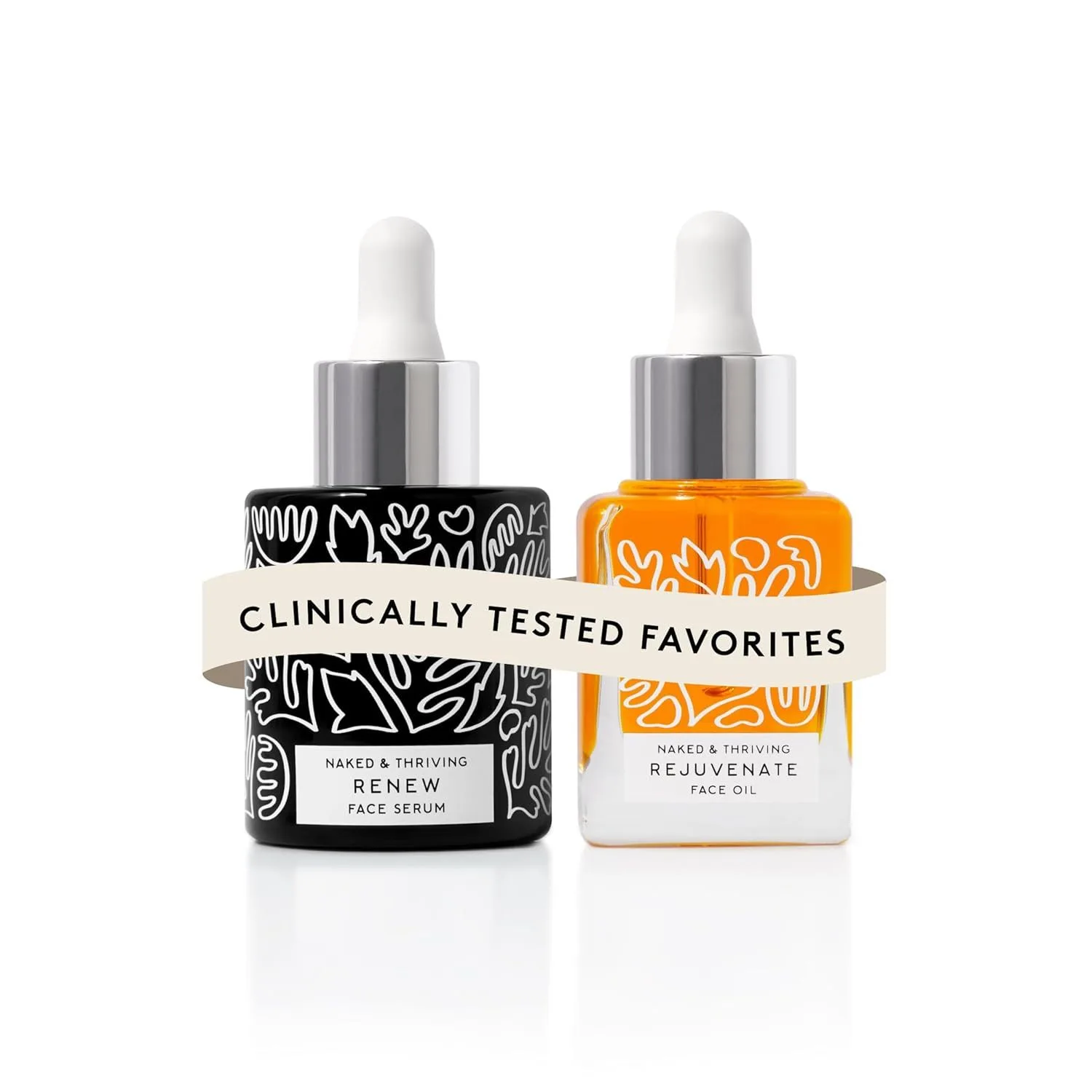
Best clean-meets-clinical night routine — real actives, sustainable sourcing
Get Our Top 3 Picks
Get our top 3 picks for your budget — one email, then only updates.
Only when something changes. Unsubscribe anytime.
Watch: Jay Shetty Fan Channel's take on the Clean Beauty vs Clinical Skincare
