Drunk Elephant Marula Oil vs ELEMIS Cleansing Balm: Which Is Better in 2026?
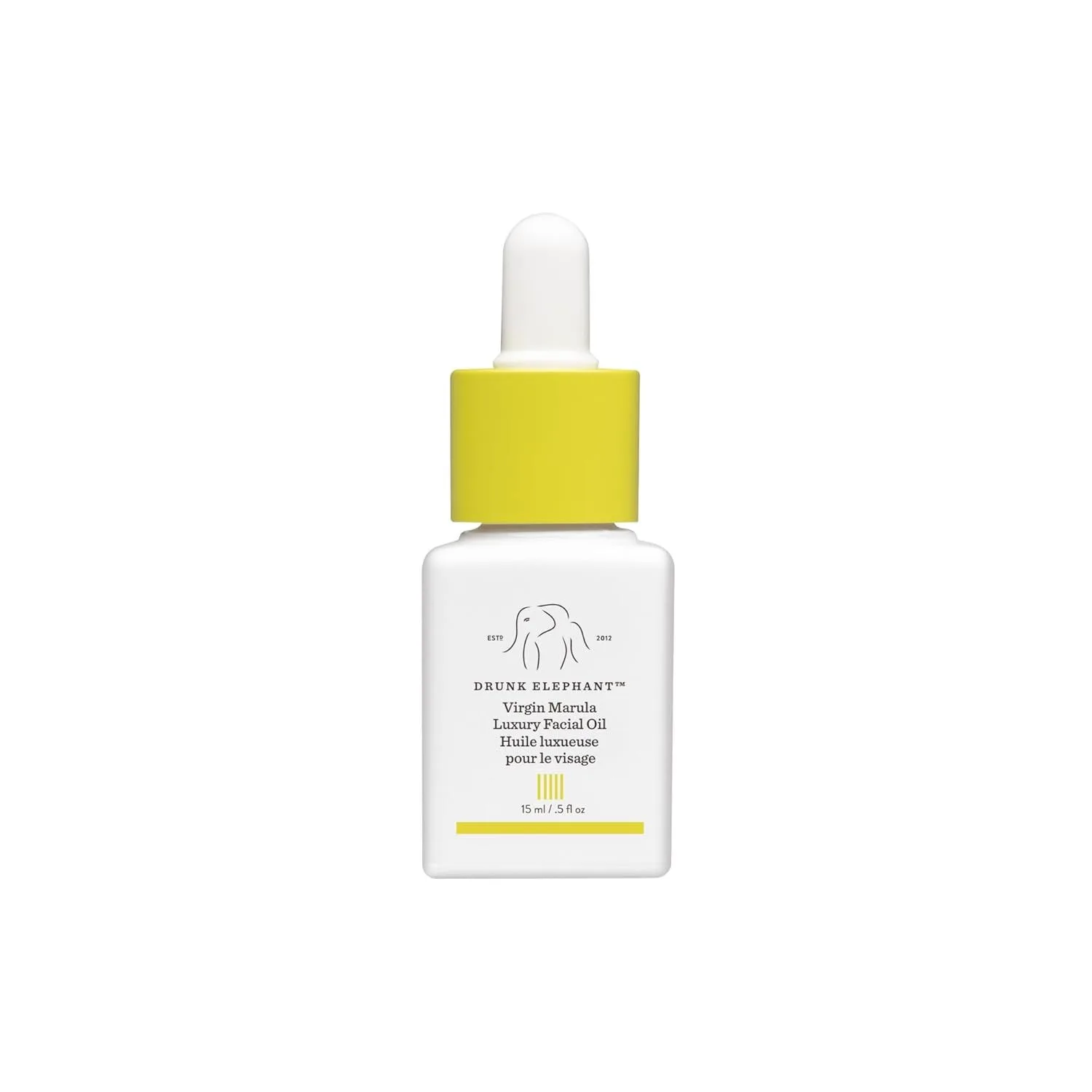
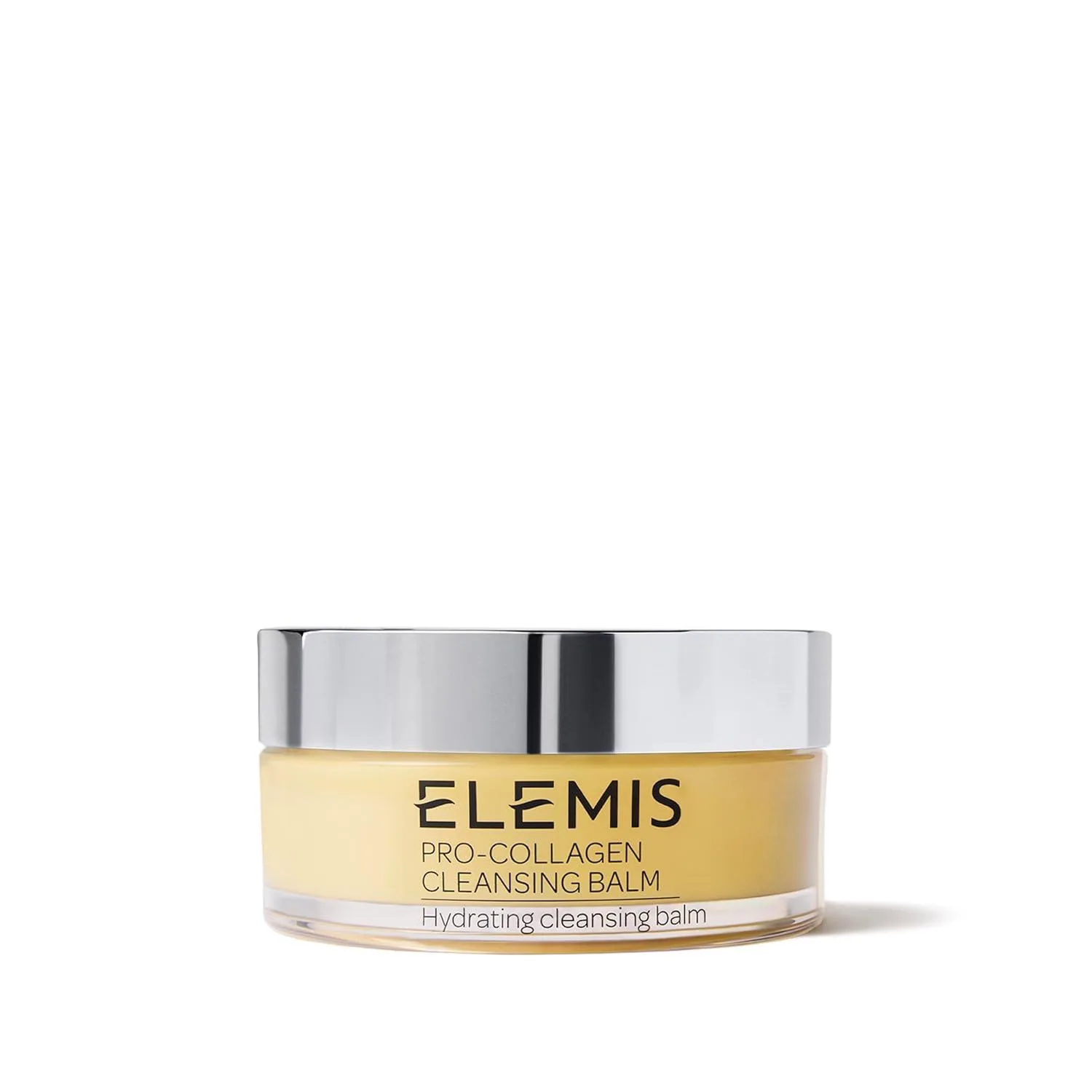
A facial oil and a cleansing balm are not the same product — but they compete for the same spot in your skincare budget. Drunk Elephant's cold-pressed Marula Oil is built to nourish, protect, and strengthen the skin barrier. The ELEMIS Pro-Collagen Cleansing Balm is a 9-botanical balm that dissolves makeup and daily grime while leaving skin moisturized. Both are modestly more expensive, oil-based, and luxurious. The question is not which is better in the abstract — it is which role your routine needs filled.
Quick Verdict: Drunk Elephant Marula Oil wins on pure nourishment, antioxidant protection, and ingredient simplicity — one oil, no filler, maximum barrier support. ELEMIS Cleansing Balm wins on cleansing power, value per use, sensory experience, and integration into a multi-step routine. If your routine already has a good cleanser and needs moisture depth, the Marula Oil fills that gap. If your current cleanser strips your skin or feels like a chore, the ELEMIS Balm transforms both the step and the result.
At a Glance
| Feature | Drunk Elephant Virgin Marula Luxury Facial Oil | ELEMIS Pro-Collagen Cleansing Balm |
|---|---|---|
| Price Range | $25–$50 | $25–$50 |
| Size | 15ml / 0.5 fl oz | 100g / 3.5 oz |
| Best Skin Type | Dry to combination | All skin types |
| Key Ingredient | 100% Virgin Marula Oil | Rose Wax + Padina Pavonica + Elderberry |
| Active Concentration | 100% pure | Concentrated balm |
| Texture | Lightweight facial oil | Solid balm (melts to oil) |
| Fragrance | Fragrance-free (natural nutty scent) | Herbal aromatherapy scent |
| See Availability | See Availability |
What Each Product Actually Does — And Why They Share a Category
Facial oils and cleansing balms both belong to the oil-based skincare family, but they work at opposite ends of a routine. The Drunk Elephant Marula Oil is a treatment product — you apply it to clean skin to deliver Omega 6 and 9 fatty acids, antioxidants, and moisture directly into the barrier. It sits on your face. The ELEMIS Cleansing Balm is a removal product — you massage it onto dry skin to dissolve sunscreen, foundation, and pollution particles, then rinse it off. It leaves your face. The shared "oil" foundation is what brings them into the same shopping decision, because many buyers looking through our Best Cleansers & Facial Oils roundup are choosing which oil-based product to prioritize next. That is the real comparison: which category of oil-based product delivers more impact per dollar for your specific skin situation?
The distinction matters because some buyers mistake cleansing balms for moisturizing products. The ELEMIS Balm does leave skin feeling hydrated — the rose and mimosa wax base has emollient properties that prevent the tight, stripped sensation common with foaming cleansers. But that residual softness is a side benefit of the cleansing action, not a dedicated treatment. The Marula Oil, by contrast, is designed to remain on the skin for hours, delivering fatty acids continuously. Confusing these two functions leads to either over-cleansing (using the balm as a moisturizer and not locking in actual moisture) or under-cleansing (skipping a proper cleanser because you applied a facial oil). They are complements, not substitutes — a fact we address in detail in our skincare application order guide.
Ingredient Philosophy: One Pure Oil vs a 9-Botanical Blend
Drunk Elephant made an extreme editorial decision with the Marula Oil: one ingredient. The entire bottle is cold-pressed virgin marula oil — no preservatives, no stabilizers, no fragrance, no secondary actives. This purity means every drop delivers the full fatty acid profile of the marula kernel: oleic acid for deep penetration, linoleic acid for barrier support, plus natural antioxidants including tocopherols and phenolic compounds. The argument for simplicity is strong — fewer ingredients means fewer potential irritants, fewer interactions with other products in your routine, and complete transparency about what is touching your skin.
ELEMIS took the opposite approach with the Cleansing Balm. The formula layers nine botanical oils and waxes: rose wax and mimosa wax form the solid balm base, elderberry oil adds antioxidant richness, starflower oil contributes gamma-linolenic acid, and Padina Pavonica (a Mediterranean brown algae) delivers the Pro-Collagen element that gives the product its name. The additional botanicals include lavender, chamomile, and geranium oils that create the balm's signature herbal aromatherapy scent. Each ingredient serves the cleansing action — the waxes dissolve oil-based impurities, the plant oils condition the skin surface, and the algae extract adds a smoothing effect.
Neither philosophy is inherently superior. The Marula Oil's single-ingredient purity appeals to minimalists and anyone who has experienced reactions to multi-botanical products. The ELEMIS formula's complexity delivers a richer sensory experience and a broader range of botanical benefits during the cleansing step. For users who track every ingredient on CosDNA or INCIDecoder, the Marula Oil's one-line INCI list is refreshingly simple. For users who value a multi-sensory ritual, the ELEMIS blend creates an experience that a single clear oil cannot replicate.
Daily Moisture and Skin Barrier Reinforcement
This is the Marula Oil's primary territory and the category where it dominates. Cold-pressed marula oil contains approximately 70-78% oleic acid — a monounsaturated fatty acid that penetrates the stratum corneum and reinforces the intercellular lipid matrix. The remaining fatty acid profile includes 4-7% linoleic acid, plus palmitic and stearic acids in smaller fractions. These lipids integrate into the skin's own barrier architecture, reducing transepidermal water loss (TEWL) measurably within days of consistent use.
Applied morning and evening, 2-3 drops of the Marula Oil create a thin protective film that holds in moisture without occluding pores the way heavier oils (like argan or avocado) tend to. The oil absorbs within 60-90 seconds on most skin types — faster than many multi-ingredient facial oil blends that include thicker carrier oils. Users with dry skin report a visible reduction in flaking and tightness within the first week. Users with combination skin find that a single drop patted onto drier zones (cheeks, jawline) adds moisture without triggering excess sebum production in the T-zone.
The ELEMIS Cleansing Balm contributes to moisture indirectly. Its rose and mimosa wax base does leave a light conditioning film after rinsing — skin feels softer than it would after a gel or foam cleanser. But this residual hydration is a fraction of what a dedicated facial oil provides. The balm's job is to cleanse without stripping, not to actively replenish the lipid barrier. Calling the balm "moisturizing" is technically accurate but functionally misleading — it preserves existing moisture during cleansing rather than adding new moisture. For targeted nourishment, the Marula Oil is in a different class entirely.
Cleansing Power and Makeup Removal
The ELEMIS Cleansing Balm is one of the most effective makeup removers available without a prescription. The solid balm melts on contact with warm skin, transitioning from a waxy solid to a silky oil that clings to and dissolves oil-based impurities — waterproof mascara, long-wear foundation, mineral sunscreen, accumulated sebum. Massage it across dry skin for 60 seconds, add water to emulsify (the texture shifts again from oil to a milky liquid), and rinse. The entire process takes under two minutes and removes a full day of makeup and environmental debris without friction or cotton pads.
The transformation from balm to oil to milk is not just functional — it is the product's signature experience. The texture changes provide tactile feedback that tells you the product is working, and the herbal scent (star anise, lavender, chamomile) turns a routine step into something that feels indulgent. Over 15,800 Amazon reviewers have given it a 4.6-star average, and the most common praise centers on that sensory transformation: the product makes people look forward to washing their face.
The Drunk Elephant Marula Oil is not a cleanser. You could theoretically use it for a basic oil-cleanse (massage onto skin, wipe with a warm cloth), and some users do. But the oil is not formulated with emulsifiers — it will not rinse clean with water alone, and using it as a cleanser wastes an expensive treatment product on a task that cheaper oils handle just as well. The Marula Oil's value is as a leave-on treatment, not a wash-off product. For actual cleansing, the ELEMIS Balm is purpose-engineered for the task and performs at an elite level.
Value Per Use: Which Stretches Further?
Both products are affordably priced, but the cost per use tells a very different story. The ELEMIS Cleansing Balm contains 100g of product. A single use requires roughly 1-1.5 grams (a cherry-sized amount), yielding approximately 65-100 uses per jar. At once-daily use, that is 2-3 months per jar — among the longest-lasting luxury cleansers available. The per-use cost lands in a range that competes favorably with mass-market cleansers that lack the botanical richness and sensory polish.
The Drunk Elephant Marula Oil contains 15ml. At 2-3 drops per application and twice-daily use, the bottle lasts approximately 6-8 weeks. The per-drop cost is high for a single-ingredient oil — other brands sell comparable cold-pressed marula oil in larger volumes at lower price points. What justifies the Drunk Elephant premium is sourcing: the brand specifies unrefined, cold-pressed virgin marula from traceable sources, with no hexane extraction or chemical refinement. That purity comes at a cost, and the small bottle size amplifies the per-use math.
If your primary concern is daily luxury at sustainable cost, the ELEMIS Balm delivers more uses, more product volume, and a lower per-use price point. The Marula Oil concentrates its value into a smaller, more potent package — fewer uses, but each use delivers a treatment that the balm cannot replicate. Budget-conscious buyers who want one oil-based luxury product will get more mileage from the ELEMIS. Buyers who prioritize targeted skin treatment over volume will accept the Marula Oil's faster depletion rate in exchange for what each drop delivers.
Versatility and Routine Integration
The Marula Oil fits into more routine configurations than the Cleansing Balm. Apply it as the final oil step in a morning routine before sunscreen. Use it as an overnight treatment mixed into your night cream. Dab it on cuticles, dry elbows, or split ends. Add a few drops to foundation for a dewier finish. The single-ingredient, fragrance-free formula plays well with virtually every other product — retinols, peptides, hyaluronic acid, niacinamide. There are no known interactions or conflicts. That flexibility makes the Marula Oil a utility player that earns its shelf space across multiple use cases beyond just facial skincare.
The ELEMIS Cleansing Balm has one job, and it does that job brilliantly. You use it to cleanse. It is the first step of an evening routine (or the first step of a double-cleanse if you follow the balm with a water-based cleanser). Some users enjoy the sensory experience enough to use it as a morning cleanse as well, though most dermatologists suggest a lighter morning wash to preserve the skin's overnight recovery layer. The balm is not designed for spot use, body application, or mixing with other products. Its specificity is part of its excellence — it was engineered for one function and optimized entirely around that function.
For routine flexibility, the Marula Oil wins by a wide margin. It serves multiple purposes across multiple body zones with zero reformulation required. The Cleansing Balm is a specialist — outstanding within its lane, but confined to that lane. Users who build minimalist routines with multi-use products will extract more value from the Marula Oil. Users who prefer dedicated products for each routine step will appreciate the ELEMIS Balm's focused engineering.
The Sensory Experience: Which Feels More Luxurious?
The ELEMIS Cleansing Balm wins this category decisively — and it is not particularly close. The experience starts when you twist open the glass jar and the herbal scent hits: star anise, lavender, chamomile, and rose wax blending into something that smells like an expensive spa treatment. Scoop the firm, opaque balm with dry fingers and it begins melting immediately against skin warmth. The balm-to-oil phase is silky and slow, giving you 30-40 seconds of massage before the product fully liquefies. Add water and the oil transforms again into a milky emulsion that rinses clean. Three distinct textures in under two minutes. Every phase feels intentional.
The Drunk Elephant Marula Oil is pleasant but straightforward. The dropper dispenses a clear, slightly golden oil with a faint nutty scent that most users describe as neutral. You pat it onto skin, it absorbs, you move on. The experience is clean and efficient — satisfying in its simplicity. But there is no transformation, no aromatherapy, no textural evolution. The oil does what an oil does, and it does it well. For users who view skincare as a functional task, the Marula Oil's no-ceremony approach is a virtue. For users who view skincare as a daily ritual — a moment of intentional self-care — the ELEMIS Balm creates an experience that no single-ingredient oil can match.
Shelf Life, Storage, and Stability
Virgin marula oil is a relatively stable oil — its high oleic acid content and natural tocopherol antioxidants give it a longer shelf life than many polyunsaturated oils (like rosehip, which oxidizes rapidly). Drunk Elephant packages the oil in an amber glass bottle with a dropper, which blocks some UV degradation but does expose the oil to air with every use. Stored away from direct sunlight and heat, the oil maintains its potency for 6-12 months after opening. The most obvious sign of degradation is a shift in smell — rancid marula oil develops an off-putting, sharply nutty odor that is distinctly different from the fresh product's mild scent.
The ELEMIS Cleansing Balm is remarkably stable. The solid wax base protects the botanical oils from oxidation far more effectively than a liquid format would. The glass jar with a twist-off lid does allow some air exposure, but the density of the balm means only the surface layer contacts air — the product underneath stays sealed by its own mass. Properly stored (cool, dry, lid firmly closed), the balm lasts well past its 12-month PAO (period after opening) marker. Users who scoop with clean, dry fingers rather than wet hands avoid introducing water that could promote microbial growth. Both products are stable enough for normal bathroom storage, but the ELEMIS Balm's solid format gives it an inherent stability advantage over the liquid Marula Oil.
Who Should Get Which?
Get Drunk Elephant Marula Oil If...
- Your skin needs more moisture and barrier support — dryness, flaking, or tightness are your primary concerns
- You prefer minimalist formulas with total ingredient transparency (one ingredient, zero unknowns)
- You want a multi-use product that works on face, cuticles, elbows, and hair
- You already have a cleanser you love and need a dedicated nourishment step
- Your routine includes actives like retinol or acids that benefit from an occlusive oil layer afterward
Get ELEMIS Cleansing Balm If...
- Your current cleanser leaves skin feeling tight, dry, or stripped after washing
- You wear makeup or heavy sunscreen daily and need thorough removal without harsh rubbing
- You want the most luxurious step in your routine to be the one you do every single day
- Value per use matters — you want a premium product that lasts 2-3 months of daily use
- You appreciate aromatherapy and multi-texture sensory experiences in your skincare
Skin Type Breakdown
Dry skin: Both products serve dry skin well, but through different mechanisms. The Marula Oil addresses dryness directly — Omega fatty acids integrate into the barrier and reduce water loss. The Cleansing Balm addresses dryness indirectly — by replacing a stripping cleanser with one that preserves and lightly conditions. For severely dry skin, the Marula Oil provides more targeted relief. For moderately dry skin, the Cleansing Balm may be the smarter first purchase because it fixes the cleansing step that might be causing the dryness in the first place.
Oily and acne-prone skin: Approach the Marula Oil with caution. Its high oleic acid content sits well with dry and normal skin, but oily skin types may find it too heavy or pore-clogging — patch test for at least a week before committing. The ELEMIS Balm is generally safer for oily skin as a cleanser, since it rinses off completely. The residual conditioning film is light enough that most oily skin types tolerate it without breakouts. If you double-cleanse (balm followed by gel cleanser), the ELEMIS fits oily routines comfortably.
Sensitive skin: The Marula Oil's single-ingredient formula is the safer choice for reactive skin — no fragrance, no essential oils, no botanical extracts that could trigger a response. The ELEMIS Balm contains lavender, chamomile, and geranium essential oils that most skin tolerates but that can provoke reactions in genuinely sensitive or rosacea-prone skin. The star anise fragrance component is the most common sensitivity trigger in the formula. If your skin reacts to essential oils or strong fragrances, the Marula Oil's neutral profile is the lower-risk option.
Combination skin: Use the Marula Oil strategically — 1-2 drops on drier zones (cheeks, jawline) while avoiding the T-zone. The Cleansing Balm works uniformly across combination skin because it rinses off, making oil distribution a non-issue. Combination skin types often get the most value from the ELEMIS Balm because it replaces a cleanser that may be over-drying the cheeks while under-cleaning the T-zone. A single balm cleanse addresses both zones equally.
What Long-Term Users Report
The Drunk Elephant Marula Oil has accumulated over 6,200 Amazon reviews with a 4.5-star average. The most consistent praise focuses on absorption speed — reviewers repeatedly note that the oil sinks in faster than expected, without the greasy residue that heavier oils leave. Long-term users (6+ months) describe cumulative barrier improvement: fewer dry patches, less seasonal sensitivity, and a baseline "glow" that persists even on days they skip the oil. The most common criticism is the price-to-volume ratio — at 15ml, the bottle empties fast, and repeat purchases add up quickly. A smaller subset of reviewers with oily skin report breakouts, reinforcing the patch-test recommendation for anyone with clog-prone pores.
The ELEMIS Cleansing Balm carries over 15,800 reviews at a 4.6-star average — one of the highest-rated luxury cleansers on the platform. Long-term users describe it as the product that made them enjoy washing their face. The sensory transformation (balm to oil to milk) is cited more often than any functional benefit, which speaks to the product's emotional value: it makes a mandatory daily task feel like a chosen indulgence. The most frequent criticism targets the herbal scent — distinctive enough that a minority of users find it overpowering, particularly if used in the morning when sensitivity to fragrance is higher. Some users also note that the balm requires thorough rinsing — a quick splash of water leaves a residue that can interfere with subsequent product absorption.
Where Each Fits in a Complete Routine
Understanding where these products sit in a full skincare sequence clarifies why they are not interchangeable. The ELEMIS Cleansing Balm occupies Step 1 — the very first action in an evening routine. It goes onto dry skin before water, before any other product. After massage and emulsification, it rinses off, taking the day's accumulation with it. Some routines add a water-based cleanser as Step 2 (double cleansing), but the ELEMIS Balm can also stand alone if you are not wearing heavy makeup. Either way, the balm is a wash-off product that exits the routine before treatment begins.
The Drunk Elephant Marula Oil occupies a later position — typically Step 5 or 6, after cleansing, toning, serum application, and eye cream. Oils create a semi-occlusive layer that traps the water-based products underneath, so application order matters: thinnest to thickest, water-based before oil-based. Apply 2-3 drops after your serum has absorbed, pressing (not rubbing) the oil into skin. If you use a moisturizer as well, the oil can go either before or after the cream depending on its thickness — lighter lotions go before the oil, heavier creams go after. Our skincare application order guide maps the complete sequence with exceptions for each active type.
The Combined Approach: Both Products in One Routine
Rather than choosing between them, experienced skincare users often conclude that both products deserve a place in the same evening routine. The pairing is logical: the ELEMIS Balm handles removal (Step 1), and the Marula Oil handles nourishment (Step 5-6). Between them, a toner, serum, and eye cream complete the sequence. The balm prepares skin for absorption by clearing the surface of impurities and excess sebum, while the oil seals in the treatment layers applied afterward. Users who run this combination report that the Marula Oil absorbs faster and performs better on freshly balm-cleansed skin than on skin washed with a foaming or gel cleanser — the residual conditioning from the ELEMIS formula seems to prime the surface for oil absorption.
The cost of running both products simultaneously is meaningful but not extreme. The ELEMIS Balm lasts 2-3 months and the Marula Oil lasts 6-8 weeks, so you are replacing the oil more frequently. Staggering purchases (buying one when the other runs out) spreads the expense across more pay cycles. For users who view oil-based skincare as their routine's foundation, the combined approach delivers more complete results than either product alone — cleansing and nourishment from two products that share an oil-based philosophy but serve entirely different functions.
Frequently Asked Questions
Can I use both the Drunk Elephant Marula Oil and ELEMIS Cleansing Balm together?
Yes — they pair extremely well. Use the ELEMIS Cleansing Balm first to dissolve makeup, sunscreen, and daily buildup, then follow with the Drunk Elephant Marula Oil as your nourishing oil step. The balm removes, the oil replenishes. This two-step combination covers both cleansing and moisture in a single oil-based routine.
Which product is better for dry skin specifically?
Both serve dry skin, but through different mechanisms. The Marula Oil delivers concentrated Omega 6 and 9 fatty acids directly to the skin barrier — it is a pure moisture treatment. The Cleansing Balm nourishes during the cleansing step, so skin feels hydrated rather than stripped afterward. For dry skin, the Marula Oil has a more targeted and lasting moisturizing effect.
How long does each product last with daily use?
The ELEMIS Cleansing Balm at 100g typically lasts 2-3 months with once-daily use, making the per-use cost quite low for a luxury product. The Drunk Elephant Marula Oil at 15ml lasts roughly 6-8 weeks with twice-daily use of 2-3 drops. The balm delivers more uses per purchase.
Is the ELEMIS Cleansing Balm sufficient as a standalone cleanser?
For most skin types and makeup levels, yes. The balm dissolves waterproof mascara, sunscreen, and foundation when properly emulsified with water. Some users with oily or acne-prone skin prefer a double-cleanse method — following the balm with a water-based gel cleanser to remove any residual oil film.
Does Marula Oil clog pores or cause breakouts?
Marula oil has a comedogenic rating of 3-4 on a 5-point scale, which means it can trigger breakouts in acne-prone skin. Drunk Elephant argues that their cold-pressed extraction keeps the fatty acid profile intact and reduces clogging risk. Users with oily or acne-prone skin should patch test on the jawline for a week before full-face application.
Why compare a facial oil against a cleansing balm?
Both are oil-based skincare products in the same category, and many buyers are choosing which oil-based product to add next. The comparison addresses a real shopping decision: spend on a luxury oil for nourishment, or spend on a luxury cleanser that changes how your entire routine begins. For budget-conscious buyers, these two rarely coexist in the same cart.
The Bottom Line
The Drunk Elephant Marula Oil and the ELEMIS Pro-Collagen Cleansing Balm answer different skincare questions, and the right choice depends entirely on which question your routine is currently asking. If your skin is dehydrated, flaky, or lacking barrier strength, the Marula Oil delivers concentrated fatty acid nourishment with zero complexity — one ingredient, one purpose, executed with the purity that justifies a premium price. If your cleansing step is harsh, boring, or ineffective against heavy makeup and sunscreen, the ELEMIS Balm replaces it with a product that cleanses thoroughly while nourishing the skin surface and creating a sensory experience that makes the daily task feel worth anticipating.
Both products are among our top picks in the Cleansers and Facial Oils category because they each represent the best version of their respective product type. The Marula Oil is the purest single-ingredient facial oil we have reviewed. The ELEMIS Balm is the most satisfying cleansing experience available at this price tier. If your budget allows both, use them together — the balm to cleanse, the oil to nourish. If you must choose one, let your routine's biggest gap make the decision. A missing nourishment step points to the Marula Oil. A punishing cleansing step points to the ELEMIS Balm. Neither choice is wrong.
See Both Products in Action


Track Both Products
We'll email you if either price drops or availability changes.
Only when something changes. Unsubscribe anytime.