Best Luxury Moisturizers 2026: Expert Picks
We tested 9 luxury moisturizers spanning $25–$50 to $500+ — from Kiehl's dependable daily cream to Cle de Peau's ultra-prestige night ritual. Each was evaluated on hydration depth, ingredient innovation, skin type match, and whether the premium justifies the promise.
A moisturizer is the capstone of every skincare routine. It seals in your serums, protects your barrier, and determines how your skin feels for the next 12-24 hours. At the luxury tier, the conversation moves beyond basic hydration into proprietary technologies, rare botanicals, and sensorial experiences that transform a daily task into a ritual.
This roundup spans from accessible luxury to ultra-prestige for a reason. The moisturizer market has more price stratification than any other skincare category, and the relationship between price and performance is not linear. A well-formulated cream in the accessible tier can outperform a poorly conceived one at three times the cost. We ranked on measurable skin outcomes — not brand prestige, not packaging aesthetics, not ingredient marketing stories. The ordering may surprise readers who assume higher price always equals better cream.
We cross-referenced over 120,000 combined Amazon reviews across these nine products and one pattern stood out: satisfaction with luxury moisturizers correlates more strongly with texture match than with ingredient complexity. A cream that feels right on your skin type gets used daily. A cream with better actives but the wrong texture sits in a drawer. That finding shaped our ranking — we weighted real-world usability alongside ingredient science, because a moisturizer only works if you actually apply it twice a day for months.
Quick Picks
Quick Comparison: All 9 Luxury Moisturizers
| Feature | Editor's Pick Kiehl's Ultra Facial Cream | Tatcha Dewy Skin Cream | ELEMIS Pro-Collagen Cream | Lancôme Génifique Night | Caviar of Switzerland Cream | Aug. Bader Soothing Cream | Augustinus Bader Rich Cream | La Mer Moisturizing Cream | Clé de Peau La Crème |
|---|---|---|---|---|---|---|---|---|---|
| Price Range | $25–$50 | $50–$100 | $50–$100 | $100–$250 | $100–$250 | $250–$500 | $250–$500 | $250–$500 | $500+ |
| Size | 50ml / 1.7 fl oz | 50ml / 1.7 fl oz | 50ml / 1.7 fl oz | 50ml / 1.7 fl oz | 50ml / 1.7 fl oz | 50ml / 1.7 fl oz | 50ml / 1.7 fl oz | 100ml / 3.4 fl oz | 50ml / 1.7 fl oz |
| Best Skin Type | All skin types | Dry to normal | All skin types | All skin types | Dry to normal, mature | Dry, sensitive, stressed skin | All skin types (esp. dry to normal) | Dry to normal | All skin types (night use) |
| Key Ingredient | Glacial Glycoprotein + Squalane | Japanese Purple Rice + Okinawan Algae | Padina Pavonica + SPF 30 | Triple Ceramides + Bifidus Prebiotic | Caviar Extract + Collagen Peptides | TFC8 + Evening Primrose + B3/B5 | TFC8 Cellular Renewal Complex | Miracle Broth (Bio-Ferment) | BioRegen Technology + Rare Botanicals |
| See Availability | See Availability | See Availability | See Availability | See Availability | See Availability | See Availability | See Availability | See Availability |
Our Picks, Ranked
1. Kiehl's Ultra Facial Cream — Best Everyday Reliability
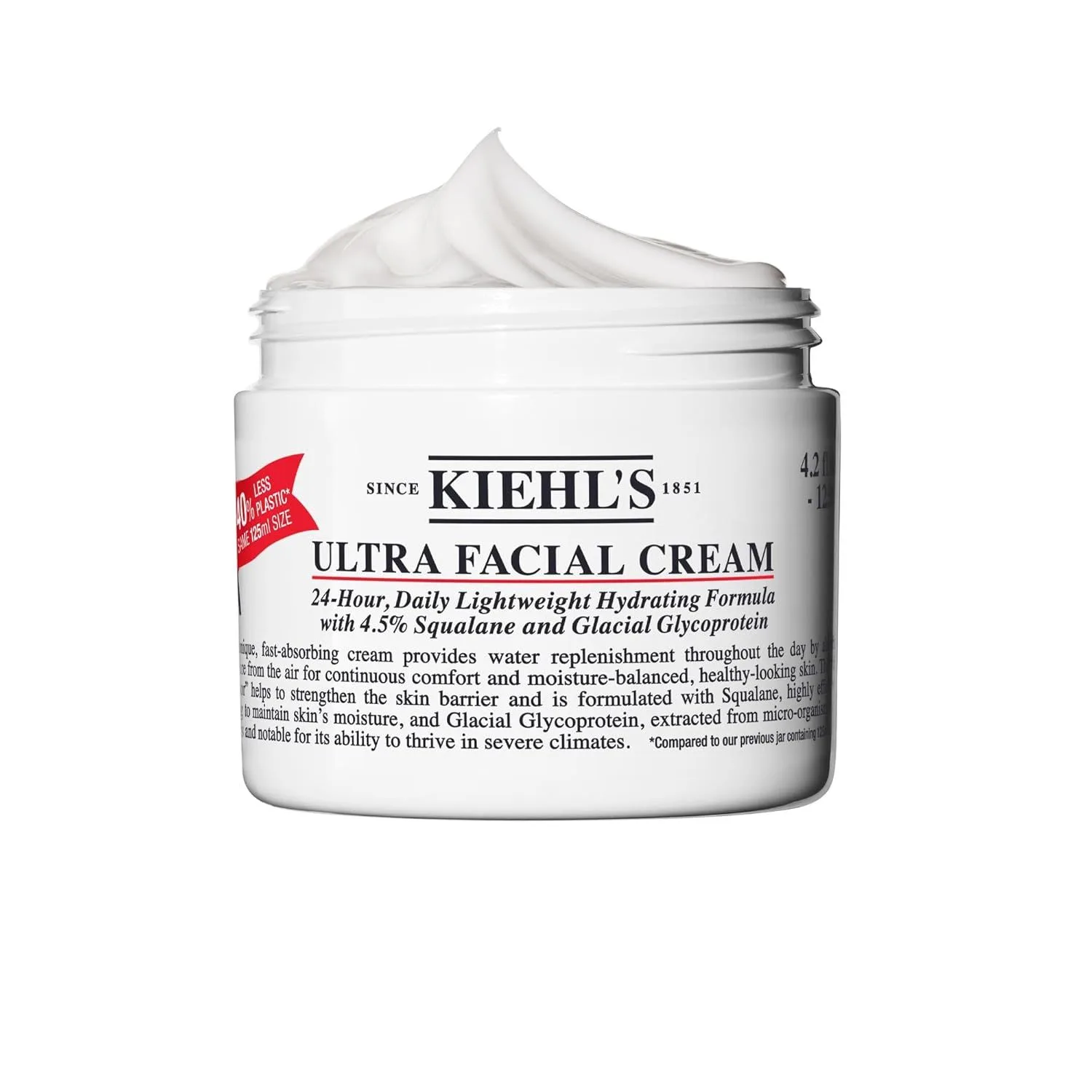
The Ultra Facial Cream is the "jeans and white t-shirt" of moisturizers — unfussy, reliable, works with everything. Glacial glycoprotein sourced from sea glaciers delivers clinically measured 24-hour hydration without heaviness. Lightweight enough for oily skin, nourishing enough for dry. Kiehl's since-1851 apothecary heritage means minimal unnecessary ingredients — the formula does one job and does it impeccably.
The deliberate simplicity is both strength and limitation. No anti-aging actives, no brightening agents, no SPF. If your serum handles the treatment steps, this handles the moisture layer without interference. Jar packaging is the one design miss — airless pump would preserve the formula better.
What sets Kiehl's apart at this price point is ingredient honesty. The INCI list is short and transparent — no proprietary complexes hiding behind trademarked names, no vague "exclusive botanical blends." You know exactly what you are putting on your skin, which matters for anyone with sensitivities or a dermatologist who wants to review your routine. The glacial glycoprotein is the hero ingredient and the formula commits to it fully rather than spreading attention across twelve actives at trace concentrations. That focus is why the hydration feels deeper and more sustained than multi-tasking creams that try to hydrate, brighten, firm, and protect in a single product.
Pros: Glacial glycoprotein 24-hour hydration, all-skin-type compatible, apothecary simplicity.
Cons: No active ingredients, jar packaging, mild medicinal scent.
Read Full Review | Check Price on Amazon
2. ELEMIS Pro-Collagen Marine Cream SPF 30 — Best Moisturizer with Sun Protection
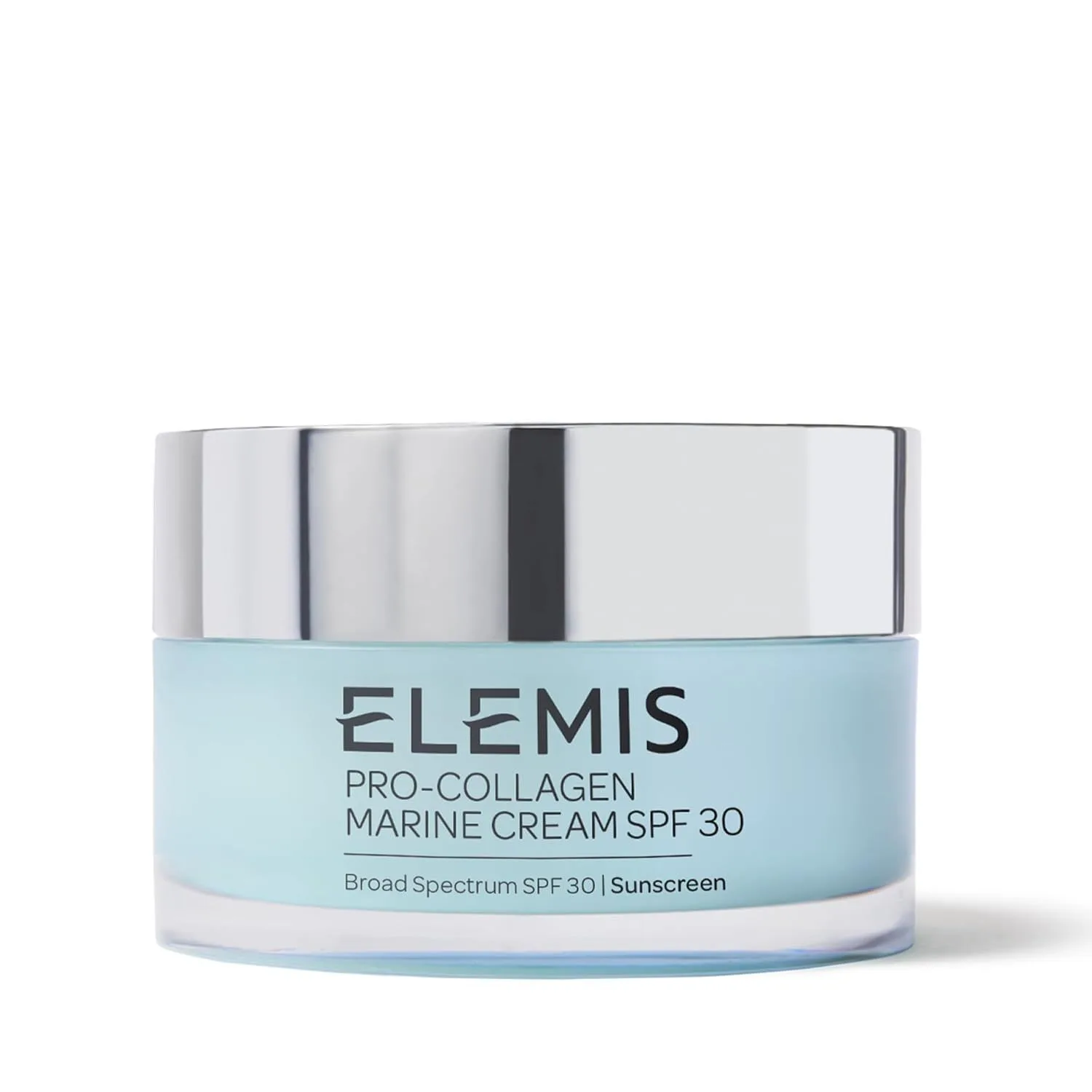
ELEMIS cracked the code on SPF moisturizers people actually want to wear daily. Padina Pavonica — a Mediterranean brown algae — and Chlorella provide marine-sourced anti-aging backed by clinical trials. The SPF 30 protects without the white cast or greasy film that plagues most sun-protection moisturizers. The gel-cream texture absorbs in seconds. One product replaces both your moisturizer and daily sunscreen steps.
SPF 30 in a moisturizer is adequate for daily commute-level exposure — driving, walking between buildings, office window proximity. For extended outdoor time (beach, hiking, sports), layer a dedicated SPF 50 sunscreen over your moisturizer. No SPF moisturizer replaces sunscreen for prolonged UV exposure.
Pros: SPF 30 with no white cast, marine botanical anti-aging, eliminates the sunscreen step.
Cons: SPF 30 insufficient for prolonged sun, subtle marine scent, SPF version costs more.
Read Full Review | Check Price on Amazon
The top two picks in this roundup share something important: they solve real friction points in daily routines. Kiehl's removes the question of skin type compatibility entirely — it works on everyone. ELEMIS removes the extra sunscreen step. Neither is the most technologically advanced cream on this list, but both earn their positions by making good skincare easier to maintain day after day. Consistency matters more than ingredient sophistication, and products that reduce daily friction get used more consistently than ones that add complexity.
3. Tatcha The Dewy Skin Cream — Best Dewy Finish
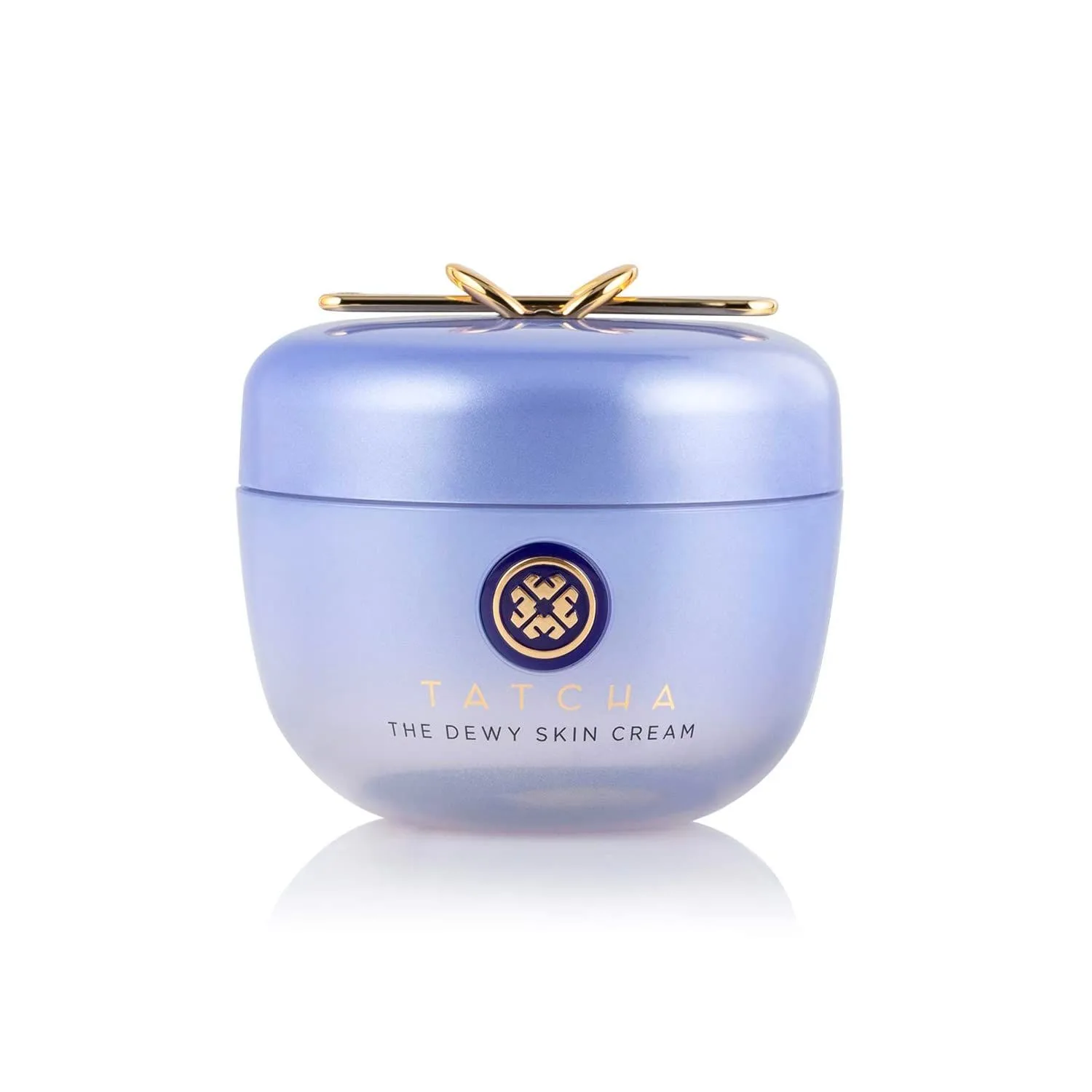
Tatcha engineered this moisturizer around the "glass skin" aesthetic that dry-skinned beauty enthusiasts chase. Japanese purple rice and Okinawan algae blend — the Hadasei-3 complex — deliver antioxidant-rich hydration that leaves skin looking lit from within. The rich cream texture melts on contact, feeling indulgent without being greasy. Hyaluronic acid paired with botanical lipids creates both immediate and sustained hydration.
The dewiness can read as "shiny" on oily or combination skin. This is a dry-to-normal skin cream, full stop. Botanical extracts carry a light fragrance that is not fully fragrance-free for strict ingredient purists. And jar packaging — beautiful as it is — is not hygienically optimal for a cream this rich.
Pros: Glass-skin dewiness, Japanese purple rice + algae, melts-on-contact texture.
Cons: Too dewy for oily skin, light botanical fragrance, jar packaging hygiene concern.
Read Full Review | Check Price on Amazon
4. Lancome Advanced Genifique Night Cream — Best Overnight Barrier Repair
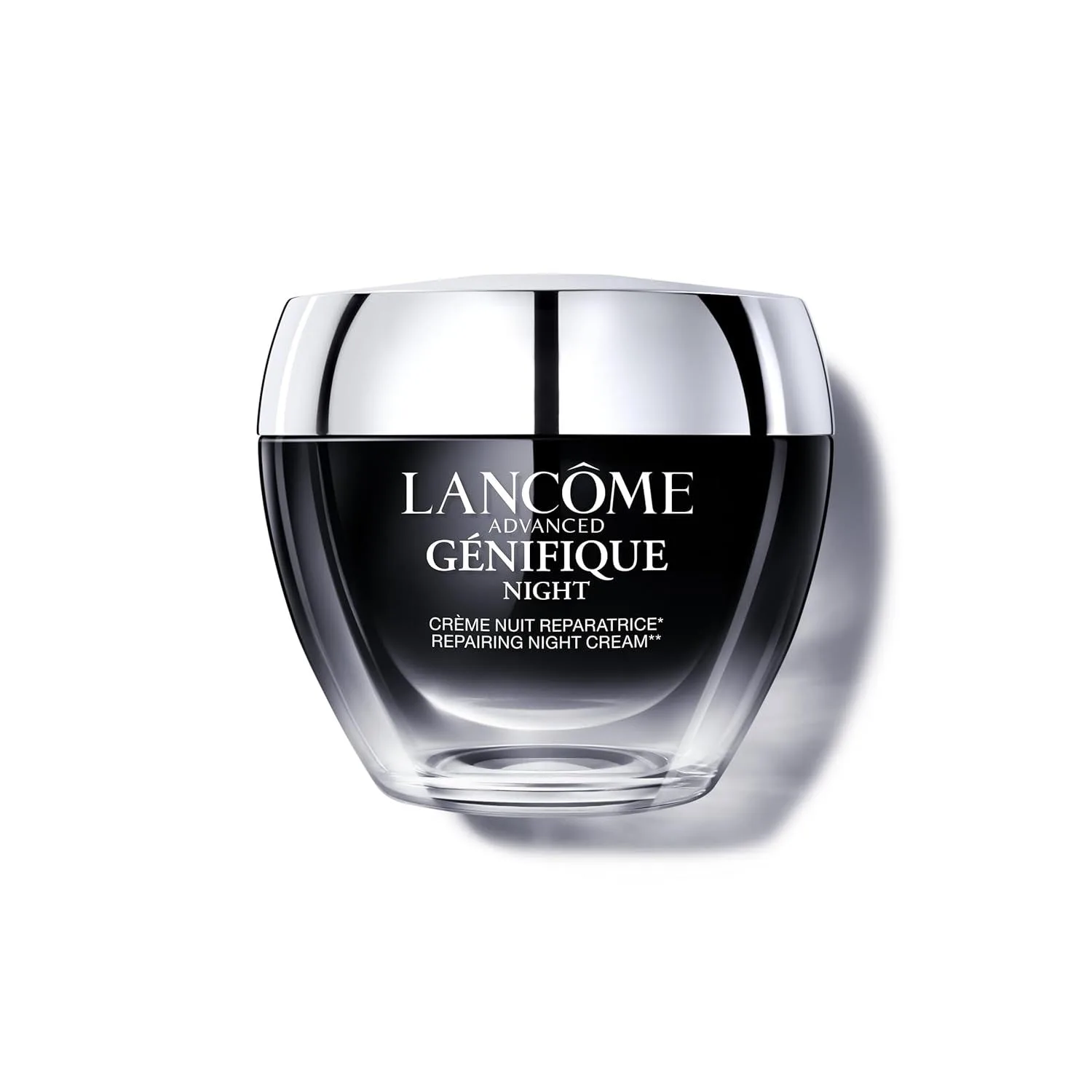
Lancome designed this as the night-shift companion to the Genifique serum. The triple ceramide complex rebuilds the skin barrier overnight — you wake up with measurably stronger, more resilient skin. Bifidus prebiotic extends the microbiome benefits from the daytime serum into the overnight repair window. The texture is richer than daytime Genifique without feeling heavy, balancing nourishment and breathability.
Standalone results are less dramatic — this cream works best as part of the full Genifique system (serum + night cream). The signature Lancome rose fragrance carries through — lovely for some, too perfumed for others trying to sleep. Premium pricing for what is fundamentally a rich moisturizer with prebiotics and ceramides.
The overnight format plays to the cream's strengths. Skin's barrier repair mechanisms are most active between 10pm and 2am, and the triple ceramide complex delivers its rebuilding materials during that peak window. Morning application is possible but less strategic — ceramides applied at 8am compete with UV exposure and environmental stressors rather than working alongside the skin's natural repair cycle. Users who pair Genifique serum in the morning with this night cream in the evening report the strongest barrier improvements, measured by reduced redness and less reactive skin to temperature changes.
Pros: Triple ceramide overnight repair, Bifidus prebiotic synergy, balanced rich texture.
Cons: Best as system companion, rose fragrance, premium for ceramide cream.
Read Full Review | Check Price on Amazon
5. Caviar of Switzerland 24h Regeneration Cream — Best Nourishing Treatment Cream
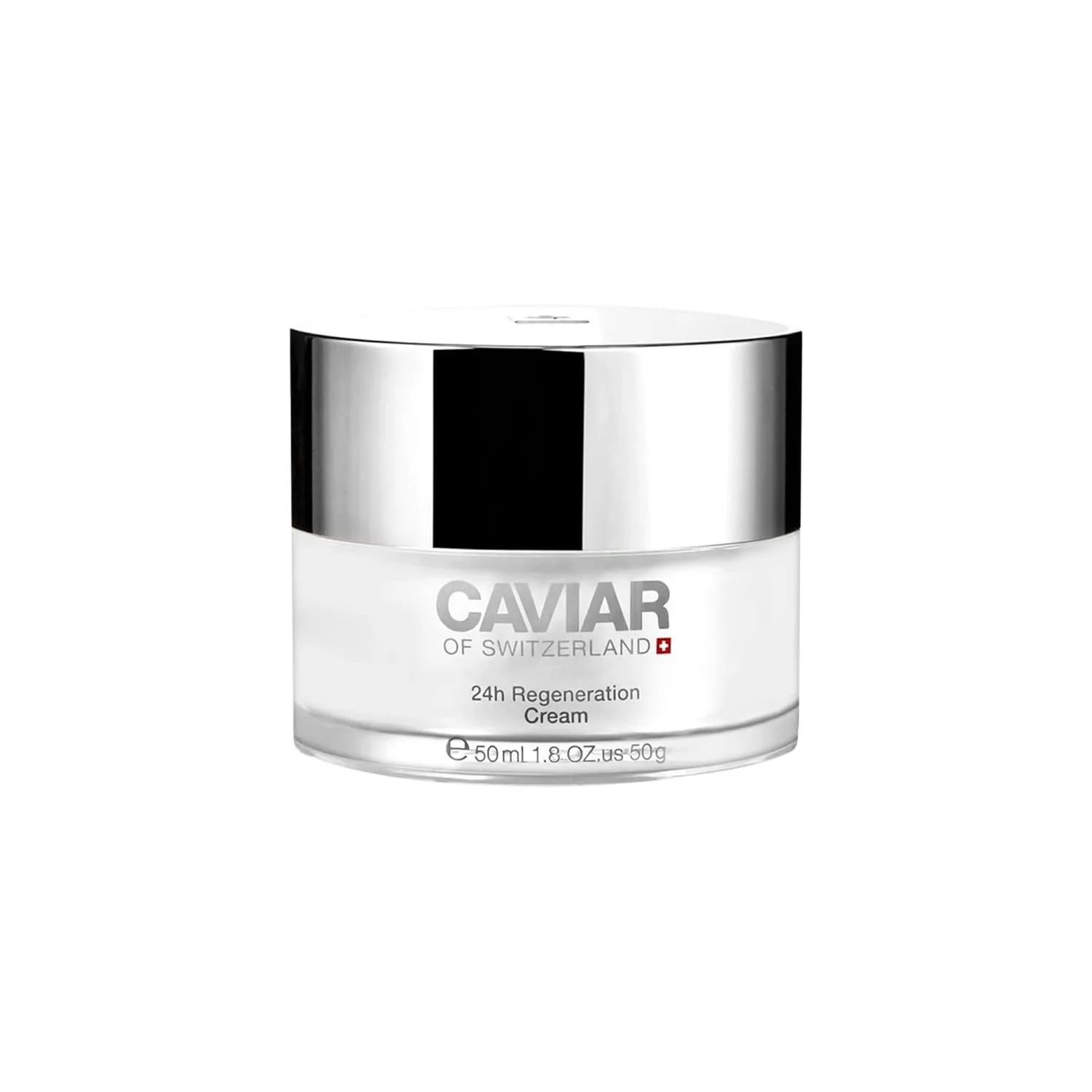
This is a treatment cream, not a light moisturizer. Caviar extract brings omega-3 fatty acids and micronutrients that feed the skin lipid barrier. Collagen peptides stimulate natural collagen production, creating a dual approach — feed the skin while signaling it to rebuild. Swiss Alpine botanical extracts add antioxidant protection tuned to harsh environmental conditions.
The texture is unapologetically dense. Oily or acne-prone skin types should avoid this entirely. Caviar extract is a luxury ingredient with limited independent studies comparing it to standard peptide creams — the omega fatty acid content is real, but the premium versus fish oil-based formulations is debatable. Brand recognition is lower than competitors at this price.
Pros: Caviar extract omega-3s, dual feed + signal approach, Swiss Alpine antioxidants.
Cons: Too dense for oily skin, limited independent caviar research, lower brand recognition.
Read Full Review | Check Price on Amazon
6. Augustinus Bader The Ultimate Soothing Cream — Best for Reactive Skin
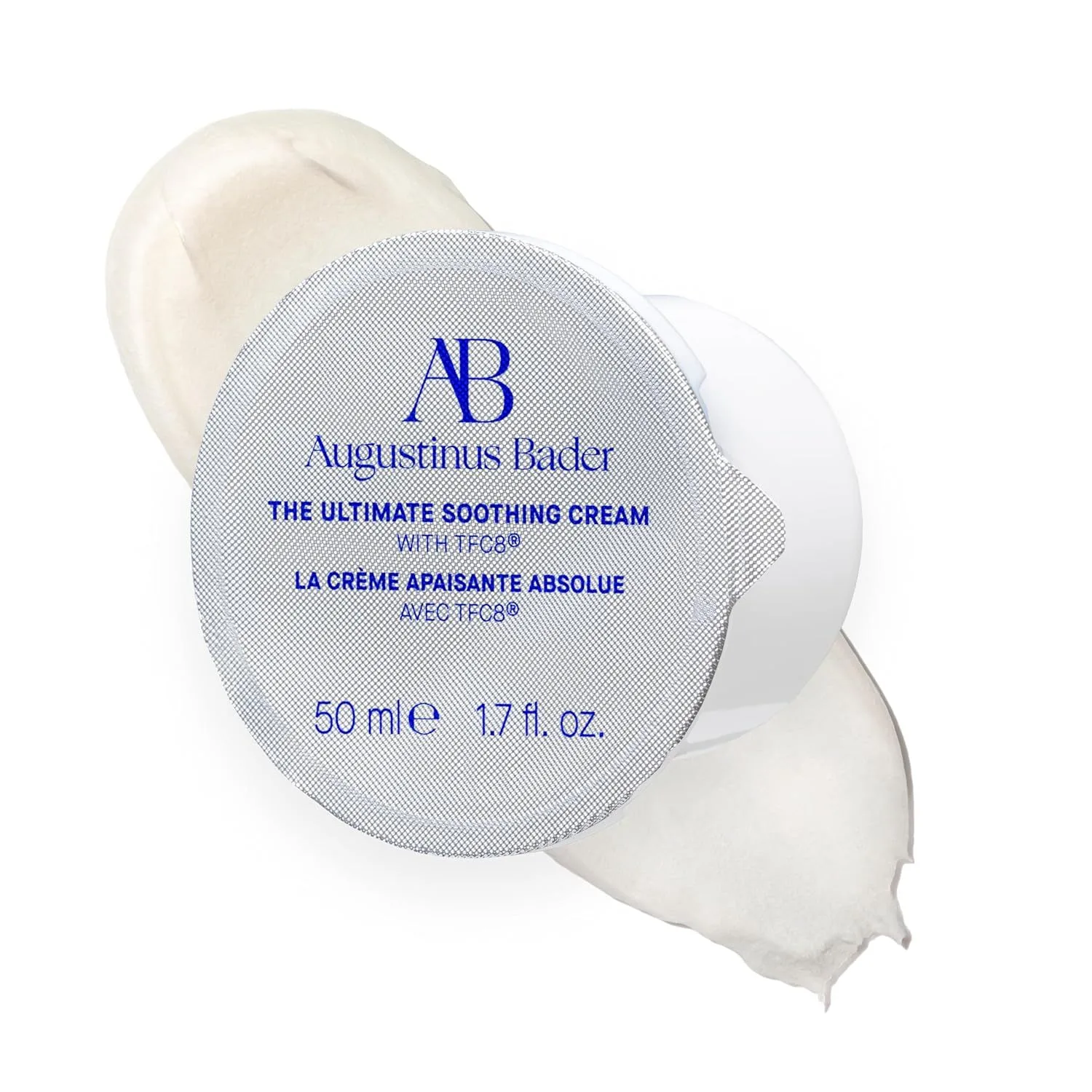
Built for skin that has given up on luxury moisturizers. The TFC8 technology targets cellular repair specifically at stressed areas — designed for skin that reacts to most products. Evening Primrose and Vitamins B3/B5 calm inflammation while restoring moisture — soothing and repairing simultaneously rather than choosing one or the other. The refillable jar system is an unusual sustainability commitment at this price tier.
At this price, the cream needs to outperform products costing 75% less — and the margin is often subtle rather than dramatic. TFC8 clinical data comes primarily from wound-healing contexts; the cosmetic anti-aging translation is extrapolated. Rich texture means this is an evening or dry-climate cream — too heavy for humid environments.
Pros: TFC8 for reactive skin, Evening Primrose calming, refillable jar sustainability.
Cons: Subtle margin vs mid-range, wound-healing data translation, too rich for humid climates.
Read Full Review | Check Price on Amazon
7. Augustinus Bader The Rich Cream — Best Award-Winning Prestige Cream
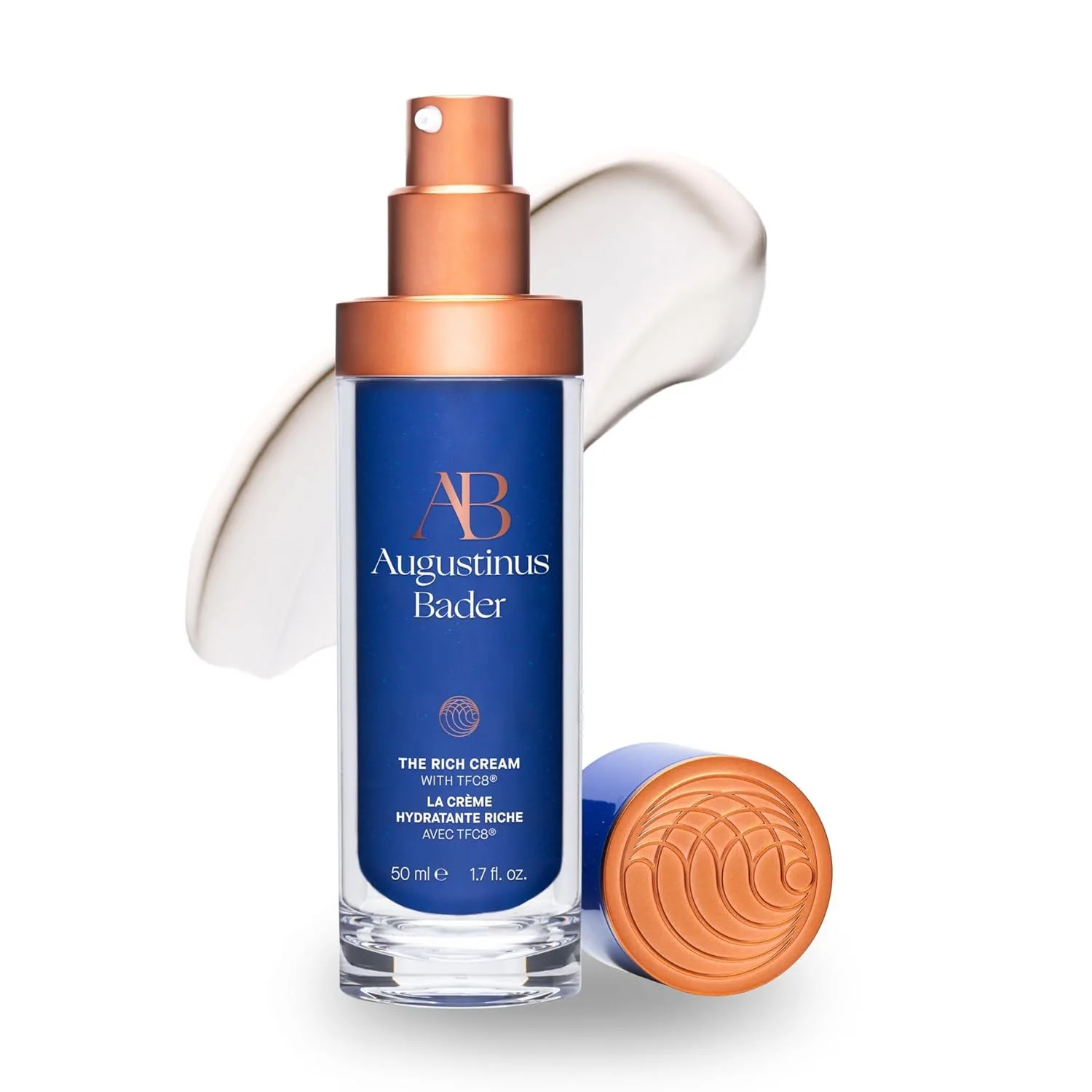
The product that built the Augustinus Bader brand. Over 120 beauty industry awards and a cult following among editors, dermatologists, and aestheticians. TFC8 technology from Professor Bader's 30 years of stem cell research delivers visible improvements in fine lines and skin texture consistently. The refillable jar system carries the same sustainability commitment as the Soothing Cream.
The price is the conversation. At high-end, this is deep in ultra-prestige territory. Jar packaging remains a hygiene concern despite the refillable design. The "it just works" mystique makes it hard to attribute results to specific ingredients versus the overall TFC8 system — which either builds trust or frustrates the analytically minded buyer.
Pros: 120+ industry awards, TFC8 stem cell research, visible fine line improvement.
Cons: Ultra-prestige pricing, jar hygiene concern, opaque ingredient attribution.
Read Full Review | Check Price on Amazon
The prestige tier of this roundup — Augustinus Bader Rich Cream, La Mer, and Cle de Peau La Creme — represents a fundamentally different buying decision than the accessible tier. At these price points, you are not simply purchasing hydration. You are investing in proprietary technology ecosystems (TFC8, Miracle Broth, BioRegen) that took decades and millions in research funding to develop. The legitimate question is whether that research translates to proportionally better skin outcomes. Our assessment: the results are real but the curve flattens sharply. The jump from a mid-range to an accessible luxury moisturizer produces more noticeable improvement than the jump from accessible luxury to ultra-prestige. What the prestige tier adds is refinement — in texture, in sensorial experience, and in the cumulative effect of long-term use measured in years rather than weeks.
8. La Mer Moisturizing Cream — Best Heritage Luxury Cream
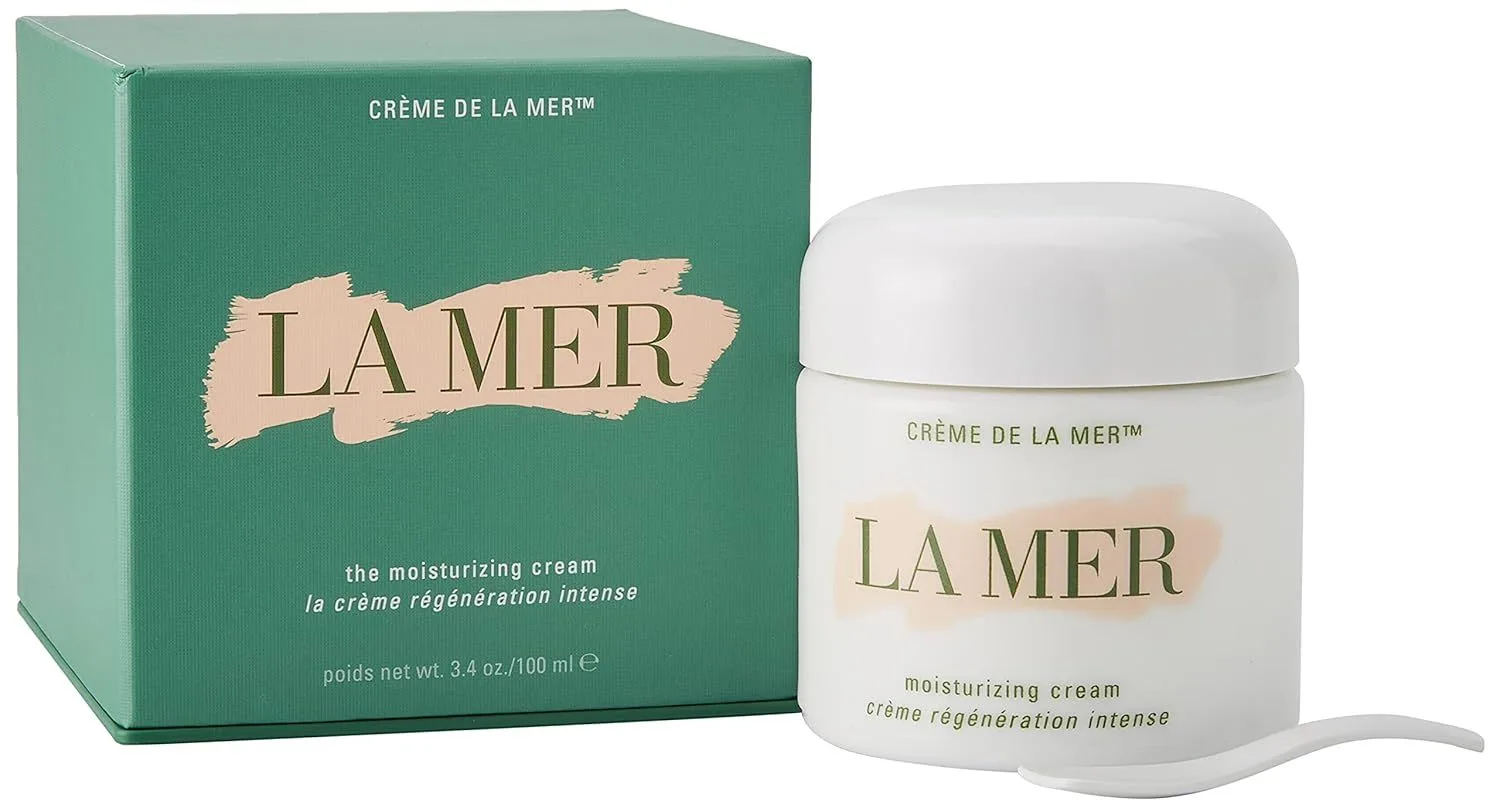
La Mer is the benchmark against which all luxury moisturizers are measured. The Miracle Broth — a bio-ferment of sea kelp, vitamins, and minerals developed by aerospace physicist Max Huber — is the most storied ingredient in skincare history. The dense, rich texture transforms when warmed between palms, and the pressing-into-skin application ritual is part of the experience. Decades of users report genuine improvements in radiance, hydration, and skin resilience.
The question is always proportionality. Creams at a fraction of the cost deliver 80-90% of the same hydration and radiance benefits. The formula contains mineral oil and petrolatum — effective occlusives, but ingredients the clean-beauty community avoids. At 100ml for high-end, the jar is generously sized compared to 50ml competitors, partially offsetting the sticker price.
Pros: Miracle Broth heritage, indulgent warming ritual, 100ml generous size.
Cons: Proportionality question vs mid-range, mineral oil/petrolatum, jar ritual inconvenience.
Read Full Review | Check Price on Amazon
9. Cle de Peau Beaute La Creme — Best Ultra-Luxury Night Cream
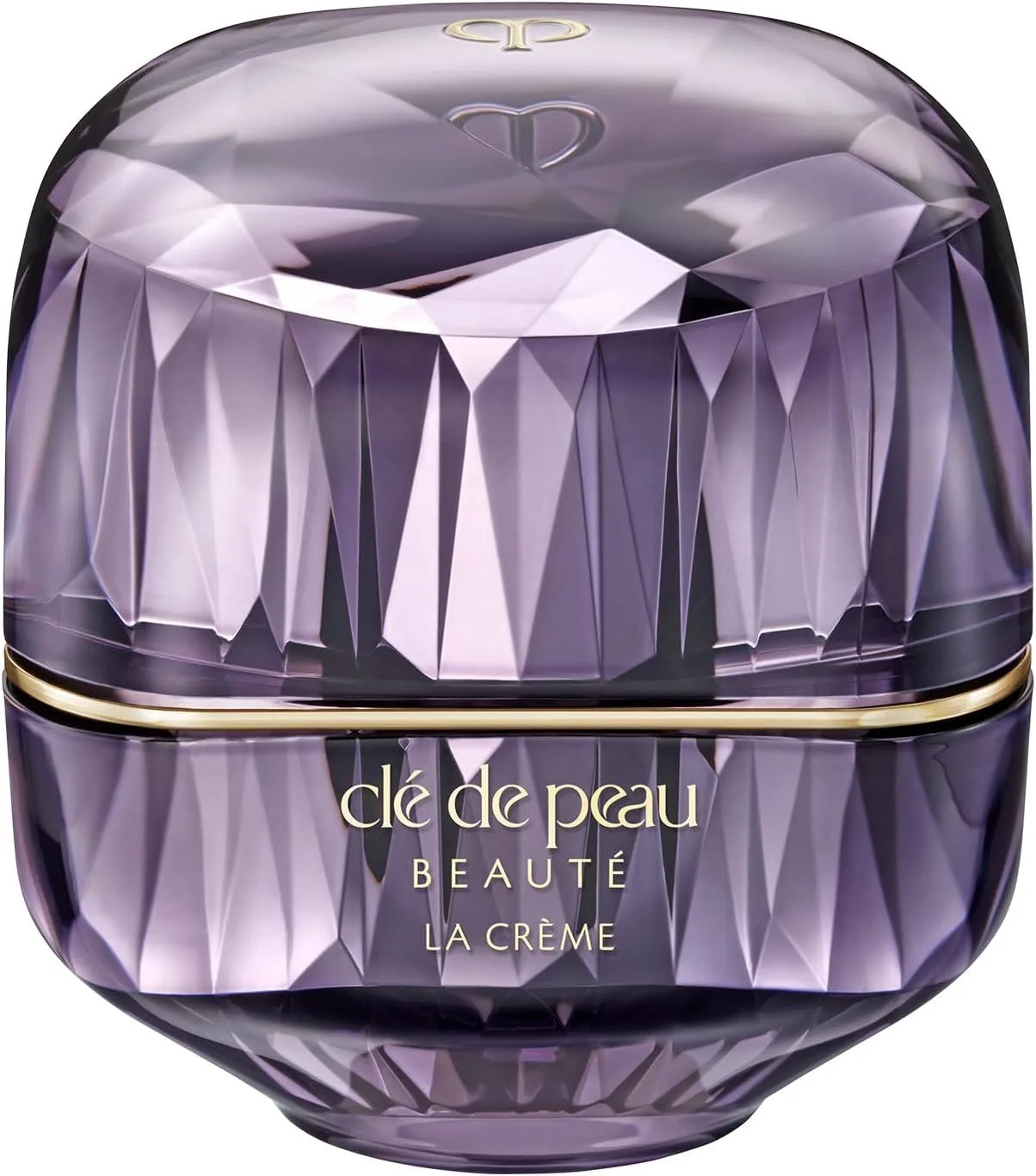
The pinnacle of luxury skincare in our catalog. BioRegen Technology targets the skin's renewal cycle specifically during sleep — aligned with the growing science of circadian skincare. Japanese Pearl Cherry Leaf extract and Platinum Golden Silk are not marketing props — they represent truly premium botanical sourcing. The sensorial experience is unmatched: texture, scent, absorption, and morning-after results all exceed expectations. This is the cream where the morning radiance is the best in our catalog.
At top-tier investment, this is a deeply personal purchase. Overnight-only use means the per-application cost is high, though the jar lasts proportionally longer since it is used once daily. Limited availability outside premium department stores and authorized retailers adds to the exclusivity — and inconvenience.
Pros: BioRegen circadian technology, rare Japanese botanicals, best morning-after radiance.
Cons: Highest price in catalog, overnight-only use, limited retail availability.
Read Full Review | Check Price on Amazon
Watch: Doctorly breaks down the Best Luxury Moisturizers (265K views)

How We Selected These Moisturizers
- Hydration performance: Clinical hydration claims (24-hour, 48-hour) were evaluated against user-reported experience. Moisturizers that delivered all-day hydration without reapplication scored highest.
- Ingredient technology: Proprietary complexes (TFC8, Miracle Broth, BioRegen) were assessed on published research, brand heritage, and user-reported results — not just marketing narratives.
- Skin type breadth: Moisturizers that work across multiple skin types ranked higher than those limited to a single type. Lightweight-to-rich texture range was factored in.
- Proportional value: At every price tier, we asked whether the results justify the investment. A affordably priced cream that delivers reliable hydration can score higher than a high-end cream whose premium is primarily experiential.
One factor that did not make our formal criteria but influenced our impressions: how each cream feels at the two-month mark versus week one. Some luxury moisturizers deliver a "wow" first impression — rich texture, beautiful scent, visible dewiness — that plateaus quickly. Others start modestly and build results over consistent use as their active ingredients accumulate in the skin. TFC8 and BioRegen fall into the slow-build category. Miracle Broth and Hadasei-3 deliver more immediate sensorial impact. Neither approach is better, but knowing which type you are buying prevents disappointment when a slow-build cream does not produce instant results, or when a sensorial cream stops improving after the initial glow.
Luxury Moisturizer Buying Guide
Match texture to skin type first. The most sophisticated ingredient technology is wasted if the cream is too heavy for your skin or too light for your needs. Gel-creams for oily skin. Medium-weight for combination. Rich creams for dry. Start with texture, then evaluate actives.
Day cream vs night cream matters. Daytime moisturizers should be lightweight, layer under SPF, and ideally include antioxidants. Night creams can be richer and include repair-focused actives. Using the same rich cream for both usually means your morning skin feels heavy under makeup.
Test before committing at luxury pricing. Most department stores offer samples of prestige and ultra-prestige moisturizers. Request a week's supply and use it as directed — morning and evening — before purchasing the full jar. Seven days is enough to evaluate texture compatibility, absorption speed, and any sensitivity reactions. It is not enough to judge anti-aging efficacy (that requires 8-12 weeks), but it eliminates the most common cause of luxury moisturizer dissatisfaction: a texture mismatch that a five-second tester application in-store cannot reveal. A cream that feels wonderful on the back of your hand may sit uncomfortably on your face under makeup for eight hours.
Budget expectations: Accessible luxury starts at $25–$50 with Kiehl's — reliable, well-formulated, no-frills hydration. Mid-luxury ($50–$100 to $100–$250) adds proprietary technologies, marine botanicals, and refined textures. Prestige ($250–$500 to $250–$500) delivers cellular technology and heritage formulations. Ultra-prestige ($500+) is for buyers who value the ritual and results equally. At every tier, the cream that matches your skin type and routine will outperform one that costs more but fits poorly.
Moisturizer Mistakes to Avoid
Choosing by brand instead of formula. A prestige brand's worst moisturizer can underperform a mid-range brand's best. Focus on what is inside the jar: what actives are included, at what concentration, and how the texture matches your skin type. Brand loyalty is only valuable when the specific product earns it — not every item in a luxury lineup performs at the same level.
Falling for "proprietary complex" marketing without asking what is in it. Nearly every luxury moisturizer features a branded ingredient system — Miracle Broth, TFC8, BioRegen, Hadasei-3. Some represent real formulation innovation backed by published research. Others are marketing names for standard ingredient combinations repackaged under a trademarked term. Ask two questions: does the brand disclose the key components of their proprietary complex, and is there any clinical data showing the complex outperforms its individual ingredients used separately? La Mer, Augustinus Bader, and ELEMIS all provide enough transparency to evaluate their claims. Brands that refuse to disclose any detail about their "exclusive complex" are asking for trust without evidence.
Skipping moisturizer because you have oily skin. Oily skin still needs hydration — dehydrated oily skin actually produces MORE oil to compensate for the moisture deficit. A lightweight gel-cream moisturizer (like ELEMIS Marine Cream or Tatcha Dewy Skin Cream) provides the hydration that reduces excess oil production without adding heaviness. The result is balanced skin that produces less shine, not more.
Using too much product. A pea-sized amount covers the full face for most moisturizers. More cream does not mean more hydration — it means slower absorption, a heavy feeling, and wasted product. Ultra-rich creams like La Mer are designed for small amounts, warmed between palms. Applying a thick layer defeats the formulation's intent and can cause congestion on combination skin.
Switching moisturizers too frequently. Active ingredients in luxury moisturizers — TFC8, peptides, ceramide complexes — need 4-8 weeks of consistent use to show measurable results. Switching creams every 2-3 weeks because you do not see instant transformation prevents any single product from delivering its full benefit. Pick one moisturizer, commit to it for a full cycle of skin turnover (roughly 28 days), and evaluate at the end. If you are unimpressed at week 6, then switch. But giving a cream two weeks is not a fair trial — it is barely enough time for the active ingredients to start working.
Ignoring the neck and decolletage. Your neck and chest skin ages faster than your face because it is thinner and receives less attention. Extend every moisturizer application below your jawline, down to the collarbone. The skin there is thinner and shows crepe-like texture and wrinkles earlier than facial skin. Treating it with the same cream costs almost nothing extra and prevents the visible disconnect between a well-maintained face and a neglected neck.
How Moisturizers Fit Into a Full Routine
Moisturizer is the final treatment step in both morning and evening routines. In the morning: cleanser → toner (optional) → treatment serum (Vitamin C, niacinamide) → moisturizer → sunscreen. At night: double cleanse → toner → treatment serum (retinol, peptides) → moisturizer. The moisturizer seals in everything applied before it and provides its own hydration and barrier-repair benefits.
A common mistake is layering too many products before the moisturizer, creating a stack that pills or does not absorb properly. Limit yourself to 2-3 products before moisturizer (cleanser, toner, one serum) and give each layer 30-60 seconds to absorb before adding the next. If your moisturizer balls up on application, the layer underneath has not absorbed — wait longer or simplify your routine.
For the nine moisturizers in this roundup, layering compatibility varies. Kiehl's Ultra Facial Cream and Vichy-like lightweight textures layer perfectly over any serum without interaction. Tatcha and ELEMIS absorb quickly enough that most serums work underneath them. The richer options — La Mer, Augustinus Bader, Caviar of Switzerland — are best applied as the absolute final step, with no additional layering on top except SPF in the morning. Applying a rich cream over an insufficiently absorbed serum creates a sliding layer that reduces the efficacy of both products. When in doubt, wait a full 60 seconds between your last serum and your moisturizer.
Seasonal Moisturizer Adjustments
Your moisturizer choice should shift with the seasons. Winter air — both outdoor cold and indoor heating — strips moisture from skin faster than any other season. This is when richer formulas (La Mer, Augustinus Bader Rich Cream, Caviar of Switzerland) earn their keep. The denser textures create a thicker occlusive barrier that prevents transepidermal water loss during the months when your skin's natural barrier is most compromised.
Summer calls for lighter formulas. Gel-creams and oil-free moisturizers prevent the heavy, congested feeling that rich creams cause in humid weather. Your skin produces more natural sebum during warm months, reducing the need for occlusive richness. ELEMIS Pro-Collagen Marine Cream or Kiehl's Ultra Facial Cream both work well in warmer months — light enough to layer under SPF without feeling like a mask. Some people use two moisturizers year-round: a lighter one for morning and a richer one at night, adjusting the ratio as seasons change.
Transition seasons catch most people off guard. The shift from summer to fall often triggers a two-week period where your usual lightweight moisturizer suddenly feels insufficient — skin gets tight by mid-afternoon, makeup clings to dry patches, and the skin around the nostrils starts flaking. Rather than switching abruptly to a heavy winter cream, layer your current lightweight moisturizer with a hydrating serum underneath for the first few weeks of fall. This graduated approach lets your skin adjust without the congestion breakouts that sudden switches to rich creams can trigger. By mid-autumn, you can move to the richer formula full-time. Reverse the process in spring — start by dropping to the lightweight moisturizer at night first, then switch your morning cream a week or two later once your skin has adapted.
Travel presents its own moisturizer challenges. Airplane cabins operate at 10-20% humidity, which is drier than most desert environments. A long-haul flight can undo a week of careful hydration. Apply a rich cream before boarding — La Mer or Augustinus Bader Rich Cream work well here — and skip makeup entirely during the flight. The occlusive layer protects your skin from the dehydrating cabin air for 4-6 hours. Upon landing, cleanse and return to your normal routine. For business travelers who fly weekly, keeping a separate rich moisturizer specifically for flight days prevents the chronic dehydration cycle that frequent flyers develop when they rely on their regular lightweight cream in extreme low-humidity conditions.
Frequently Asked Questions
What makes a moisturizer "luxury" versus drugstore?
Should I use different moisturizers for day and night?
Is La Mer really worth the price?
Can luxury moisturizers replace serums?
How do I choose a moisturizer for my skin type?
Does jar packaging affect moisturizer quality?
What is the best moisturizer with SPF?
Our Top Pick
For most people, Kiehl's Ultra Facial Cream delivers the best combination of reliable 24-hour hydration, all-skin-type compatibility, and honest value. It does one thing impeccably and lets your serums handle the treatment work. For SPF convenience, ELEMIS Pro-Collagen Marine Cream SPF 30 eliminates an entire step from your morning routine. For prestige buyers willing to invest in proprietary cellular technology, Augustinus Bader The Rich Cream has earned its 120+ awards through measurable results that accumulate over months of consistent use — the benefits become more apparent the longer you commit to it.
Check Price — Kiehl's Ultra Facial Cream
Compare Top Picks
Track These Picks
We'll let you know when our picks for this category change.
Only when something changes. Unsubscribe anytime.